
Lead
On Jan. 21, 2026, a jury in Texas found former school police officer Adrian Gonzales not guilty on 29 counts of abandoning or endangering children in connection with the May 24, 2022, Robb Elementary School shooting in Uvalde, where a gunman killed 21 people, including 19 children. Gonzales, 52, was the first officer to arrive at the scene and faced separate counts tied to the 19 children who died and 10 charges for surviving students. After roughly seven hours of deliberation concluding a three-week trial, jurors cleared him, a result that left many victims’ families visibly distraught. The verdict ends a criminal effort to hold an individual frontline officer criminally responsible for the delayed law-enforcement response that day.
Key Takeaways
- Jury verdict: Adrian Gonzales acquitted on all 29 counts of abandoning and endangering children after seven hours of deliberation on Jan. 21, 2026.
- Charges & victims: Charges corresponded to 19 children killed and 10 surviving students from the May 24, 2022 Robb Elementary attack in Uvalde, Texas.
- Trial length and timing: The criminal trial ran about three weeks; Gonzales — the first responding officer — was 52 at the time of trial.
- Prosecution case: Prosecutors argued Gonzales failed to act after a witness indicated the gunman’s location moments before classrooms were breached.
- Defense case: Defense attorneys told jurors Gonzales acted on the information available and that multiple officers who arrived seconds later also did not stop the shooter.
- Courtroom response: Some family members reacted with visible grief; Gonzales embraced his defense team and was emotional after the verdict.
- Accountability landscape: The acquittal narrows criminal accountability for individual officers but leaves open civil litigation and administrative reviews.
Background
The Robb Elementary School shooting on May 24, 2022, resulted in 21 fatalities, including 19 children, and prompted national outrage over law enforcement’s response time and tactical choices. Local, state and federal reviews followed, with independent investigations and congressional inquiries examining command decisions, radio communications and on-scene coordination. Families of victims and survivors pushed for criminal charges against officers they viewed as having abandoned students, while law-enforcement advocates emphasized the chaotic conditions officers faced that day.
In the months after the attack, authorities announced multiple administrative and criminal reviews of responding personnel. The case against Adrian Gonzales was among the first high-profile state criminal prosecutions to emerge from those reviews, framed by prosecutors as an accountability test for front-line conduct. Defense teams countered that liability for a mass-shooter response depends on shifting facts, real-time uncertainty, and collective action by multiple officers on scene.
Main Event
Prosecutors presented evidence during the three-week trial asserting Gonzales had information that could have led him to confront the shooter before the attacker entered two connected classrooms. Witnesses and court filings described exchanges and timing that prosecutors said pointed to missed opportunities to stop the rampage. The indictment charged Gonzales with 29 counts: one count of abandoning or endangering per child victim and additional counts for surviving students.
Gonzales’s defense emphasized confusion and fragmentary information at the moment of arrival. Lawyers showed testimony and other evidence indicating at least three other officers reached the same area within seconds and that none immediately engaged the shooter. Defense witnesses testified that Gonzales entered the building minutes after arriving but retreated after gunfire began and coordinated with other officers on scene.
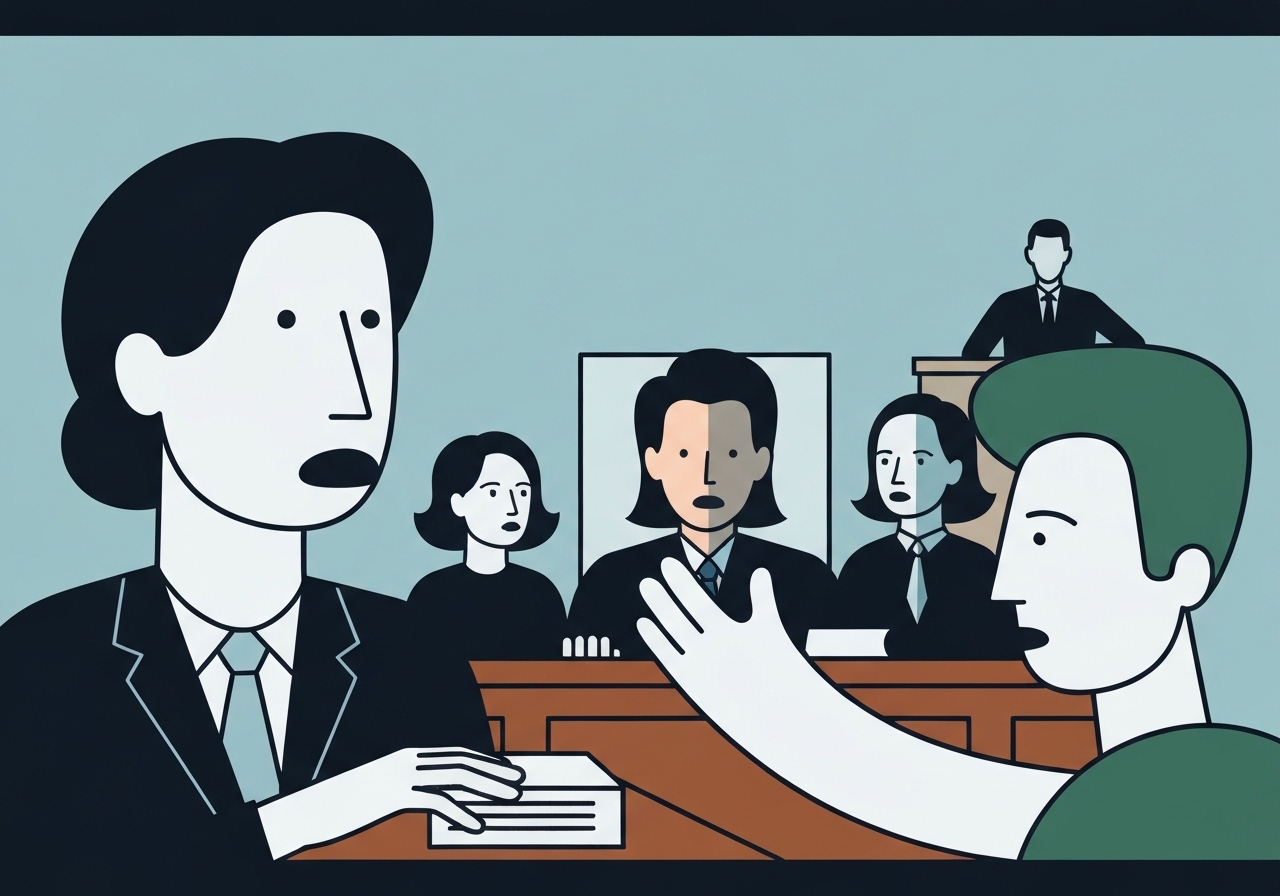
After closing arguments, jurors deliberated for about seven hours before returning the not-guilty verdict on all counts. Some family members in the courtroom reacted with tears and visible disappointment when the verdict was announced; Gonzales embraced members of his legal team and wiped his face. The outcome reflects the jury’s determination that prosecutors had not met the standard of proof required for criminal conviction.
Analysis & Implications
Legally, the verdict underscores the high threshold prosecutors face when proving criminal culpability for tactical decisions made in chaotic, rapidly evolving emergencies. Criminal statutes for abandoning or endangering a child in Texas require proof that an officer willfully acted or failed to act in a manner constituting a criminal breach of duty; juries must also find those actions proximate to the harm. Prosecutors in this case sought to show willful abandonment; jurors were not persuaded beyond a reasonable doubt.
For families and advocates seeking systemic reform, the acquittal shifts focus from individual criminal liability toward civil litigation, administrative discipline and policy change. Civil lawsuits carry a lower proof standard and can compel discovery into internal communications, training records and command structures. Separately, administrative reviews can lead to decertification or employment consequences even where criminal conviction is unattainable.
Public trust in policing and emergency response may be further strained by the verdict. Critics argue that criminal cases are necessary to deter misconduct and enforce accountability, while defenders warn that criminalization of split-second tactical decisions could deter decisive action or unfairly punish officers operating under uncertainty. Policymakers may feel renewed pressure to tighten school-protection protocols, invest in training for active-shooter responses, or clarify command-and-control roles during incidents.
Comparison & Data
| Metric | Value |
|---|---|
| Charges | 29 counts (19 for deceased children, 10 for survivors) |
| Fatalities | 21 people, including 19 children |
| Trial duration | About three weeks |
| Jury deliberation | ~7 hours |
| Officer age | 52 |
The table distills core factual measures from the criminal case. These figures place the trial in context: a relatively brief jury process compared with lengthy investigations and prolonged public scrutiny. While criminal charges were specific to one officer, broader reviews have examined dozens of operational decisions by multiple law-enforcement agencies involved that day.
Reactions & Quotes
Officials and family advocates gave swift public responses, reflecting divergent interpretations of accountability and process.
“The jury has reached a legal conclusion, but for many families the questions about what happened on May 24 remain unresolved.”
Family advocate (statement)
This reflection, delivered by a spokesperson for victims’ families, conveyed the emotional toll of the verdict and reiterated calls for fuller transparency and continued investigation into systemic failures.
“We presented evidence showing missed opportunities to protect children that day.”
Prosecutor (court statement)
Prosecutors framed their case as an attempt to hold an individual accountable for critical lapses. Their post-verdict remarks emphasized the burden of proof in criminal court and signaled that other avenues of accountability might persist.
“Officer actions must be judged in the moment with the information they had; this jury concluded those facts did not support criminal guilt.”
Defense counsel (court statement)
Defense lawyers argued the verdict vindicated a narrative of confusion and collective inaction rather than deliberate abandonment by a single officer.
Unconfirmed
- Precise arrival sequencing down to exact seconds for all officers on scene remains contested in different accounts and not definitively resolved in open court records.
- Whether alternative tactical choices by specific officers would have prevented the attacker from entering classrooms is a counterfactual and remains unproven.
- Any ongoing internal reviews or civil suits may yield additional facts that could alter the public record; those outcomes are pending.
Bottom Line
The jury’s not-guilty verdict for Adrian Gonzales closes one criminal path toward accountability for the Uvalde response while leaving broader questions unanswered. The result highlights the difficulty of translating disputed operational decisions into criminal convictions when events unfold under extreme stress and incomplete information.
Families and advocates are likely to pursue civil litigation, administrative remedies and policy reforms to seek greater transparency and systemic change. Policymakers and law-enforcement agencies face renewed pressure to clarify protocols, improve interagency coordination and ensure schools and first responders are better prepared to prevent or respond to future mass-casualty events.