
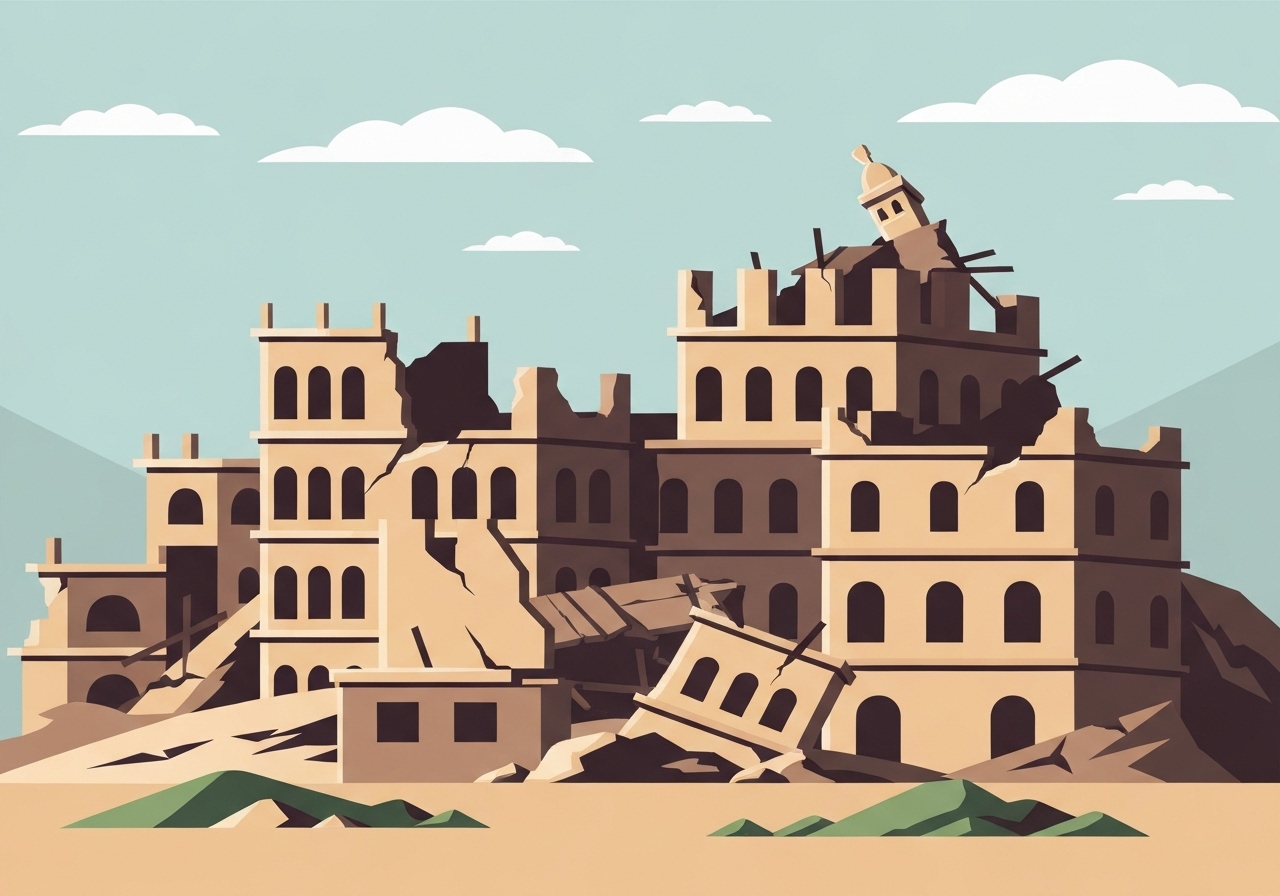
Rescue teams and aid agencies say a shallow magnitude-6.0 earthquake that struck late on Sunday has killed 2,205 people in eastern Afghanistan, with most casualties in Kunar province where mountain villages were levelled and survivors are now facing shortages of shelter, medicine and food.
Key takeaways
- Taliban authorities reported the death toll at 2,205 on Thursday; search-and-rescue operations continue.
- The magnitude-6.0 quake hit remote, mountainous districts and triggered multiple landslides.
- Islamic Relief assessed that about 98% of buildings in Kunar were damaged or destroyed.
- Helicopters and airdropped teams have been used where roads are blocked but access remains limited.
- Humanitarian capacity is reduced: the Norwegian Refugee Council has fewer than 450 staff in Afghanistan vs 1,100 in 2023.
- The NRC reports a $1.9m immediate funding gap and just $100,000 available for emergency purchases.
- Medical camps in Nurgal are stretched; doctors report shortages of medicines, tents and clean water.
Verified facts
The Taliban spokesperson Hamdullah Fitrat said the updated death toll stands at 2,205 and that search-and-rescue teams continue to work in affected districts. Most fatalities were recorded in Kunar province, where villagers live in wood and mud-brick houses along steep river valleys.
According to an assessment published by the charity Islamic Relief, roughly 98% of buildings in Kunar were damaged or destroyed. The quake’s shallow depth and the steep terrain amplified collapse and caused landslides that buried homes in some areas.
Aid groups report major access problems. Taliban authorities have deployed helicopters and airdropped army commandos to reach isolated hamlets, while humanitarian staff are often forced to walk for hours to reach cut-off villages because of rockfall and collapsed roads.
The Norwegian Refugee Council said its Afghanistan workforce has fallen to under 450 staff, compared with about 1,100 in 2023. The group also said it has only one warehouse left in the country, no pre-positioned emergency stocks and only $100,000 on hand — leaving an immediate funding shortfall of about $1.9m for urgent relief purchases.
Medical personnel at a UN field clinic in Nurgal described overwhelmed services and dwindling supplies. Dr Shamshair Khan said the wounded and displaced need more medicine, shelter, food and clean drinking water to prevent further suffering.
Context & impact
Afghanistan was already facing prolonged drought, a weak economy and the recent return of roughly 2 million Afghans from neighbouring countries, factors that reduce household resilience and complicate emergency response.
Damage to homes and infrastructure in remote valleys raises the risk of secondary humanitarian problems, including exposure, food insecurity and communicable disease, especially if aid delivery is delayed by terrain or funding shortfalls.
Immediate priorities identified by responders include search and rescue, emergency shelter, water and sanitation, trauma care and rapid delivery of food and winter-ready shelter where needed.
Official statements
“Tents have been set up for people, and the delivery of first aid and emergency supplies is ongoing,”
Hamdullah Fitrat, Taliban spokesperson
Unconfirmed
- The death toll may change as recovery teams reach more remote villages—official figures remain provisional and attributed to local authorities.
- Precise counts of displaced households and the full scale of infrastructure damage across all affected districts are still being compiled by humanitarian agencies.
Bottom line
The 6.0 quake has caused catastrophic damage in Kunar, with more than 2,200 dead and most buildings ruined in hard-to-reach valleys. Relief operations face both logistical barriers and a pressing funding gap; rapid international support and secure supply lines are needed to prevent further loss of life.