
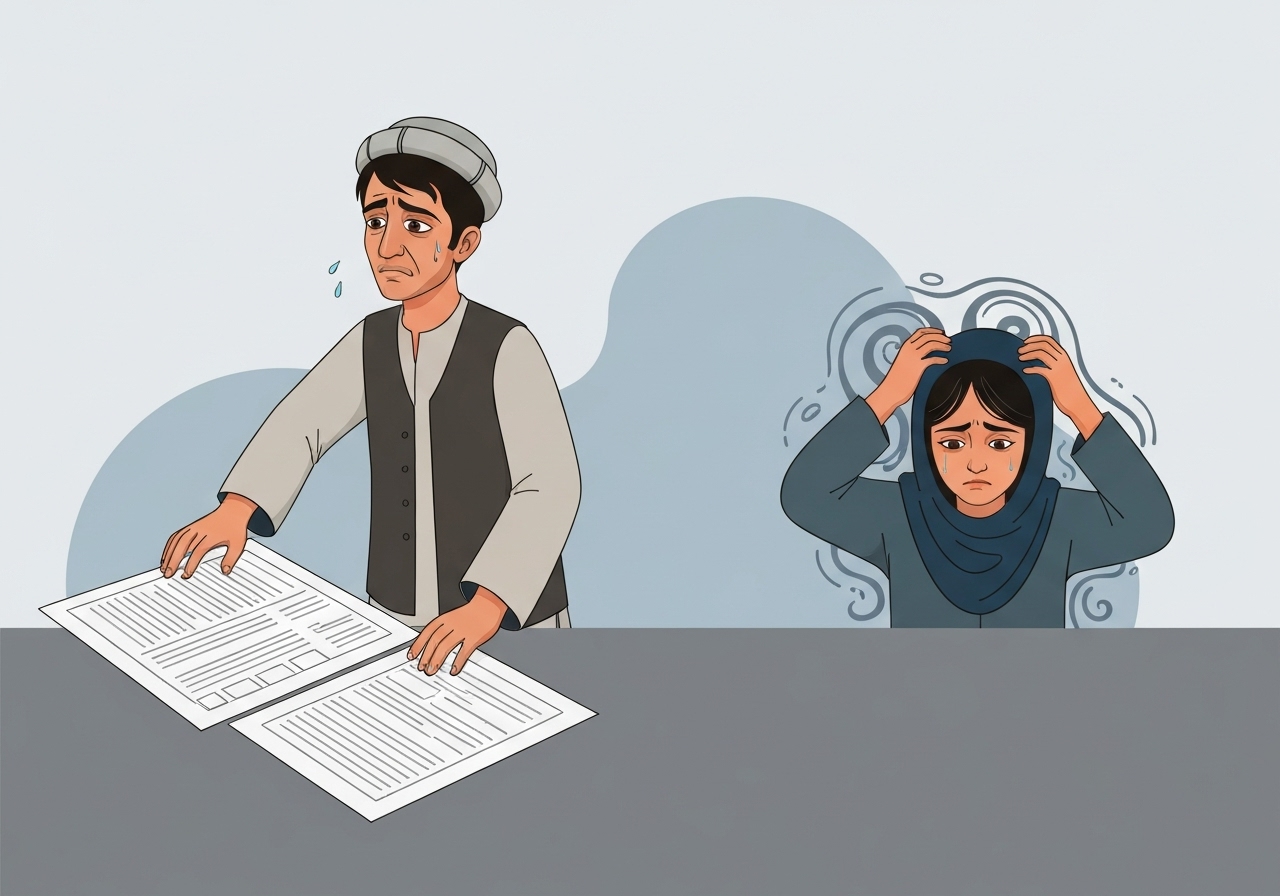
Since their 2021 evacuation from Kabul, Afghan fighters who served in CIA-run “Zero Units” have confronted prolonged immigration delays, feelings of abandonment and rising mental-health crises in the United States — conditions that advocates and some former operatives say helped fuel despair across the community. One former Zero Unit member, Rahmanullah Lakanwal, was charged after a Nov. 26, 2025, shooting in Washington, D.C., that left one National Guardsman dead and another seriously wounded; his case has intensified scrutiny of vetting, resettlement and support for Afghan partners. Former CIA officer Geeta Bakshi and an anonymous ex-combat translator known as Davud described years of frontline service, evacuation in August 2021, then years of bureaucratic struggle in the U.S. that, they say, coincided with an increase in self-harm among former fighters. U.S. officials and intelligence leaders have offered competing accounts of vetting and responsibility, while resettlement groups call for faster immigration processing and targeted mental-health services.
Key Takeaways
- On Nov. 26, 2025, Afghan national Rahmanullah Lakanwal was charged in a Washington, D.C., shooting that prosecutors say killed one National Guard soldier and seriously wounded another.
- Thousands of Afghan fighters served in CIA-affiliated “Zero Units” during the 20-year war; many were evacuated during the August 2021 Kabul withdrawal.
- Advocates and former operatives report at least four confirmed deaths by self-harm among Zero Unit veterans since 2023, and widespread reports of prolonged asylum or residency delays.
- Lakanwal received asylum protection in April 2025 after nearly four years in the U.S., according to reporting and refugee volunteers who worked with his family.
- Former CIA agent Geeta Bakshi and activist networks say bureaucratic errors — including misspelled names and missing case records — contributed to severe distress for some evacuees.
- CIA director John Ratcliffe and FBI director Kash Patel publicly criticized vetting; they said some individuals “should not have been allowed” into the U.S., statements disputed by former Zero Unit members who describe extensive prior vetting.
- In response to the shooting, the administration announced a freeze and reexamination of Afghan asylum cases; advocates warn this could worsen mental-health outcomes and delay legal stabilization.
Background
Zero Units were small, often locally recruited teams that operated with CIA direction during the Afghanistan war. Members carried out high-risk night raids and urban combat — actions described by former operatives as frequent, intense and sometimes lethal. Human Rights Watch and other groups previously accused some of these units of brutality, citing allegations of torture and unlawful killings during the conflict; those accusations complicate public perceptions and legal claims tied to membership.
After the Taliban takeover in August 2021, thousands connected to U.S. intelligence and military operations were evacuated to the United States. Many arrived with promises — implicit or explicit — of help navigating U.S. immigration pathways. Resettlement advocates now say those promises were not always fulfilled in practice: complex paperwork, long processing times and administrative errors left many former fighters in legal limbo for years. The combination of trauma from combat, family safety concerns in Afghanistan and unstable immigration status is a recurrent theme in interviews with veterans and aid workers.
Main Event
The Nov. 26, 2025, attack in Washington, D.C., brought national attention to one former Zero Unit member, Rahmanullah Lakanwal, whose case became central to debates over vetting and resettlement policy. Authorities charged Lakanwal with first-degree murder and related counts; he has pleaded not guilty. Local volunteers who assisted the Lakanwal family described a person grappling with isolation and unemployment, and who had received asylum only in April 2025 after nearly four years in the U.S.
Community members and resettlement groups say the violence exposed deeper wounds in the Afghan ex-combatant population. Davud, an anonymized former translator who worked with Zero Unit teams for more than a decade, told advocates that many members felt betrayed after evacuation when promised institutional support did not materialize. Geeta Bakshi, a former CIA officer who now leads a refugee resettlement effort, said her organization tracked increasing rates of self-harm beginning in 2023 and raised the issue with federal officials.
The shooting also prompted immediate political responses: national security officials questioned vetting and resettlement procedures, and the current administration announced a pause and review of Afghan asylum processing. Resettlement groups warn that such pauses could further delay legal status for thousands, while proponents of stricter review argue national security concerns justify tighter controls. The case is moving through the criminal justice system even as it fuels a policy back-and-forth between federal agencies, advocacy groups and political leaders.
Analysis & Implications
The situation highlights a clash between two policy priorities: safeguarding national security through rigorous screening and meeting moral obligations to partners who faced danger alongside U.S. personnel. Former operatives interviewed for this report emphasize that many Zero Unit members underwent prolonged vetting in Afghanistan and the U.S., including interviews and polygraph-like scrutiny; advocates say that vetting does not negate the need for robust post-arrival support to manage trauma and integration barriers.
Delays in asylum and residency adjudication carry immediate economic and psychological consequences. Without stable legal status, many evacuees face restricted work options, housing instability and constrained access to mental-health care — all risk factors for worsening trauma-related disorders. Resettlement organizations argue that timely legal status, targeted counseling and employment assistance reduce the likelihood of crises and promote community stability.
Politically, the incident has already altered policy signals. The administration’s decision to freeze Afghan asylum cases will likely create backlog effects and could impede reunification efforts for family members still in Afghanistan. Internationally, the episode may affect U.S. relationships with partners reliant on local forces, as it raises questions about long-term commitments to collaborators in conflict zones.
Comparison & Data
| Metric | Figure | Context / Source |
|---|---|---|
| Evacuation timeframe | August 2021 | U.S. airlifts from Hamid Karzai International Airport during Taliban takeover (U.S. military reporting) |
| Asylum approval for Lakanwal | April 2025 | Reported by refugee volunteers and court filings |
| Confirmed Zero Unit self-harm deaths (community reports) | 4 | Reported by former operatives and resettlement groups, beginning 2023 |
| Typical operational tempo (reported) | 2–3 combat missions per night | Interviews with former Zero Unit members |
These figures combine public reporting and accounts from former operatives and resettlement advocates. Exact totals for evacuated personnel, adjudication times and mental-health incidents vary by agency and region; advocates emphasize that official counts may lag behind community-documented cases.
Reactions & Quotes
Officials and community members have offered sharply different interpretations of responsibility and need. Below are representative statements and their contexts.
“These guys were the tip of the spear. They were out on the front, so that American personnel didn’t have to be.”
Geeta Bakshi, former CIA officer and resettlement program leader
Bakshi used this framing to explain why her organization prioritized Zero Unit veterans for accelerated resettlement help and targeted mental-health outreach; she also said her group flagged rising self-harm rates to federal officials beginning in 2023.
“I was really shocked by the CIA director’s comment. I felt so betrayed.”
Davud, former Zero Unit translator (identified by first name only)
Davud said he and many comrades underwent extensive vetting while serving with U.S. agencies and resented public statements suggesting wholesale vetting failures; his remarks reflect deep personal frustration at perceived institutional abandonment.
“This individual — and so many others — should have never been allowed to come here.”
John Ratcliffe, CIA director (public statement)
Ratcliffe’s assertion that some evacuees were inadequately screened has been echoed by other security officials and has driven the administration’s decision to pause asylum processing for Afghans; advocates say those claims require substantiation and urge caution in policy responses that broadly affect vulnerable people.
Unconfirmed
- Claims that Lakanwal was “radicalized” in the U.S. have been stated by some officials but, as of reporting, no public evidence has been shown to substantiate that assertion.
- The precise total number of Zero Unit members evacuated to the U.S. and the exact count of related mental-health fatalities remain uncertain; community reports cite four confirmed self-harm deaths but comprehensive official tallies are not publicly available.
- Direct causation linking asylum processing delays alone to the Nov. 26 shooting is unproven; interviews and timelines suggest distress and instability but do not establish a singular causal pathway.
Bottom Line
The Lakanwal case has become a focal point for competing narratives about security, accountability and care for wartime partners. On one side, national-security officials point to vetting failures and demand stricter immigration controls; on the other, former operatives and resettlement groups point to documented trauma, administrative errors and long adjudication delays that they say require corrective services rather than broad retrenchment.
Policymakers face a narrow path: tighten screening where needed without aband0ning obligations to those who risked their lives alongside U.S. personnel. Practical reforms that advocates recommend include expedited adjudication for verified partners, careful correction of administrative errors (for example name misspellings), and funded mental-health and employment programs targeted at evacuee communities. How the government balances security reviews with resettlement support in the coming months will likely determine whether further crises are averted or whether tensions in these communities escalate.