
Lead
On Sunday in Brentwood, Tennessee, police say actor Alan Ritchson acted in self-defense during a physical confrontation with a neighbor that was captured on video. Authorities reviewed the footage and witness statements and concluded Ritchson did not commit a crime; the District Attorney’s Office agreed and the case was closed. The incident began after a dispute over Ritchson riding a motorbike through the neighborhood with family aboard, and a separate video recorded from a phone shows part of the encounter. Police noted they had considered a reckless endangerment referral but that Ritchson declined to pursue charges against the neighbor.
Key Takeaways
- Brentwood Police investigated a Sunday altercation involving actor Alan Ritchson after video of the incident surfaced; investigators used video and witness accounts in their review.
- Video circulated on social media appears to show Ritchson striking a man later identified as neighbor Ronnie Taylor while the man was on the ground; the recording does not capture what preceded the confrontation.
- TMZ first posted the footage; a separate point-of-view clip apparently from Ritchson’s chest camera was also shared to social platforms and authenticated by police.
- Authorities said a reckless endangerment charge was considered during the probe but that, with the District Attorney’s agreement, the case was closed and no criminal charges were filed.
- Ritchson, star of Amazon’s Reacher, did not have representatives respond to a request for comment to news outlets at the time of reporting.
- Neighbor Ronnie Taylor told TMZ he confronted Ritchson over high-speed, loud motorbike riding with Ritchson’s children aboard, and said he intended to “take a stand.”
Background
Alan Ritchson is the lead actor in Amazon’s Reacher series, portraying Jack Reacher, a former military policeman turned vigilante investigator based on Lee Child’s novels. The actor’s public profile has risen with the show’s popularity, increasing media attention on his off-screen behavior. Neighborhood disputes over motorbikes and noisy recreational riding are a common civic complaint in suburban communities and can escalate quickly when people feel endangered or provoked.
Brentwood police described their probe as driven by video evidence and witness statements; law-enforcement reviews now routinely incorporate social-media content as part of evidence collection. Local prosecutors were consulted during the inquiry, and officials say they evaluated potential charges including reckless endangerment before deciding with the District Attorney’s office not to pursue criminal prosecution. The legal threshold for criminal charges often depends on who initiated force and whether the use of force was reasonable under the circumstances.
Main Event
The sequence released publicly begins with footage that appears to be taken from a camera mounted on Ritchson’s person while he was riding a motorbike. The clip shows a man, identified by reporting as Ronnie Taylor, step in front of the bike, forcing the rider to stop; background audio in the edited post is partially obscured by added music. A separate video shows a verbal exchange in which Ritchson tells the man he felt threatened and the neighbor criticizes his riding behavior, at one point using profanity to describe it.
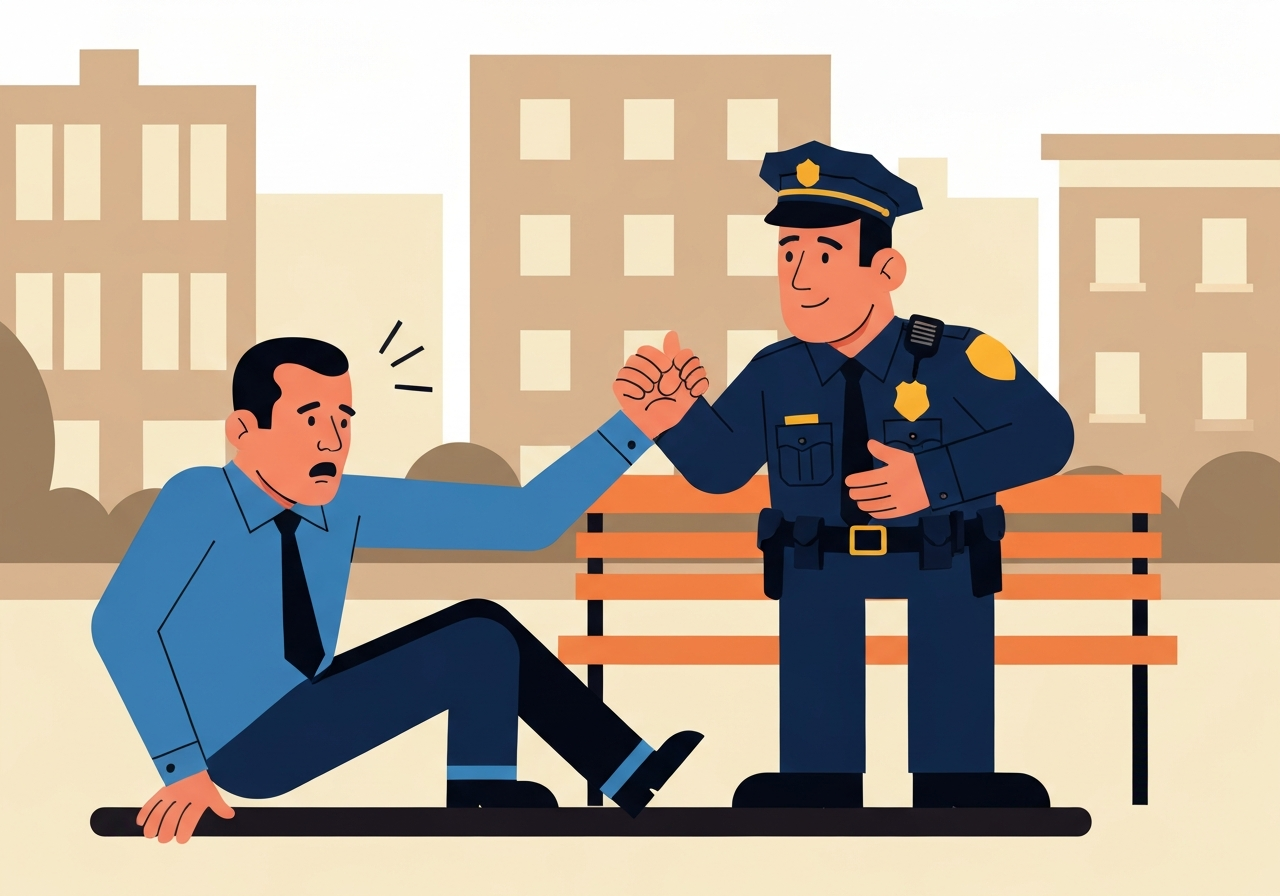
After a brief back-and-forth, the two men make physical contact and both fall. The available video then shows the neighbor on the ground and Ritchson standing over him; Ritchson pushes the man down and appears to strike him when the neighbor attempts to rise. Ritchson subsequently mounts his bike and departs. The footage does not include what, if anything, transpired before the camera began recording, and angles leave some motion ambiguous.
Brentwood police confirmed the videos’ authenticity and said investigators also interviewed witnesses in neighborhood homes. While officers considered a reckless endangerment referral, they reported that Ritchson acted in self-defense based on the totality of video and witness accounts. Police further stated that the District Attorney’s Office concurred and the matter was closed with no further action.
Analysis & Implications
The case highlights how quickly neighborhood disputes can escalate into high-profile incidents when participants are public figures and evidence is shared online. For celebrities, such encounters generate amplified scrutiny that can affect reputation and career momentum even in the absence of criminal charges. Platforms like TikTok and other social networks often shape initial public impressions because short clips can be edited or lack full context.
Legally, the outcome turned on the available recorded evidence and witness statements. Criminal self-defense claims generally require that a person reasonably believes force is necessary to prevent imminent harm and that the response is proportionate. Prosecutors determined the threshold for criminal prosecution was not met here, though civil liability remains a separate possibility if the neighbor chooses to pursue a claim.
The police consideration of reckless endangerment indicates authorities evaluated whether the motorbike riding itself posed an undue risk to bystanders, not solely whether the physical altercation constituted a crime. That potential referral, even if not prosecuted, signals that conduct surrounding the confrontation—such as riding behavior with passengers—may attract administrative or civil scrutiny in similar disputes.
Comparison & Data
| Element | This Case |
|---|---|
| Primary evidence | Social-media videos + witness statements |
| Criminal outcome | No charges; case closed with DA agreement |
| Potential referral | Reckless endangerment considered but not filed |
The snapshot above isolates the concrete items law enforcement cited when resolving this inquiry: recorded video, corroborating witness accounts, and consultation with the District Attorney’s Office. Those three elements frequently determine whether incidents move from investigation to prosecution in similar local-police matters.
Reactions & Quotes
Neighbors and officials provided differing immediate responses that fed public discussion about the incident and its context.
“I don’t wish the guy any malice or ill will, but we just don’t need people riding through neighborhoods like this,”
Ronnie Taylor, neighbor (to TMZ)
Taylor framed his actions as a safety-motivated intervention regarding loud, fast riding through the residential area.
“With the agreement of the District Attorney’s Office, the case is now closed, and no further action will be taken,”
Brentwood Police spokesperson (official statement)
Police emphasized that their decision followed review of video evidence and witness statements and consultation with prosecutors.
“By the way, your assaulting me is all on camera,”
Unidentified speaker in video (audio clip)
The remark captured on video illustrates how both parties were aware of recording and that social-media documentation played a central role in the subsequent investigation.
Unconfirmed
- The video does not show what occurred immediately before recording began; who initiated the confrontation prior to the recording remains unverified.
- It is unclear from available angles whether Ritchson drove his bike toward Taylor before contact or whether Taylor stepped in front of the bike.
- No public statement from Ritchson or his representatives confirming his account was available at the time of reporting.
Bottom Line
Police concluded that Alan Ritchson acted in self-defense during a Sunday altercation in Brentwood after reviewing social-media footage and witness statements; prosecutors agreed and the case was closed without criminal charges. The episode underscores how rapidly neighborhood safety disputes can escalate, especially when captured on camera and amplified by entertainment reporting.
Key follow-ups to watch include any civil litigation by the neighbor, official releases from Ritchson or his representatives, and whether local authorities pursue administrative responses to the riding behavior itself. For public figures, even legally resolved incidents can carry reputational consequences given how quickly edited clips circulate online.