
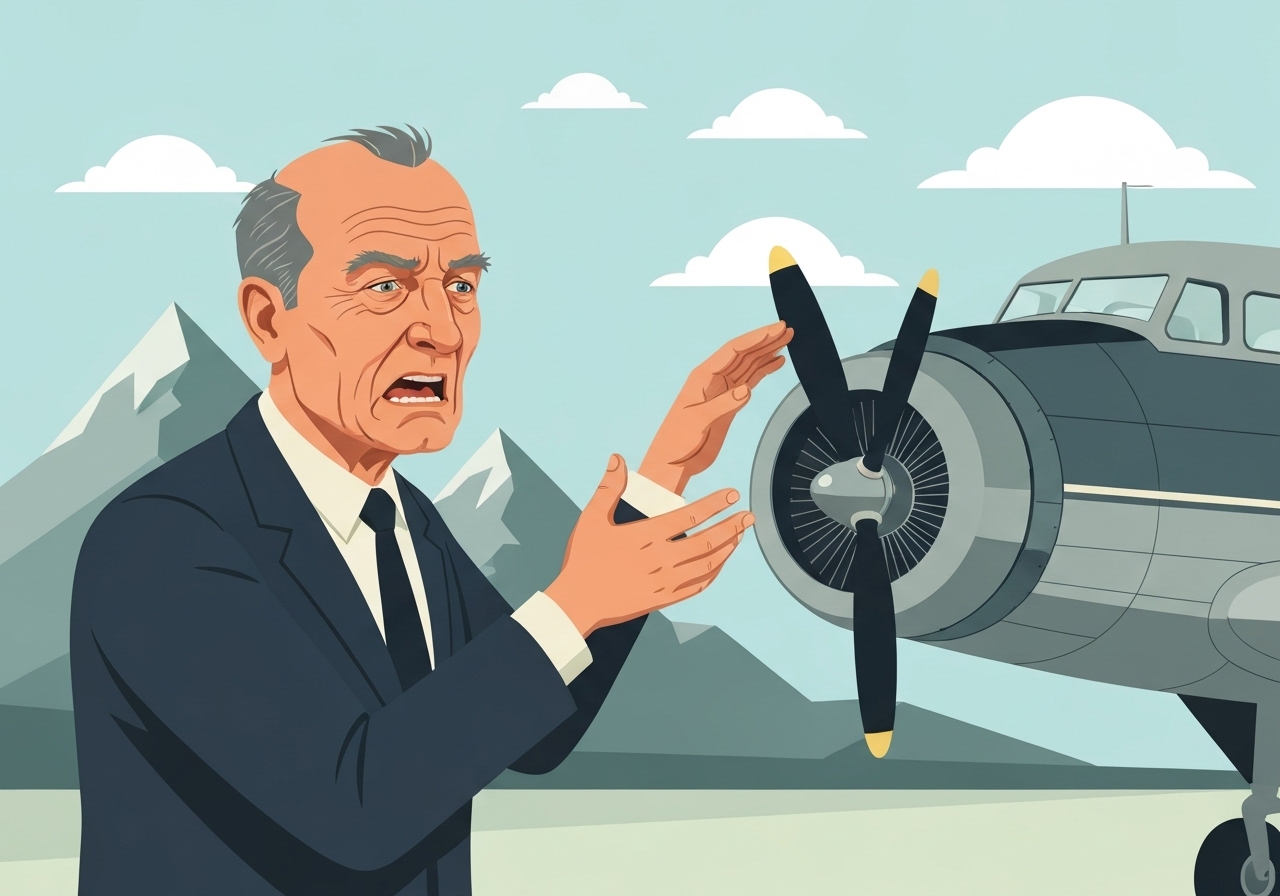
On Oct. 22, 2023, Joseph D. Emerson, an off-duty Alaska Airlines pilot seated in an extra cockpit jump seat on a Horizon Air flight from Everett, Wash., to San Francisco, reached for and pulled two fire-suppression handles that would cut fuel to both engines; the crew intervened, the flight diverted to Portland, and Emerson later entered plea agreements approved by judges on Sept. 5, 2025.
Key Takeaways
- Joseph D. Emerson, 46, admitted to trying to cut the engines while off duty two days after using psilocybin mushrooms.
- Federal plea: guilty to one count of interfering with a flight crew (up to 20 years); sentencing scheduled for Nov. 17, 2025.
- State plea: no contest to 83 counts of reckless endangerment and one felony endangering an aircraft; sentenced to 664 hours of community service and $59,608 restitution.
- Crew members stopped Emerson by restraining his hands and later securing him in the cabin; the aircraft landed safely in Portland.
- The incident intensified scrutiny of Federal Aviation Administration policies on pilot mental health and care-seeking barriers.
Verified Facts
Federal court records show Emerson pleaded guilty in Portland to a federal felony charge of interfering with a flight crew. Prosecutors told the court they intended to recommend a one-year prison term; the defense plans to request probation at sentencing on .
In Multnomah County Circuit Court, Emerson entered no contest pleas to 83 misdemeanor reckless-endangerment counts—one for each person aboard—and one count of endangering an aircraft. The county judge imposed 664 hours of community service and ordered $59,608 in restitution to Alaska Airlines.
Court filings and prior interviews state Emerson had consumed psilocybin mushrooms two days before the flight during a trip to mourn a friend and later told investigators he still experienced hallucinations when he boarded. After he pulled the fire-suppression handles, the on-duty pilots grabbed and reset the controls and the cabin crew restrained Emerson; he then attempted to access an emergency exit handle but was prevented by staff.
Context & Impact
The episode renewed debate over FAA medical-certification rules that can discourage pilots from seeking mental-health care because certain diagnoses or treatments risk suspending a medical certificate. A 2022 survey of U.S. pilots reported 56 percent had avoided some form of health care out of concern for their flying status.
The National Transportation Safety Board convened a summit following the incident, and an FAA-convened expert panel issued 24 recommendations in April 2024 aimed at reducing barriers for pilots and air-traffic controllers to report mental-health concerns. The FAA says it has adopted three of those recommendations and continues to review others within its authority.
- Operational impact: renewed calls for confidential reporting and alternative pathways to treatment.
- Regulatory impact: potential rule changes or policy clarifications from the FAA in coming months.
- Industry impact: airline training and cockpit access policies under renewed review.
‘The F.A.A. is committed to prioritizing the mental health of pilots,’ the agency said in a statement, urging early help-seeking because most treated conditions do not disqualify a pilot from flying.
Federal Aviation Administration
Official Statements and Reactions
Passengers and crew provided victim-impact statements at the county hearing. One passenger called for clearer policies and better support for pilots facing mental-health crises. Prosecutors read a letter suggesting Emerson speak to students about the risks of psychedelic substances; Emerson expressed willingness to do so and publicly thanked the crew who intervened.
Unconfirmed
- Whether Emerson was still experiencing active hallucinations at the moment he pulled the handles is based on his account and has not been independently verified by clinical records made public.
- The timeline for full FAA implementation of the expert-panel recommendations remains uncertain and depends on rulemaking and legal constraints.
Bottom Line
The case resulted in guilty pleas and county sanctions but no immediate federal prison term; federal sentencing will determine the final custodial outcome. Beyond individual penalties, the episode has sharpened attention on how aviation regulators and airlines balance safety, mental-health support and certification rules for pilots.