
Lead
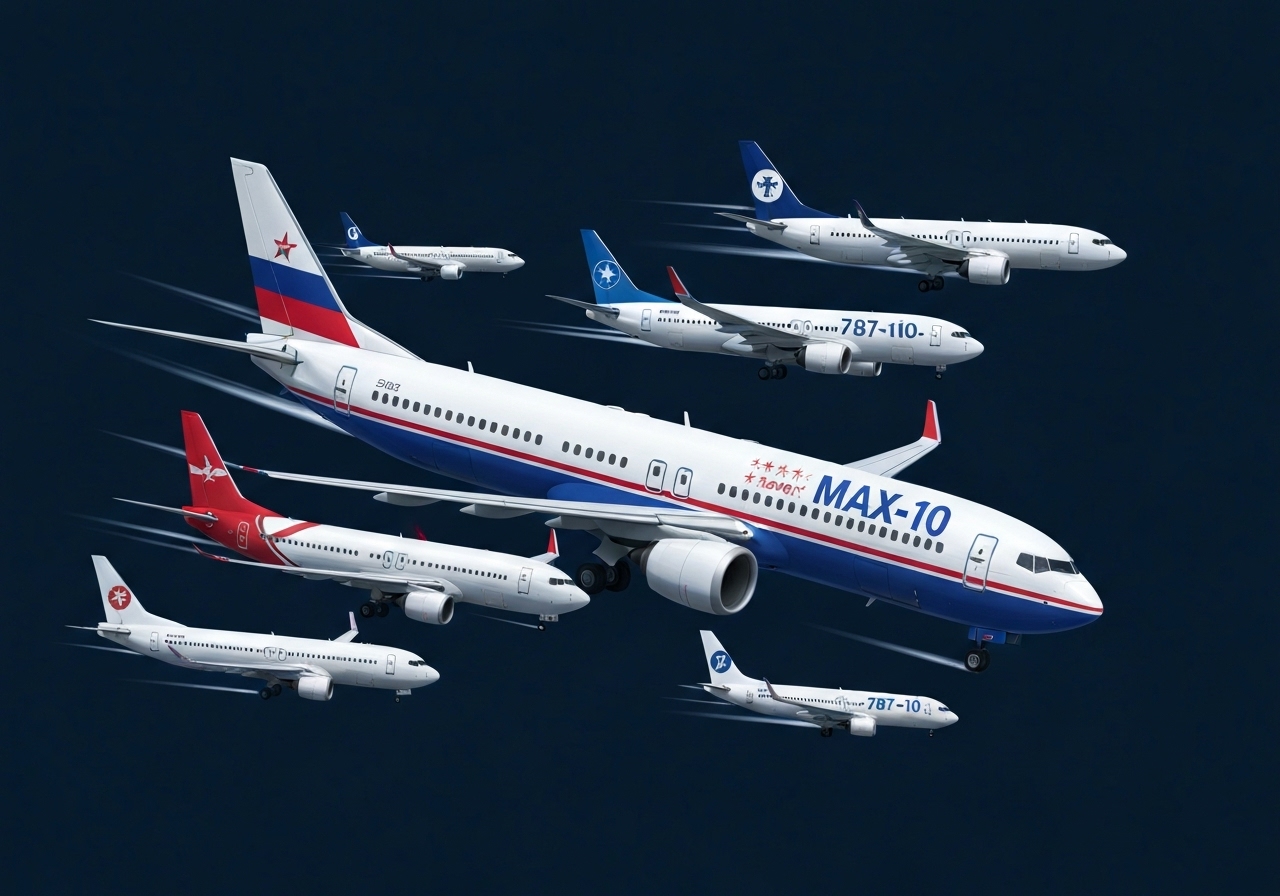
On Jan. 7, 2026, Alaska Airlines announced its largest-ever aircraft purchase, committing to more than 100 Boeing jets to secure delivery slots into the mid-2030s and accelerate expansion. The agreement comprises 105 yet-to-be-certified 737 MAX 10s and five 787-10 Dreamliners, with deliveries expected to start in 2027 once FAA approvals are complete. Alaska’s fleet chief said the order balances replacement needs and growth, and relies in part on the carrier’s confidence in Boeing’s production recovery. The deal also uses previously held options and adds new ones to lock in capacity amid a multi-year supplier backlog.
Key Takeaways
- Alaska ordered 105 Boeing 737 MAX 10 aircraft and five 787-10 Dreamliners in the carrier’s biggest purchase to date.
- Of the 105 MAX 10s, 53 are new commitments and 52 are exercises of prior options; there are options for 35 additional MAX 10s.
- The airline expects FAA certification of the MAX 10 in 2026 and plans first deliveries beginning in 2027.
- About half of the new jets are slated to replace older aircraft; the remainder are earmarked for network growth, including international expansion using 787-10s.
- Boeing holds a backlog of more than 6,000 aircraft; airlines say production rates and quality have improved under CEO Kelly Ortberg.
- The order follows safety and production scrutiny after a Jan. 5, 2024 door-plug incident on a 737 MAX 9 that impacted Boeing’s schedules and regulatory oversight.
Background
The MAX 10 is Boeing’s largest short- to medium-haul variant, offering higher seat counts but a shorter range than some other models; it is attractive to carriers aiming to lower unit costs on dense domestic routes. Boeing’s 737 production and certification process have been under heightened regulatory attention since two deadly MAX crashes in 2018 and 2019 and a subsequent string of production-quality events, including the Jan. 5, 2024 door-plug panel failure on a MAX 9 departing Portland, Oregon.
Alaska Airlines, whose fleet chief oversees fleet, revenue products and real estate, had already placed orders for more than 40 MAX 10s prior to this transaction and held options that it has now partially exercised. The carrier merged with Hawaiian Airlines in 2024 as it pursues both domestic density and a broader international footprint, prompting interest in long-range widebodies such as the 787-10 for longer routes.
Main Event
The transaction announced Jan. 7, 2026, includes 105 MAX 10s, five 787-10 Dreamliners, and options for an additional 35 MAX 10s. Alaska said 53 of the MAX 10s are newly ordered while 52 come from options the airline chose to exercise. Company officials declined to disclose the financial terms; list prices are public in the industry but large buyers typically receive substantial discounts.
Shane Jones, Alaska’s executive who manages the airline’s fleet and related business functions, told CNBC the carrier expects Federal Aviation Administration (FAA) certification of the MAX 10 in 2026 and anticipates Boeing will begin delivering the type in 2027. He framed the purchase as both strategic and pragmatic: securing scarce delivery slots while replacing older jets in the fleet.
The decision is also a public vote of confidence in Boeing amid its recovery efforts. Boeing has signaled plans to further increase 737 production rates, subject to FAA approval — a regulatory requirement made explicit after the 2024 door-plug incident. Airline customers and industry observers view the order as an indicator that some carriers believe production and quality controls have improved under Boeing’s current leadership.
Analysis & Implications
For Alaska, the MAX 10 order serves two immediate aims: locking in delivery positions in a market with multi-year backlogs and optimizing capacity on high-demand, short- to medium-haul routes. The MAX 10’s higher seat count can reduce unit costs on corridors where demand is strong, supporting the carrier’s yield and capacity strategies as it integrates operations following the 2024 merger.
Adding five 787-10s signals a calculated step into more long-haul international flying. The 787-10s, acquired via exercised options, provide range and capacity for transoceanic routes while leveraging economies of scale on fewer, longer sectors. That mix—narrowbodies for domestic density and widebodies for international growth—is consistent with network expansion plans announced by several U.S. airlines in recent years.
For Boeing, the order reduces near-term pressure on its order book and represents a reputational boost after quality and safety setbacks. But the company still faces operational and regulatory hurdles: ramping production without compromising quality and securing FAA approvals for any production-rate increases remain preconditions to meeting promised delivery schedules.
Industry-wide, the transaction highlights the tight supply-demand dynamics in commercial aviation. With over 6,000 aircraft on Boeing’s backlog, large orders like Alaska’s can lock in scarce capacity for the buyer but also concentrate risk if certification or production timelines slip.
Comparison & Data
| Model | New Orders | From Options | Total Committed |
|---|---|---|---|
| 737 MAX 10 | 53 | 52 | 105 (options for 35 more) |
| 787-10 Dreamliner | 0 | 5 | 5 |
| Boeing backlog | More than 6,000 aircraft on order | ||
The table summarizes the announced allocation: 105 MAX 10s split roughly evenly between new commitments and exercised options, five 787-10s from prior options, and a broader Boeing backlog exceeding 6,000 jets. This order shifts Alaska’s medium-term fleet plan and reserves delivery capacity that would otherwise be absorbed by other major airlines.
Reactions & Quotes
Alaska’s leadership framed the move as planned fleet management and a vote of confidence in Boeing’s path to stable production.
“This order is a part of our strategy to lock in delivery positions and reflects our confidence in the Max 10 certification and Boeing’s ability to produce quality aircraft on time.”
Shane Jones, Alaska Airlines (fleet chief)
Industry commentary reflected cautious optimism about Boeing’s operational improvements while noting ongoing oversight.
“The plane maker has improved its production rate and quality, according to airline executives watching the recovery closely.”
Airline executives (to CNBC)
Unconfirmed
- Exact timing and scope of FAA approval for MAX 10 production increases remain unconfirmed and subject to regulatory review.
- The financial terms and discounts Alaska received for the combined order have not been disclosed by the airline.
- Detailed delivery timing by individual aircraft beyond the general 2027 start window has not been publicly published.
Bottom Line
Alaska Airlines’ purchase of 105 737 MAX 10s and five 787-10s is the carrier’s largest order and a strategic move to secure scarce delivery slots while rebalancing its fleet for both replacement and growth. The deal underscores airlines’ continued appetite for larger single-aisle types to improve unit economics on busy domestic routes and for widebodies to support international expansion.
For Boeing, the order is a welcome endorsement amid efforts to normalize production and regain customer confidence, but the company must sustain quality improvements and clear regulatory milestones to meet the airline’s timeline. Observers will watch FAA certification milestones and Boeing’s production-rate approvals closely: any delays could shift delivery windows and affect network plans for Alaska and other customers.