
Lead
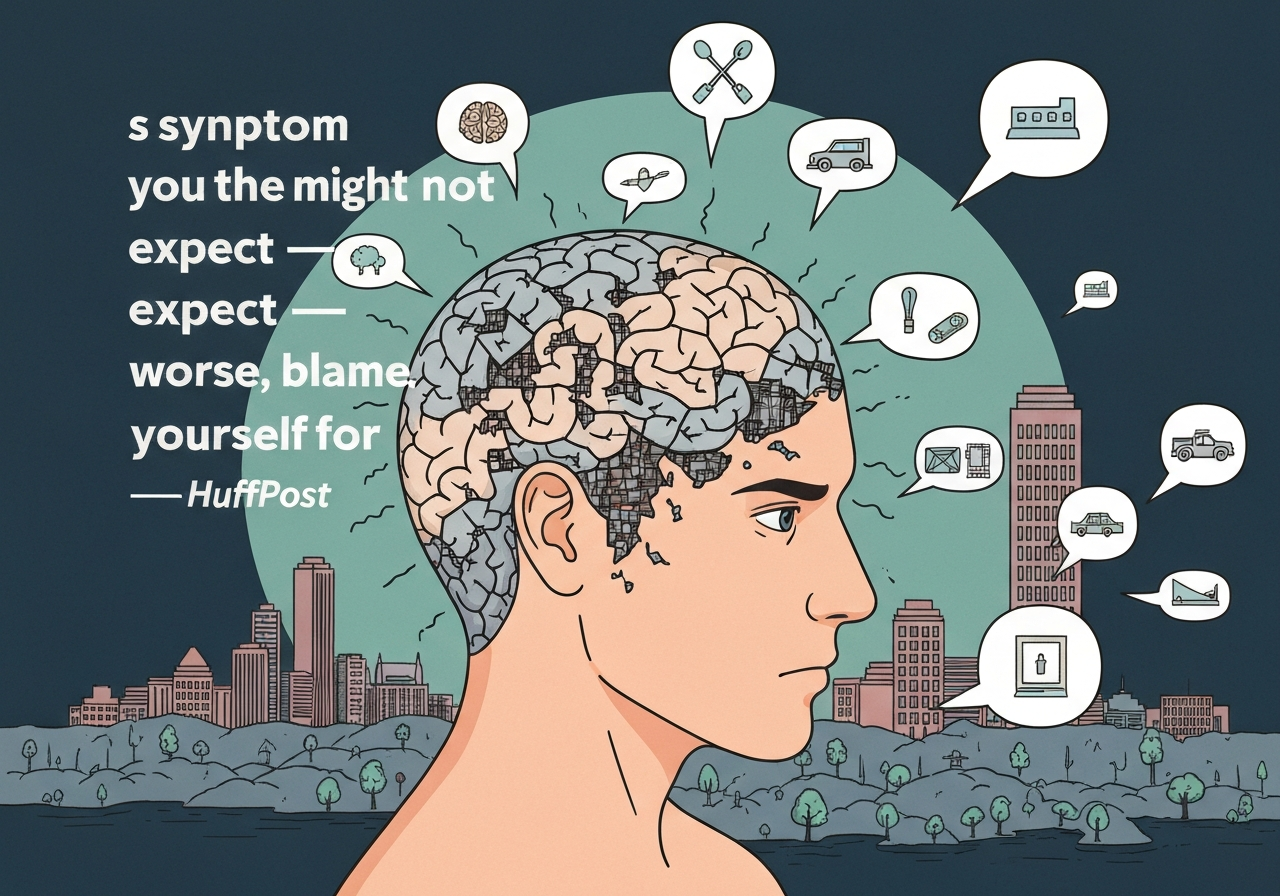
Alzheimer’s disease, which affects roughly 72 million Americans, produces a spectrum of cognitive and behavioral changes that extend beyond memory loss. One frequently overlooked—and commonly misattributed—manifestation is agitation, which can include pacing, angry outbursts and attempts to leave. Caregivers often assume these behaviors reflect their own shortcomings, but clinicians say agitation is a direct consequence of Alzheimer’s-related brain changes. Recognizing agitation as a medical symptom rather than a moral failing is the first step toward safer care and better support.
Key Takeaways
- About 72 million Americans are affected by Alzheimer’s in some way, and agitation is a frequent behavioral symptom linked to the disease.
- Clinicians report agitation prevalence ranging from about 56% in early stages to roughly 68% in moderate-to-severe stages of Alzheimer’s disease.
- Agitation can present as pacing, hitting, profanity, mood swings, throwing items, or trying to leave; these are signs of brain changes, not poor caregiving.
- Neurochemical shifts—decreases in serotonin, norepinephrine and dopamine—are implicated in agitation symptoms.
- Environmental stressors (crowds, routine disruption, unfamiliar settings) commonly worsen agitation, especially during events like holidays.
- Nonpharmacological approaches (consistent routines, calming techniques, music, movement) and medical treatments, including an FDA-approved medication for Alzheimer’s agitation, can reduce symptoms.
- Caregiver support, respite and counseling are essential because caregivers commonly internalize blame and experience burnout.
Background
Alzheimer’s is a progressive neurological disease that impairs memory, decision-making and emotional regulation. While memory loss and language difficulties are the best-known signs, behavioral and psychiatric symptoms are also core features of the illness and can be as disruptive as cognitive decline for families and care teams. The brain changes of Alzheimer’s affect circuits that govern mood and behavior; as those networks deteriorate, people may react to everyday events in ways that are new and distressing.
Caregivers frequently interpret agitation as a reaction to their actions, new routines or even insufficient patience, which creates stigma around natural disease symptoms. Advocacy groups and clinicians emphasize that agitation is rooted in neuropathology and neurochemical imbalance, not moral failure. At the same time, environmental triggers—loud gatherings, irregular schedules, bright or unfamiliar spaces—interact with biological vulnerability to produce episodes of agitation, particularly in later stages.
Main Event
Clinicians who treat older adults report that agitation appears in many forms: repetitive pacing, verbal aggression, physical striking, throwing objects and attempts to exit a safe setting. Those behaviors are often alarming for families and can prompt emergency calls or hospitalization when misinterpreted as deliberate resistance. According to specialists, the same person who was previously calm can become highly reactive because the disease disrupts emotional regulation and behavioral control.
Medical experts point to declines in three neurotransmitters—serotonin, norepinephrine and dopamine—as mechanistic contributors to agitation. These chemicals normally support mood, motivation, arousal and anxiety regulation; when their balance shifts, emotional responses can intensify and become harder to modulate. Clinicians say this explains why familiar situations may suddenly provoke disproportionate distress.
Environmental circumstances frequently precipitate episodes: holiday parties, strangers in the home, changes to daily routine and sensory overload are common triggers. Practitioners advise adjusting the surroundings—reducing noise, maintaining predictable schedules and preparing the person ahead of transitions—to lower the likelihood and severity of agitation. When behavioral strategies are insufficient, medical evaluation can identify evidence-based pharmacologic and nonpharmacologic treatments to manage symptoms safely.
Analysis & Implications
Framing agitation as a symptom of Alzheimer’s rather than a consequence of caregiving has several implications for clinical practice and policy. First, it shifts responsibility from informal caregivers to a clinical model that encourages assessment, documentation and treatment planning. That reframing can reduce caregiver guilt and increase uptake of supports such as respite care, counseling and community resources.
Second, recognizing the neurochemical basis of agitation points to specific therapeutic targets. Decreases in serotonin, norepinephrine and dopamine suggest that both behavioral interventions and pharmacologic options can play complementary roles. However, clinicians caution that medication must be chosen carefully because older adults are vulnerable to side effects and drug interactions.
Third, the interaction between environment and biology underscores the need for dementia-informed public spaces and events, particularly around high-stress times like holidays. Simple accommodations—quieter rooms, familiar music, predictable mealtimes—may prevent crises that otherwise lead to emergency care or institutionalization. At the system level, training for first responders, caregivers and health workers should include practical strategies for de-escalation and comfort-focused care.
Comparison & Data
| Stage of Alzheimer’s | Estimated Agitation Prevalence |
|---|---|
| Early stage | 56% |
| Moderate–severe stage | 68% |
These figures illustrate that agitation is not an occasional or marginal symptom but a common feature across stages of Alzheimer’s. The data support prioritizing both preventive environment-based measures and timely clinical assessment. Comparing prevalence with other behavioral symptoms helps policymakers allocate resources for caregiver support programs and specialized clinical services.
Reactions & Quotes
“It’s critical to first appreciate that agitation is a symptom of brain changes caused by Alzheimer’s disease, not poor caregiving,”
Dr. Richard Stefanacci, medical director, Inspira LIFE
Stefanacci emphasizes that loving, attentive care does not eliminate agitation when underlying brain circuits are affected; instead, caregivers should be guided toward coping strategies and supports.
“Caregivers often feel they might be doing something wrong…without realizing that agitation in Alzheimer’s is very common,”
Dr. Nikhil Palekar, director, Stony Brook Center of Excellence for Alzheimer’s Disease
Palekar highlights prevalence estimates—about 56% in early stages to 68% in moderate-severe stages—to explain why agitation should be expected and proactively managed by clinicians and families.
Unconfirmed
- No major unverified claims were identified in the primary reporting; specific drug names and long-term outcome data were not detailed in the source article.
Bottom Line
Agitation is a frequent, medically rooted symptom of Alzheimer’s disease that commonly appears as pacing, aggression, mood swings or attempts to flee. Caregivers should not interpret these behaviors as moral failings; they are manifestations of neurodegeneration and neurochemical change that often respond to environmental adjustments, behavioral strategies and clinical treatment when needed.
Practically, families and care teams should prioritize predictable routines, reduce sensory overload during gatherings, use calming approaches and seek clinical evaluation for persistent or dangerous agitation. Expanding access to caregiver support, respite services and dementia-informed public policies will reduce harm, ease caregiver burden and improve quality of life for people living with Alzheimer’s.