
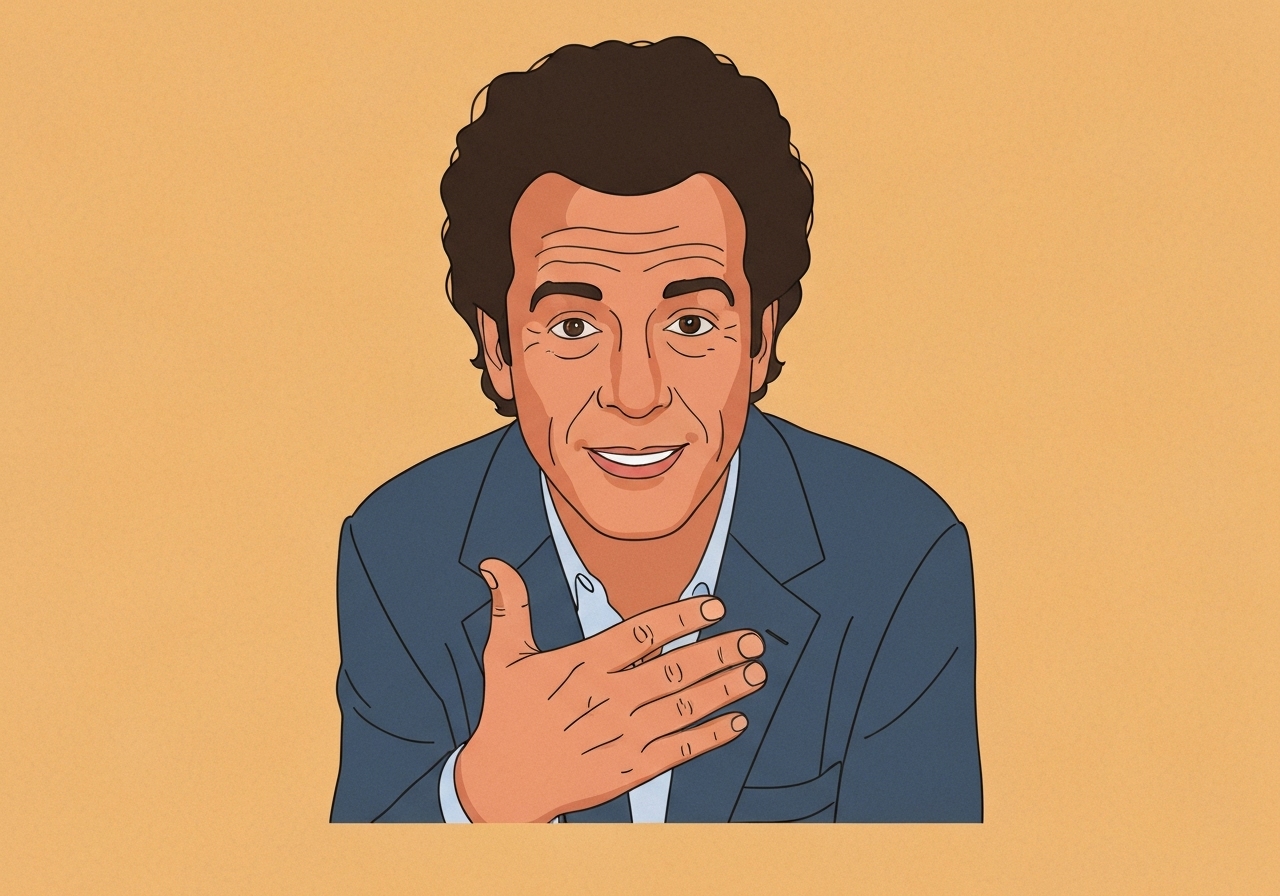
Lead: Anthony Geary, the actor best known as Luke Spencer of General Hospital and one half of daytime television’s iconic Luke-and-Laura pairing, has died at 78. ABC confirmed he died Sunday in Amsterdam from complications that followed a surgical procedure three days earlier. Geary’s portrayal of Luke—first appearing in 1978—earned him eight Daytime Emmy awards and helped make the 1981 Luke-and-Laura wedding a television cultural event. Colleagues and cast members paid tribute to a performer whose career spanned stage and screen for more than four decades.
Key Takeaways
- Anthony Geary died at age 78 in Amsterdam; ABC reported his death occurred on Sunday due to complications after surgery three days prior.
- Geary originated the role of Luke Spencer on General Hospital in 1978 and won eight Daytime Emmy Awards for the part over a career exceeding 40 years.
- The 1981 Luke-and-Laura wedding drew a record television audience of about 30 million viewers and remains a landmark moment in daytime-TV history.
- Geary played Luke on and off through 2015 and returned for a cameo in 2017; he also appeared on other series such as The Young and the Restless and Bright Promise.
- He lived in Amsterdam with his husband Claudio Gama and maintained a parallel stage career alongside his television work.
- Luke Spencer’s story arc included a sexual assault early on and a subsequent redemption narrative that transformed the character into a complex anti-hero and, later, a civic leader on the show.
- ABC and General Hospital executive producer Frank Valentini issued public statements mourning Geary’s death and praising his influence on the series and the medium.
Background
When Geary joined General Hospital in 1978, daytime drama was shifting toward higher-stakes storytelling and broader cultural visibility. His Luke Spencer arrived as a small-time thug-turned-plotter whose early storyline—designed to break up a couple—escalated into darker territory when it included the sexual assault of Laura Webber, played by Genie Francis. Rather than ending the character, writers and Geary navigated a long redemption arc that repositioned Luke from villain to complicated hero, reflecting evolving audience tastes and soap opera narrative possibilities.
The pairing of Luke and Laura became more than a plotline: by the time their two-part televised wedding aired in 1981, the couple had crossed into mainstream pop culture. An estimated 30 million viewers tuned in, and the event featured high-profile guest appearances. Geary’s performance and the storyline’s reach helped cement General Hospital’s place in broadcast television, and his repeated Daytime Emmy wins—eight in total—underscore his prominence within the industry.
Main Event
ABC notified the public that Geary died in Amsterdam after complications from a surgical procedure three days earlier. The network said it was “deeply saddened” and described Geary’s portrayal of Luke Spencer as instrumental in defining both the show and daytime television more broadly. Frank Valentini, the program’s executive producer, called the cast and crew “heartbroken” and lauded Geary’s work ethic and artistry.
Geary’s career on General Hospital spanned multiple decades, with regular runs beginning in 1978, intermittent departures and returns through 2015, and a cameo in 2017. His Luke evolved from criminal outsider to a civic figure—eventually serving as mayor of Port Charles in storyline terms—illustrating soap opera capacity to change and rehabilitate central figures. Outside the soap, Geary accrued stage credits and guest roles on series including Room 222, All in the Family and The Streets of San Francisco early in his career.
Colleagues and former co-stars offered condolences and remembrances. Genie Francis, who played Laura, called Geary a “powerhouse” and praised his comic timing and honesty as an actor. Industry peers emphasized that Geary set a standard for emotional range and complexity in daytime acting, while fans and social-media communities began sharing archival footage and personal tributes following the announcement.
Analysis & Implications
Geary’s death removes one of daytime television’s most influential figures at a moment when serialized dramas are reassessing legacy characters for streaming-era audiences. His Luke Spencer embodied the soap tradition of moral ambiguity—characters who could commit harm and still be reshaped into sympathetic figures—an approach that has influenced long-form television storytelling beyond daytime slots. Writers and producers who study character arcs will likely revisit Luke’s trajectory as a case study in redemption narratives that sustained viewer investment over years.
For General Hospital specifically, the loss may prompt both creative and archival responses: renewed interest in classic episodes, retrospectives, and possible on-screen commemorations within the Port Charles setting. The program’s producers face choices about how to acknowledge a figure central to the show’s identity without veering into sensationalism, balancing fan expectations with respectful handling of storyline continuity.
Geary’s personal life—he lived openly with husband Claudio Gama in Amsterdam—also matters in cultural terms. As an internationally based, openly gay actor who maintained a high-profile career during eras less accepting than today, his life contributes to discussions about representation, privacy and how performers navigate public and private identities across decades.
Comparison & Data
| Item | Figure |
|---|---|
| Year Luke first appeared | 1978 |
| Daytime Emmy Awards won for Luke | 8 |
| Viewers for 1981 Luke-and-Laura wedding | ~30 million |
| Active years on General Hospital | 1978–2015 (regular), cameo 2017 |
This comparison highlights Geary’s longevity and the scale of the Luke-and-Laura cultural moment. Winning eight Daytime Emmys places him among the most decorated performers in daytime drama history, while the wedding’s 30 million viewers mark an era when network television still commanded massive shared audiences—numbers that are rare in today’s fragmented media environment. Those metrics help explain why Geary’s passing generated immediate industry and fan attention.
Reactions & Quotes
ABC and the show’s leadership issued formal statements noting Geary’s contribution to the series and television drama.
“We are deeply saddened by the passing of Anthony Geary, whose portrayal of Luke Spencer helped define General Hospital and daytime television.”
ABC (official statement)
Executive producer Frank Valentini framed the loss in personal and professional terms, emphasizing Geary’s role-setting performance and the void his absence creates for the cast and crew.
“The entire ‘General Hospital’ family is heartbroken over the news of Tony Geary’s passing. Tony was a brilliant actor and set the bar that we continue to strive for.”
Frank Valentini, Executive Producer
Genie Francis reflected on Geary’s power as a performer and his uncompromising honesty onstage and onscreen, noting both his bluntness and comic gift.
“He was a powerhouse as an actor… No star burned brighter than Tony Geary. He was one of a kind.”
Genie Francis, co-star
Unconfirmed
- The precise nature of the surgical procedure and the specific medical complications that led to Geary’s death have not been publicly detailed by family or medical providers.
- No hospital or medical statement providing clinical details has been released as of the initial reports; the timeline rests on the ABC announcement and reporting by outlets.
Bottom Line
Anthony Geary’s passing marks the end of a career that reshaped daytime drama and left an indelible mark on television storytelling. His Luke Spencer was both contentious and beloved: a character who began as an antagonist and, through long-form serial storytelling and Geary’s performance, became a defining figure in soap-opera history. The actor’s eight Daytime Emmy wins and the scale of the Luke-and-Laura phenomenon underscore a legacy that will be studied by viewers and creators alike.
In the weeks ahead, expect General Hospital and the broader television community to offer tributes, retrospectives and archival programming that revisit Geary’s most influential work. For viewers, scholars and colleagues, the moment invites reflection on how serialized narratives can transform characters and shape popular culture across generations.
Sources
- NPR — news report (primary contemporary account)