
Lead
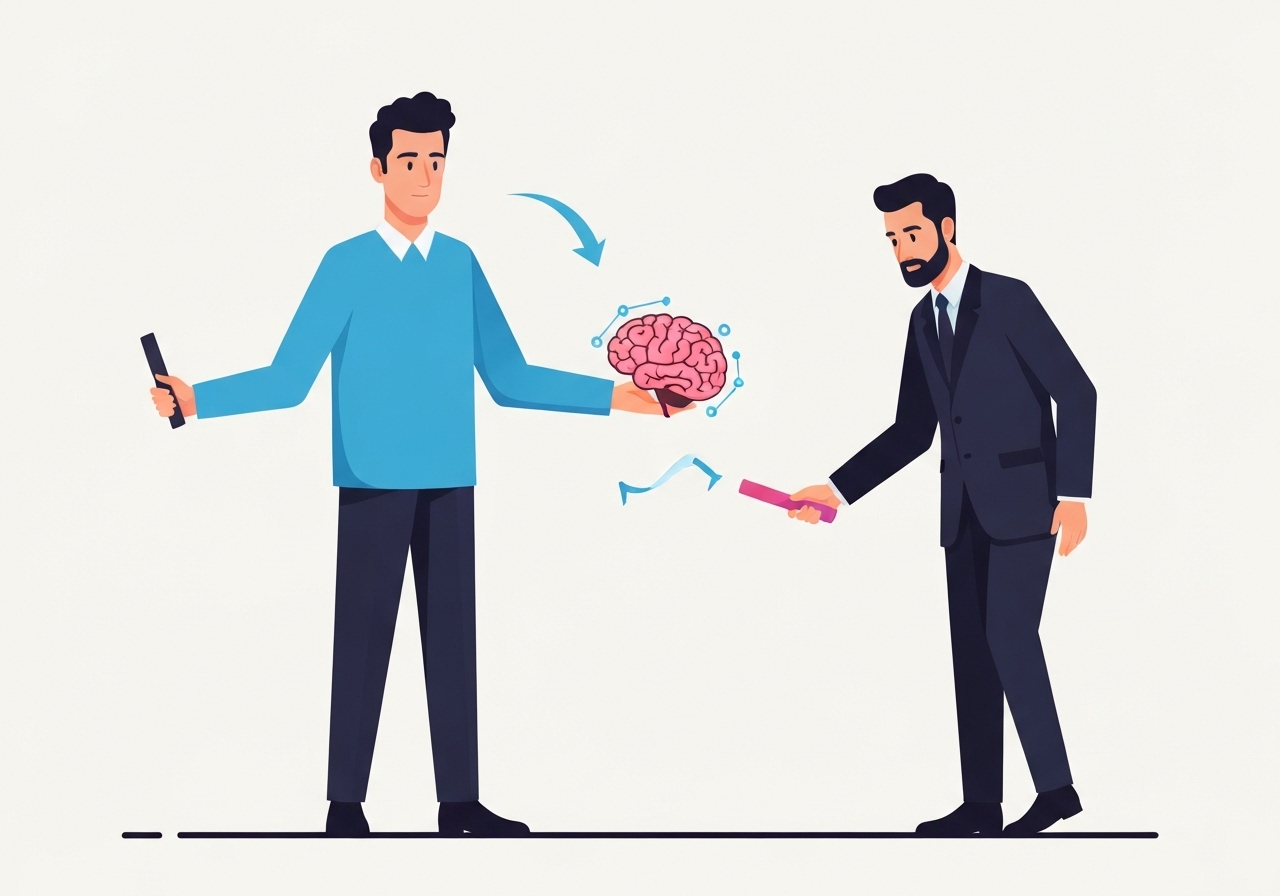
On Monday, Dec. 1, 2025, Apple announced that John Giannandrea, who led the company’s AI effort since 2018, is “stepping down” and will remain as an adviser through the coming spring. He will be succeeded by Amar Subramanya, a Microsoft executive with 16 years at Google and recent responsibility for engineering on the Gemini Assistant. The move follows months of public criticism of Apple Intelligence and internal reporting that Giannandrea had been sidelined from key projects. Apple says Subramanya will report to SVP Craig Federighi and help accelerate the company’s AI roadmap.
Key Takeaways
- John Giannandrea, Apple’s AI head since 2018, announced he is stepping down on Dec. 1, 2025, and will serve as an adviser through spring 2026.
- Amar Subramanya, Apple’s new AI chief, brings experience at Microsoft and 16 years at Google, most recently leading engineering for Gemini Assistant.
- Apple Intelligence, launched in October 2024, has faced sharp criticism and factual errors cited by multiple outlets in late 2024 and early 2025.
- High-profile errors included false notifications reported by Apple Intelligence and two BBC complaints about incorrectly reported incidents involving Luigi Mangione and darts player Luke Littler.
- A Bloomberg investigation in May 2025 reported organizational dysfunction, internal delays to Siri’s overhaul, and that Giannandrea had been stripped of Siri oversight in March 2025.
- Apple is retaining a privacy-first, on-device AI strategy using Apple Silicon and Private Cloud Compute; this approach limits model scale compared with cloud-centered rivals.
- Reports suggest Apple may lean on Google’s Gemini for an updated Siri, a notable shift given the long-standing rivalry between the companies.
Background
Apple entered the modern generative-AI era relatively cautiously, emphasizing on-device processing and user privacy rather than the cloud-first, data-aggregation model favored by some competitors. The company hired John Giannandrea from Google in 2018 to lead its machine learning and AI strategy, including Siri and broader ML infrastructure. Giannandrea’s mandate was to combine Apple’s hardware advantages with improved intelligence across products while adhering to Apple’s privacy commitments.
In October 2024 Apple unveiled Apple Intelligence, its answer to conversational models like ChatGPT, positioning it as tightly integrated, privacy-preserving intelligence across devices. Early reviews, however, described the product as underwhelming; some features produced incorrect or misleading outputs during late 2024 and early 2025. Those missteps compounded internal pressures and public scrutiny at a moment when rivals were deploying larger cloud-hosted models at scale.
At the same time, the broader AI labor market saw researchers moving from Apple to OpenAI, Google and Meta, according to reporting. Apple’s internal structure and budget allocations for AI reportedly became points of friction as engineering, product and marketing teams tried to align on launches and claims.
Main Event
Apple’s Dec. 1 announcement framed Giannandrea’s departure as a planned transition: he will step down from his operational role and stay on as an adviser through spring. The company named Amar Subramanya, a senior Microsoft executive with an extensive Google background, as the new head of AI. Subramanya’s dual experience at two key competitors gives him technical and competitive insight that Apple evidently values.
Multiple outlets reported that Giannandrea had already lost direct oversight of Siri by March 2025, when Craig Federighi reassigned the Siri team to Mike Rockwell, the Vision Pro lead. Bloomberg’s May 2025 investigation described budget mismatches, poor cross-team coordination and delays to product launches that further strained confidence in AI leadership at Apple.
The change places Subramanya reporting to Federighi with an explicit mandate to close gaps in Apple’s AI capabilities. Executives are now balancing Apple’s privacy-centric, on-device approach with growing product expectations that often demand larger, cloud-hosted models or third-party integrations to deliver parity with rival assistants.
Industry sources and reporting indicate the company is exploring deeper technical ties with Google’s Gemini to power portions of Siri’s next iteration. If pursued, that would be an unusual turn for a company that has historically guarded ecosystem independence from Google.
Analysis & Implications
Apple’s decision to hire a leader steeped in both Google and Microsoft culture signals urgency. Subramanya’s background suggests Apple wants someone who understands large-scale cloud AI engineering and the competitive landscape. That expertise could accelerate feature parity, integrations and operational practices that Apple’s internal teams reportedly struggled to deliver.
The appointment also highlights the trade-offs inherent in Apple’s privacy-first strategy. On-device models preserve user data privacy and leverage Apple Silicon performance, but they are typically smaller and less capable than the massive cloud models run by competitors. That gap can manifest as reduced factual accuracy, narrower capabilities or slower iteration cycles when compared to cloud-native rivals.
Relying on external models such as Google’s Gemini would mitigate capability shortfalls but raises strategic and reputational questions. For decades Apple and Google have been fierce competitors across mobile OS, services and devices. Licensing or integrating Gemini would be pragmatic—reducing time-to-market and improving accuracy—but could weaken Apple’s narrative of self-reliant, tightly integrated intelligence.
Operationally, the Bloomberg account of misaligned budgets, poor communication and talent departures points to deeper cultural fixes beyond a single leadership change. Subramanya’s success will depend on his ability to rebuild cross-functional trust, retain researchers, and align product claims with technical readiness to avoid further legal and consumer backlash.
Comparison & Data
| Event | Date | Impact |
|---|---|---|
| Giannandrea joins Apple | 2018 | Set AI strategy and led Siri/ML infrastructure |
| Apple Intelligence launch | Oct 2024 | Mixed reviews; public misstatements followed |
| Bloomberg investigation | May 2025 | Reported internal dysfunction and reassignments |
| Leadership change announced | Dec 1, 2025 | Amar Subramanya named new AI chief |
The table above maps milestones that shaped the leadership change. Apple’s October 2024 launch and the May 2025 reporting were focal points that intensified scrutiny. Quantitative measures—such as headcount movement and model parameter sizes—have not been disclosed publicly by Apple; those metrics would help gauge how far Apple must close the capability gap.
Reactions & Quotes
“Stepping down”
Apple statement (Dec. 1, 2025)
“AI/MLess” (nickname used internally to describe the team)
Bloomberg investigation (May 2025)
BBC lodged formal complaints after two false reports were published by Apple Intelligence concerning high-profile incidents.
BBC reporting (late 2024–early 2025)
Apple framed the transition as orderly and advisory; outside reporting emphasized operational issues and product delays that preceded the announcement. Independent outlets noted both product-level errors and organizational factors that contributed to public setbacks.
Unconfirmed
- Extent of Gemini integration: reports that Apple will rely on Google’s Gemini for the next Siri iteration are not officially confirmed by Apple or Google.
- Internal reasons for Giannandrea’s stepdown beyond the advisory role have not been fully disclosed by Apple and remain subject to newsroom reporting and company comment.
Bottom Line
This leadership change is both tactical and symbolic: Apple has moved to install a leader with direct experience at its two biggest AI-technology competitors, signaling a willingness to close capability gaps quickly. How Apple balances its long-stated privacy priorities with the operational need for larger models or external partnerships will determine whether Subramanya can deliver measurable product improvement.
Expect scrutiny on three fronts in the months ahead: product accuracy and stability (especially Siri and Apple Intelligence), integration choices (on-device vs. third-party models), and organizational reforms to prevent repeat miscommunications. For consumers and investors, the next year will be the clearest indicator of whether this hire results in substantive technical and cultural progress.