
Lead
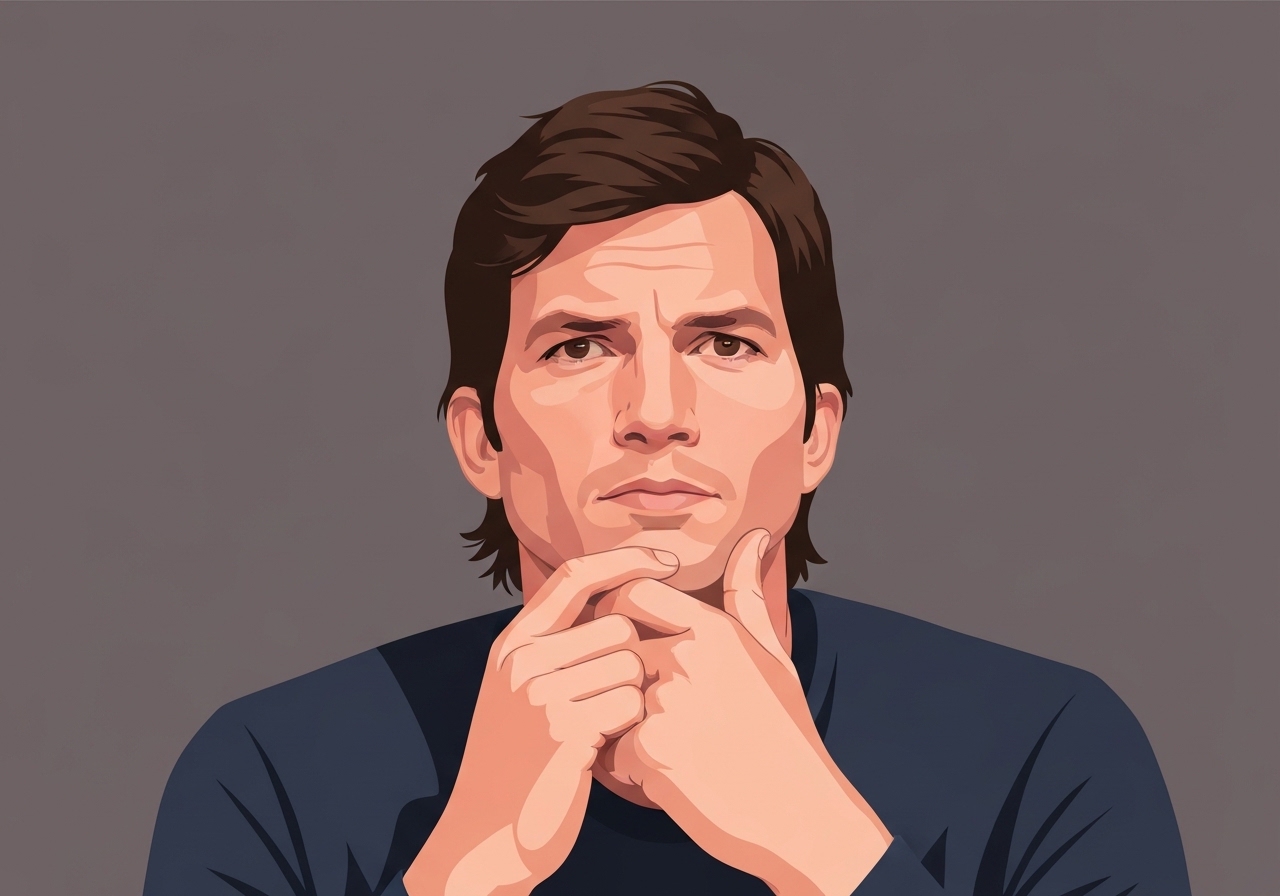
In a recent interview with BBC News, actor Ashton Kutcher argued that Hollywood itself is not the primary force driving rising demands for physical perfection; he placed more responsibility on broader social shifts such as constant camera exposure and social media. Kutcher, 47, is starring in the new Ryan Murphy series The Beauty, which imagines a beautifying injection that can radically alter appearance but has horrific side effects. He told the BBC that film and television largely mirror society rather than invent societal appetites for conformity. The show’s plot and contemporary debates over weight‑loss drugs and cosmetic procedures have sharpened public conversation about how appearance and power intersect.
Key takeaways
- Ashton Kutcher, 47, told BBC News that entertainment reflects societal tastes and is not chiefly responsible for enforcing uniform beauty ideals.
- The Beauty, adapted by Ryan Murphy, centers on a pharmaceutical injection that can make people conventionally attractive but carries dangerous side effects, including fictional sexual transmission and internal burning.
- UK figures show 27,462 cosmetic procedures in 2024—up 5% from 2023—and BAAPS members carried out more than 10,000 non‑surgical treatments in the same year.
- Kutcher and creators discussed the cultural rush for weight‑loss drugs such as Mounjaro and Ozempic, noting some people seek them without medical need.
- Co‑stars Jeremy Pope and Rebecca Hall say the series interrogates how far people will go for beauty and raises comparisons to works like The Picture of Dorian Gray.
- The show features cameos from public figures including Bella Hadid and Meghan Trainor, underlining how celebrity culture and real‑world procedures intersect.
Background
Debate over beauty norms has intensified with the proliferation of social media platforms where users and influencers are continuously visible. Cosmetic procedures and injectable treatments have become more accessible and socially accepted; what was once private—like Botox—now can be part of a public routine. Parallel to that, new weight‑loss medications have entered public conversation, sometimes being sought by people without metabolic conditions, raising questions about medicalization of aesthetics. Entertainment has long reflected prevailing norms, but new technologies and online economies accelerate trends and magnify perceived standards.
Ryan Murphy’s The Beauty places these threads into a near‑future drama that literalises the quest for perfected appearance through a commercial product. Historically, stories from The Picture of Dorian Gray to modern body‑horror films have examined the moral costs of chasing youth and beauty. The series arrives amid rising UK cosmetic procedure numbers and widespread commentary about influencer culture, creating fertile ground for both satire and genuine social critique. Industry professionals, regulators and clinicians are watching public uptake and social effects closely.
Main event
Speaking to BBC News, Kutcher rejected the idea that Hollywood is singularly responsible for shaping impossible beauty ideals, saying, “Entertainment is a reflection of society.” He suggested that casting often values variety and interest as much as conventional handsomeness, and that the ubiquity of cameras and curated online life is a stronger driver of perfectionism. Kutcher’s role in The Beauty portrays a tech billionaire who has taken the fictional injection to pursue youth, only to confront catastrophic consequences that include a contagious, destructive side effect.
The show interweaves commentaries on current phenomena: cameo appearances by Bella Hadid and Meghan Trainor highlight how celebrity narratives intersect with treatment trends, and characters discuss access to and demand for drugs like Mounjaro and Ozempic. Kutcher said conversations with Murphy frequently circled around people seeking these medications and paying to obtain them despite lacking clinical need. The series frames those choices within broader questions of security, success and influence in a world where visual appeal can translate into economic and social power.
Co‑star Jeremy Pope described the series as an inquiry into the costs of pursuing ultimate beauty: “How much would you give or sacrifice to experience ultimate beauty or success?” Rebecca Hall, who plays an FBI agent investigating the deaths of beautiful people, drew parallels to Dorian Gray and said the show forces reflection on the dangers of chasing an externally defined ideal. Critics have noted the series satirises Instagram perfection and modern “tweakments,” suggesting the fiction is close to contemporary reality in tone if not detail.
Analysis & implications
Kutcher’s argument reframes responsibility from a single industry to distributed social dynamics: platforms, influencer economies and real‑time visibility amplify pressures that once were localized or private. When appearance becomes a currency—tied to perceived success, safety or opportunity—the incentive structure for cosmetic intervention intensifies. That dynamic is visible in rising procedure numbers and in anecdotes about people normalising in‑office injections as social activities. Policymakers and public health officials may need to balance individual autonomy with measures addressing misinformation, diversion of prescription medicines, and the commercialisation of medical products.
The normalization of cosmetic enhancement also raises equity and labour questions. Access to procedures and mediated beauty can magnify social advantage for those with resources, while stigmatizing others. If visual appeal increasingly affects hiring, social capital and influencer income, the pressures become material, not merely aesthetic. Regulators could see calls to tighten advertising standards for aesthetic treatments and to improve oversight of off‑label or non‑medical distribution of weight‑loss medications.
There are cultural feedback loops to consider: entertainment reflects prevailing ideals, but it also provides scripts and imagery that people imitate. Even if film and TV do not create the demand, they can legitimise certain looks or procedures, accelerating adoption. The long‑term consequence may be cyclical: new norms prompt new interventions, which create new norms, and so on—making intermittent public critique and regulation more important to halt harmful escalations.
Comparison & data
| Year | Cosmetic procedures (UK, total) | Change vs prior year | Non‑surgical by BAAPS members |
|---|---|---|---|
| 2023 | ~26,154 | — | — |
| 2024 | 27,462 | +5% | >10,000 |
The 2024 UK total of 27,462 cosmetic procedures represents a 5% rise on 2023, implying roughly 26,154 procedures the prior year. BAAPS members reported performing more than 10,000 non‑surgical treatments such as fillers and Botox in 2024, underscoring the scale of minimally invasive interventions. These data illustrate both growth in demand and the prominence of non‑surgical options, which are often quicker, cheaper and more socially visible than traditional surgery. The numbers help contextualise why a fictional narrative like The Beauty resonates with contemporary audiences.
Reactions & quotes
BBC coverage captured Kutcher’s central claim that entertainment is not the origin of aesthetic homogeneity, a point that several commentators have echoed while adding nuance about media influence and social platforms. Below are representative statements from the series’ cast and critics.
“Entertainment is a reflection of society.”
Ashton Kutcher, actor (BBC interview)
Kutcher used this line to argue that film and TV mirror existing desires rather than inventing them. He framed the more immediate cause as everyone being visible on camera much of the time, which intensifies comparison and competition.
“How much would you give or sacrifice to experience ultimate beauty or success?”
Jeremy Pope, actor
Pope emphasised the ethical core of the series: it forces viewers to consider personal trade‑offs for external validation. His comment positions The Beauty as a cultural probe rather than straightforward entertainment.
“If you keep chasing some version of beauty that’s outside of yourself, you may never be satisfied.”
Rebecca Hall, actor
Hall connected the show’s premise to classic cautionary tales about vanity and identity. She suggested the series interrogates how relentlessly buying into external standards can undermine personal contentment and mental well‑being.
Unconfirmed
- No evidence suggests a single industry or production (film/TV) has independently created present‑day beauty standards; influence is multifactorial and distributed.
- Claims about the real‑world sexual transmission of aesthetic treatments are fictional within The Beauty and have no established medical basis.
Bottom line
Ashton Kutcher’s stance redirects responsibility for rising perfectionism away from Hollywood alone and toward broader social dynamics such as perpetual online visibility, influencer economies and greater access to medicalised aesthetic tools. The Beauty dramatizes those dynamics and taps into measurable trends: rising cosmetic procedures and growing public interest in pharmaceuticals that affect appearance. While entertainment may not be the origin, it remains an amplifier and a venue for reflection, satire and critique.
Understanding this issue will require coordinated attention from clinicians, regulators, platforms and cultural producers. Data on procedure uptake, clearer advertising rules, and public education about risks and equity effects are practical steps to consider. The conversation sparked by the series and by public figures like Kutcher can help move debate from blame to solutions that reconcile personal choice with public health and social fairness.