
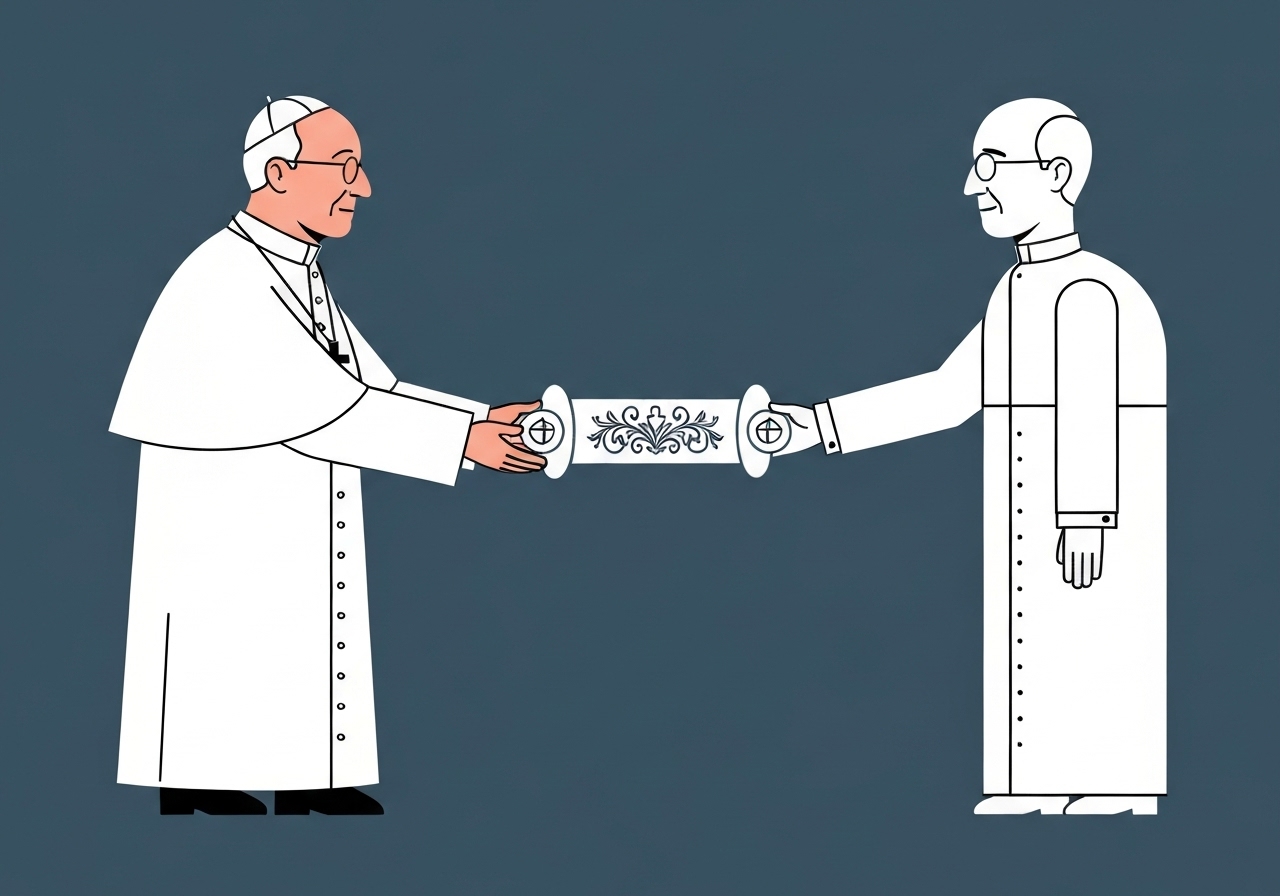
On Dec. 18, 2025, Pope Leo XIV appointed Bishop Ronald A. Hicks, 58, to succeed Cardinal Timothy M. Dolan as archbishop of the Roman Catholic Archdiocese of New York. The move, announced by the Vatican, replaces a prominent and politically visible prelate with a pastor whose record in Joliet, Illinois, stresses quiet governance and pastoral care. The appointment covers an archdiocese that serves roughly 2.5 million Catholics across New York City’s five boroughs and nearby suburbs, and is widely read as an early signal of the pope’s preferred leadership style in his home country. The selection is likely to reshape the archdiocese’s public posture even as many institutional priorities remain unchanged.
Key Takeaways
- Pope Leo XIV named Bishop Ronald A. Hicks on Dec. 18, 2025, to succeed Cardinal Timothy Dolan as archbishop of New York.
- Bishop Hicks, 58, has led the Diocese of Joliet since 2020 and is described in coverage as steady and pastoral.
- The Archdiocese of New York serves about 2.5 million Catholics across five boroughs and northern suburbs.
- The appointment contrasts Dolan’s high-profile political engagement with Hicks’s lower-profile pastoral approach.
- The selection is viewed as one of Pope Leo’s first substantive signals about his priorities for U.S. church leadership.
- The change may alter public relations and political visibility but not immediate doctrinal positions set by the Vatican.
Background
The Archdiocese of New York is among the most influential sees in the United States, historically shaped by archbishops who combined pastoral duties with public-facing roles. Cardinal Timothy M. Dolan has occupied that position for years, often taking visible stances on national debates and appearing frequently in the media. His public interventions included opposition to certain federal policies and high-profile appearances at presidential inaugurations.
Bishop Ronald A. Hicks grew up in the Chicago suburbs and served in the Diocese of Joliet before his appointment as bishop there in 2020 by Pope Francis. His record emphasizes parish-centered ministry, administration that favors consensus, and limited engagement in partisan political debates. Observers in both diocesan and national circles have noted the contrast in temperament and public visibility between Hicks and Dolan.
Main Event
The Vatican announced the appointment on Dec. 18, 2025, naming Hicks as the next archbishop of New York. The decision follows internal consultations customary for major episcopal assignments, and it arrives early in Pope Leo’s pontificate, making it one of his first high-profile decisions affecting the U.S. church. The timing has amplified attention because New York’s archdiocese is a major institutional and cultural actor in American Catholic life.
Local and national Catholic leaders reacted quickly. Some diocesan officials welcomed Hicks’s pastoral experience and administrative steadiness; others observed that he will have to adapt to a far larger and more complex archdiocese. Parish priests and lay leaders in New York are expected to press priorities ranging from parish support and school funding to responses on social issues and clergy accountability.
The appointment is not a doctrinal overhaul. Vatican appointments typically emphasize fidelity to church teaching while matching candidates’ skill sets to a diocese’s pastoral needs. For New York, that means maintaining sacramental and charitable operations for millions of Catholics while managing the archdiocese’s public profile and institutional partnerships.
Analysis & Implications
One immediate implication is a probable shift in tone rather than formal policy. Cardinal Dolan’s tenure was marked by conspicuous public engagement; by contrast, Hicks’s background suggests a preference for behind-the-scenes consensus-building and parish-focused work. That may reduce media-driven controversies but will not necessarily change how the archdiocese teaches or enforces Catholic doctrine.
On politics, Hicks’s quieter approach could lower the archdiocese’s public partisanship. Dolan had been a recognizable voice in debates over abortion, religious liberty, and marriage, and his media appearances and public alliances made him a center-right reference point for many Catholics. A less politicized public posture could recalibrate the archdiocese’s interactions with elected officials, advocacy groups and media outlets.
Institutionally, leading an archdiocese that serves about 2.5 million people presents managerial challenges distinct from those in Joliet. Hicks will inherit responsibilities across schools, charitable agencies, parishes and clergy personnel matters. His administrative record in Joliet will be scrutinized as a predictor of how he manages budgets, vocations, and the complex human resources of a major urban see.
Comparison & Data
| Feature | Cardinal Timothy Dolan | Bishop Ronald Hicks |
|---|---|---|
| Public profile | High media visibility and political engagement | Lower-profile, pastoral focus |
| Recent post | Archbishop of New York (incumbent) | Bishop of Joliet (since 2020) |
| Constituency size | Archdiocese: ~2.5 million Catholics | Diocese of Joliet: diocesan community (smaller, regional) |
These comparisons emphasize differences in role scale and public style rather than doctrinal positions. The practical question for the archdiocese is how administrative priorities and external engagement will be adjusted under new leadership.
Reactions & Quotes
Local reactions combined welcome and cautious expectation, with some leaders highlighting Hicks’s pastoral reputation and others noting the scale of his new responsibilities.
“a soft-spoken and steady”
The New York Times (description)
The phrase above has been widely used in coverage to summarize impressions of Hicks’s temperament and method.
“a modern-day Saint Paul.”
Cardinal Timothy M. Dolan (as reported)
This short, reported remark by Cardinal Dolan about a conservative activist underscores the contrast in how Dolan has engaged with public figures and political discourse.
Unconfirmed
- Whether Bishop Hicks will adopt a formal policy to reduce public political commentary compared with Cardinal Dolan has not been confirmed by the Vatican or the Diocese of New York.
- Any planned changes to personnel, school budgets, or the archdiocese’s external partnerships under Hicks’s leadership remain unannounced.
- Long-term shifts in voter-facing church advocacy linked directly to this appointment are a matter of speculation at this stage.
Bottom Line
Pope Leo XIV’s naming of Bishop Ronald A. Hicks to lead the Archdiocese of New York is a significant early choice in his papacy, signaling a taste for pastoral steadiness over high-profile political engagement. For Catholics in New York, the appointment will shift expectations about tone and management while keeping institutional continuity with Vatican doctrine and oversight.
Practical effects will emerge as Hicks takes up the role and sets priorities for clergy appointments, parish support, and public engagement. Observers should watch early staffing decisions, statements on key social issues, and the archdiocese’s engagement with civic leaders to gauge how the new archbishop balances pastoral care and public presence.
Sources
- The New York Times (news)
- Diocese of Joliet (official diocesan site)
- Vatican Press Office (official)