
Lead
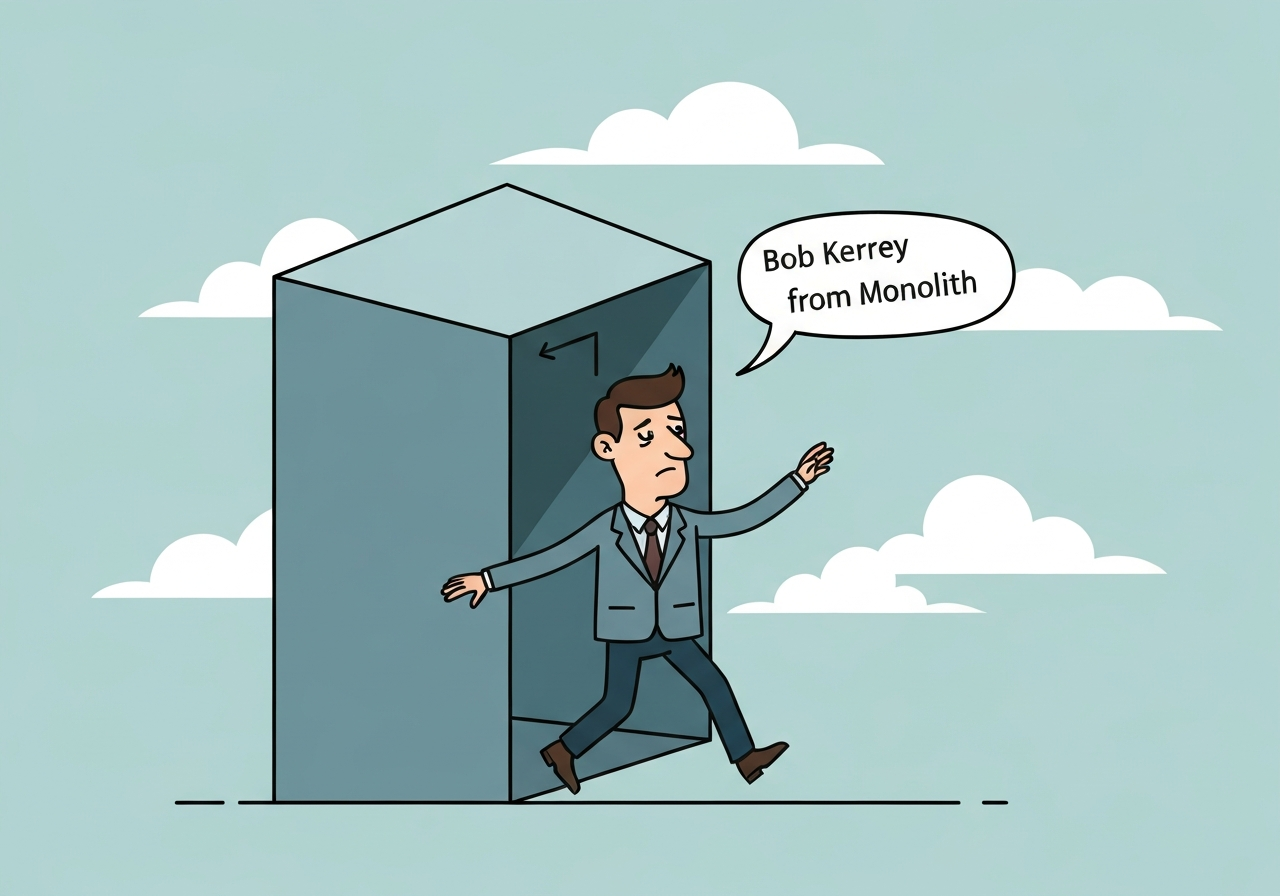
Former U.S. Senator Bob Kerrey resigned from the board of Nebraska clean-energy start-up Monolith after Department of Justice documents showed he met and exchanged emails with Jeffrey Epstein. The resignation, which Kerrey confirmed by text on Feb. 25, 2026, followed revelations in the released DOJ records about contacts that took place more than a decade ago. Kerrey said he stepped down because the disclosures could impede the company’s chances and added he would not defend the meetings.
Key Takeaways
- Bob Kerrey, 82, resigned from the board of Monolith after DOJ documents revealed meetings and email correspondence with Jeffrey Epstein dating from the 2010s.
- The meeting identified in reporting occurred in 2013, several years after Epstein’s 2008 guilty plea to solicitation of prostitution with a minor and before Epstein’s 2019 death.
- Kerrey confirmed the resignation by text on Feb. 25, 2026, saying he left because the revelations could “make it difficult for them to succeed.”
- Monolith, a Nebraska-based company, produces low-emission hydrogen and carbon black used in tires and other rubber products; the company did not respond to requests for comment.
- Kerrey served as a U.S. senator from 1989 to 2001, was Nebraska governor in the 1980s, ran for president in 1992, and led the New School in New York City from 2001 to 2010.
Background
The controversy around contacts with Jeffrey Epstein has continued to prompt scrutiny years after his 2008 guilty plea and his death in 2019 while awaiting federal sex-trafficking charges. Investigations and court filings in recent years have produced documents that have cast new light on who met or communicated with Epstein and when those interactions occurred.
Bob Kerrey is a long-established political and civic figure in Nebraska and nationally. He served a full term in the U.S. Senate from 1989 to 2001, was governor earlier in his career, and later took an academic leadership post at the New School. His role at Monolith had been chair of the board, a position he held for several years while the company developed low-emission hydrogen and carbon-black production.
Main Event
Department of Justice records released in February 2026 included correspondence that showed Kerrey had met and exchanged emails with Epstein. According to reporting, one meeting occurred in 2013. The documents themselves were part of a tranche of materials the DOJ made public in ongoing proceedings and review of Epstein-related records.
Kerrey confirmed on Feb. 25, 2026, that he resigned from Monolith on the preceding Friday. He told reporters and correspondents by text that he did not want the company to suffer over the fallout from the disclosures and explicitly said he would not mount a defense of his meetings with Epstein.
Monolith did not provide a public comment in response to requests for this article. The company continues to operate projects focused on producing hydrogen with lower emissions and manufacturing carbon black, which is used in tire and rubber production; Kerrey’s departure removes a longtime public figure from the company’s leadership roster.
Analysis & Implications
The immediate effect is reputational: associations with Epstein have prompted resignations and distancing across sectors over the past decade as new documents surface. For a capital-intensive start-up such as Monolith, leadership stability and investor confidence are critical; the appearance of controversy can slow fundraising and derail partnerships even absent any legal exposure.
Boards of directors now face sharper scrutiny of members’ past associations. Companies in the clean-energy and industrial materials space rely on both public and private capital, and investors increasingly weigh governance and reputational risk when deciding to commit funds. A high-profile resignation can trigger investor due diligence, renegotiation of terms, or a temporary pause in financing discussions.
Politically, Kerrey’s departure is unlikely to change his long-term standing among supporters who view his career through the lens of public service. However, the episode underscores how documents released in one legal context — here, DOJ materials — can have ripple effects across unrelated sectors, affecting businesses, academic institutions, and civic organizations where prominent figures serve.
Comparison & Data
| Year | Event |
|---|---|
| 2008 | Jeffrey Epstein pleads guilty to solicitation of prostitution with a minor. |
| 2013 | Reported meeting between Bob Kerrey and Jeffrey Epstein. |
| 2019 | Jeffrey Epstein dies while in federal custody awaiting sex-trafficking trial. |
| 2026 | DOJ documents released; Kerrey resigns from Monolith (confirmed Feb. 25, 2026). |
The timeline shows that the contacts occurred after Epstein’s 2008 conviction and years before his 2019 death, a sequence that factors into public and institutional assessments. While timing alone does not imply wrongdoing, it is a central element in how stakeholders evaluate reputational risk. For Monolith, a company operating in an industry where public trust and regulatory relationships matter, chronology will shape internal reviews and external messaging.
Reactions & Quotes
Kerrey’s public statements have been brief and centered on minimizing impact to Monolith. He issued two lines that he repeated to reporters and correspondents in confirming the resignation.
“I will offer no defense of my meetings with Jeffrey Epstein.”
Bob Kerrey
This remark was part of Kerrey’s wider explanation that he was stepping aside because the revelations would complicate the company’s prospects. He also acknowledged a change in his own view toward meeting Epstein when more information became known.
“If I knew then what I know now, I would not have said yes to a meeting.”
Bob Kerrey
No formal statement from Monolith was available at the time of reporting. Observers and stakeholders — from local civic leaders to potential investors — are now parsing the documents and Kerrey’s comments to judge any longer-term consequences for board composition and fundraising.
Unconfirmed
- The full content and context of the emails referenced in the DOJ documents have not been publicly disclosed and remain subject to review.
- There is no public evidence in the released records linking Kerrey to any illegal activity related to Epstein; no such allegations have been filed against him in these materials.
- Any direct business arrangements between Kerrey and Epstein beyond meetings and correspondence have not been substantiated in the publicly released documents.
Bottom Line
Bob Kerrey’s resignation from Monolith underscores how historical contacts revealed in legal disclosures can quickly become material to corporate governance and fundraising, even when those contacts occurred years earlier. For Monolith, the immediate priority will be stabilizing leadership and reassuring investors and partners about the company’s strategy and integrity.
More broadly, institutions that engage public figures as board members or advisers should expect continued scrutiny of archival records and be prepared to act to protect organizational interests. The coming weeks will show whether Kerrey’s departure is a one-off reputational containment step or the opening of broader scrutiny into how similar ties affect governance across sectors.
Sources
- The New York Times (reporting)