
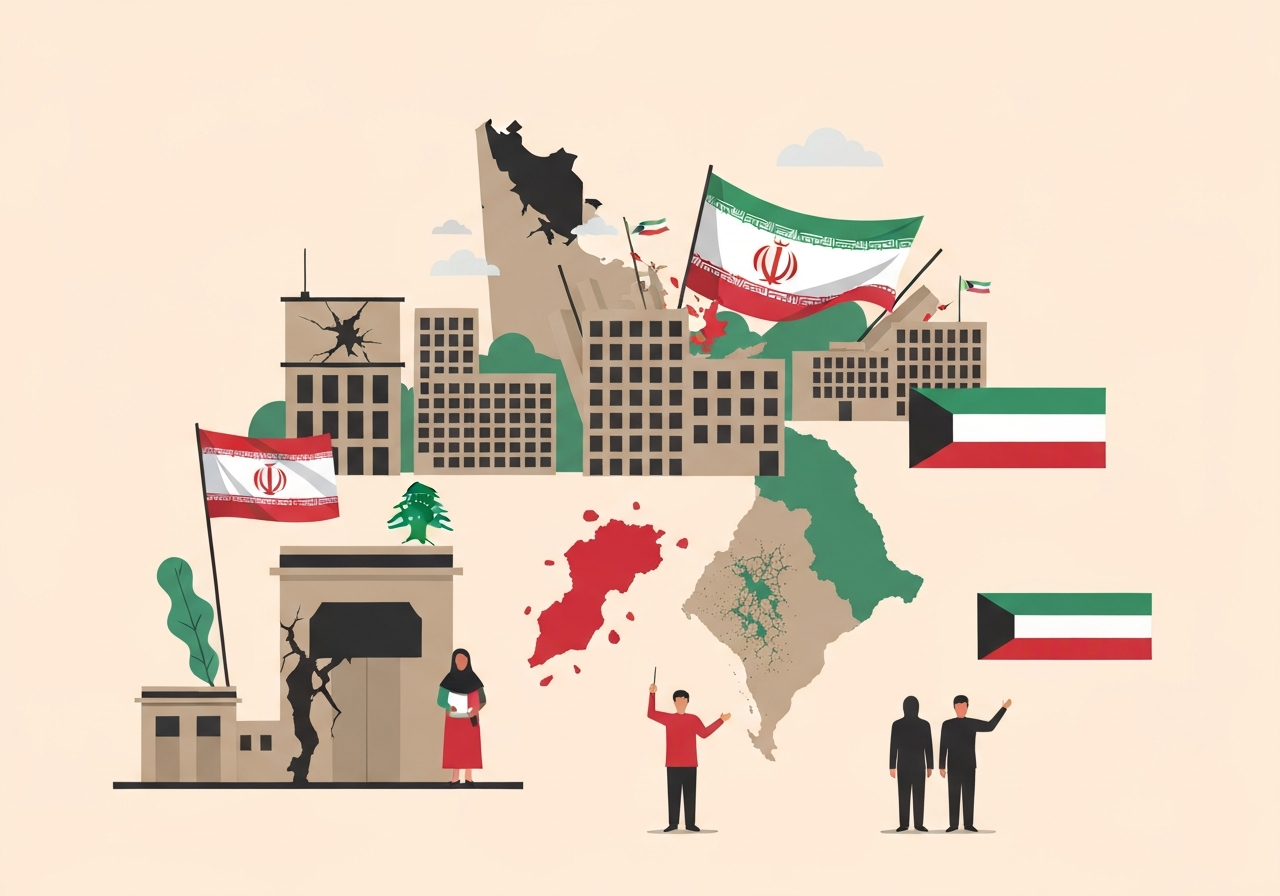
Lead: Since Saturday, a major escalation of U.S. and Israeli air operations against Iran has spread deadly clashes across the Middle East, with March 2, 2026 developments striking military and civilian targets in multiple countries. Iran has replied with drones and missiles launched at Israel, U.S. bases and regional allies, while Lebanon’s Hezbollah opened a separate front with Israel. Air travel, maritime traffic through the Strait of Hormuz and regional energy infrastructure have been severely disrupted, and hundreds of people — including civilians — have been reported killed in the strikes.
Key Takeaways
- U.S. and Israeli forces have carried out thousands of airstrikes across Iran since Saturday, March 1–2, 2026, according to reporting; those strikes reportedly killed several top Iranian officials and hundreds of other people.
- Iran has launched missiles and drones at Israel, U.S. bases in the region and allied states in the Persian Gulf, expanding the geographic scope of hostilities.
- Hezbollah and Israel exchanged strikes in Lebanon on March 2, opening an additional front and causing damage in suburbs south of Beirut.
- Energy markets reacted immediately: oil and natural gas prices rose as attacks targeted Gulf energy facilities and shipping slowed through the Strait of Hormuz, which handles about one-fifth of global oil shipments.
- Commercial aviation and regional airports experienced severe disruption as airspace closures and safety concerns spread across the Eastern Mediterranean and Gulf.
- Shipping through the Strait of Hormuz has slowed to a trickle, compounding supply-chain and insurance-cost pressures for global trade.
- Humanitarian risks are rising in affected countries as civilian infrastructure and military sites have both been damaged, increasing displacement and emergency needs.
Background
The confrontation traces to an intense American-Israeli campaign that began in late February 2026 and escalated to sustained air operations over Iran during the weekend of March 1–2. Officials and reporters describe the strikes as extensive, targeting military command centers, missile sites and other strategic infrastructure. Iran has long maintained a network of proxies and strategic depth across the Levant and Gulf; those ties help explain why retaliatory strikes have reached multiple countries.
Regional fault lines are decades old: rivalries between Iran and Israel, U.S. military presence across the Gulf and nonstate actors such as Hezbollah make escalation more likely to spill beyond initial targets. Prior incidents in the region have shown how quickly attacks on facilities or leadership can prompt reprisals, drawing in allied militaries and militias. Economic links — especially energy exports through the Strait of Hormuz — also create channels for global ripple effects.
Main Event
Beginning Saturday, U.S. and Israeli sorties struck targets inside Iran; reporting on March 2, 2026 states those strikes numbered in the thousands over a short period and caused substantial casualties, including among high-ranking officials. Iranian air defenses engaged incoming munitions while Tehran sought to retaliate with missile and drone launches aimed at Israeli territory and U.S. positions in the region.
On the same day, Lebanese territory saw renewed violence after Israeli aircraft struck suburbs south of Beirut, areas where Hezbollah maintains positions and support. Exchanges between Israel and Hezbollah included rocket and artillery fire as well as aerial activity, further destabilizing Lebanon’s already fragile security situation.
In the Persian Gulf, Iran targeted energy-related sites and shipping approaches; tankers delayed passage through the Strait of Hormuz, and several ports and offshore facilities reported interruptions. Airlines re-routed flights to avoid contested airspace, and multiple countries issued travel warnings for the eastern Mediterranean and Gulf corridors.
Analysis & Implications
Short-term impacts are clear: supply chains for oil and gas face immediate shocks, and insurance and freight costs will likely rise as carriers reroute or suspend sailings. Because about one-fifth of global oil normally transits the Strait of Hormuz, any prolonged slowdown could push fuel prices higher and increase volatility in energy markets.
Politically, the strikes deepen the risk of a wider regional war. Iran’s ability to project force by proxy — through groups like Hezbollah — means neighboring states may be drawn into localized fights even if they do not formally enter the conflict. Governments in the Gulf, Lebanon and beyond must now weigh responses that balance domestic security, alliance obligations and economic risk.
Militarily, the scale of aerial operations and counterstrikes demonstrates an intensification of force-projection capabilities from multiple actors. That raises questions about escalation management: whether international mediators can secure de-escalation and how sustained operations might alter basing, force posture and long-term regional deterrence calculations.
Comparison & Data
| Indicator | Recent Change |
|---|---|
| Reported airstrikes (since Mar 1–2, 2026) | Described in reporting as thousands across Iran |
| Civilian casualties | Hundreds reported, including noncombatants |
| Strait of Hormuz traffic | Passage slowed significantly; normally ~20% of global oil |
The table summarizes publicly reported metrics from early March 2026; available numbers remain fluid as assessments are updated. Even conservative disruptions in the Hormuz corridor reverberate through refinery feedstocks, shipping schedules and energy hedging markets, amplifying short-run price movements and uncertainty for national budgets dependent on export revenues.
Reactions & Quotes
“Deadly clashes have spread across the region as air and missile strikes continue,”
The New York Times (reporting)
The Times’ reporting framed the immediate human and infrastructural toll of the strikes, noting civilian deaths and cross-border exchanges.
“Maritime traffic through key Gulf chokepoints is slowing and markets are reacting to the heightened risk,”
The New York Times (reporting)
Market observers cited in reporting linked the strikes on energy facilities and the Strait of Hormuz to the surge in oil and gas prices and rising insurance costs for shipping.
Unconfirmed
- Precise tallies of fatalities and the identities of all high-ranking officials reportedly killed remain subject to confirmation by independent authorities.
- Attribution for some strikes in contested border areas has not been independently verified; rival parties have made competing claims.
- The duration and intensity of Iran’s follow-on campaign and whether additional regional states will be directly drawn in are presently uncertain.
Bottom Line
The March 1–2 escalation between U.S./Israeli forces and Iran has already spread violence beyond Iran’s borders, affecting Lebanon, the Gulf and international trade routes. Immediate humanitarian and economic consequences are substantial: civilian casualties, disrupted shipping through the Strait of Hormuz and higher energy prices.
Looking ahead, the situation creates real risks of prolonged regional destabilization unless diplomatic channels reduce the tempo of strikes and retaliations. Policymakers and market actors should prepare for a period of elevated volatility and prioritize verified reporting and humanitarian access as the crisis evolves.
Sources
- The New York Times — news outlet, March 2, 2026 reporting on the strikes and regional fallout