
Lead
On in the second half of the Bills-Steelers game, Buffalo took a 10-7 lead after defensive end Joey Bosa sacked Pittsburgh quarterback Aaron Rodgers and Christian Benford returned a forced fumble 17 yards for a touchdown. Rodgers, who began the game despite multiple fractures to his left wrist, left early in the third quarter after the play and appeared to be bleeding as he walked off. Mason Rudolph entered to start the Steelers’ second possession of the half, and the team had not released an injury update by kickoff of the next series. The sequence changed momentum and raised immediate questions about Pittsburgh’s quarterback depth for the remainder of the game.
Key Takeaways
- Bills lead 10-7 after a third-quarter turnover returned for a touchdown by Christian Benford (17 yards).
- Joey Bosa recorded the sack on the first play of the third quarter that forced the fumble.
- Aaron Rodgers started the game despite multiple fractures to his left wrist and exited early in the second half.
- Rodgers showed visible blood on his face as he left the field and appeared to be examining his right hand.
- Mason Rudolph replaced Rodgers to start Pittsburgh’s second offensive possession of the half and may remain as the primary passer.
- Pittsburgh had not provided an official status update on Rodgers immediately after the play or during the early portion of the half.
Background
Aaron Rodgers’ decision to start came after the team reported he had suffered multiple fractures to the left wrist prior to the game. The injuries had been a focal point of pregame coverage, with questions about his mobility and ability to grip the ball under contact. Pittsburgh elected to clear him to play, signaling either a medical tolerance for the risk or urgency to field their veteran quarterback in a meaningful matchup. The Bills entered the contest with a defensive lineup built to generate pressure, and Joey Bosa’s presence was expected to challenge a battered Steelers offensive front.
Historically, teams with quarterbacks playing through wrist or hand fractures face reduced passing efficiency and increased turnover risk. Pittsburgh’s depth behind Rodgers includes Mason Rudolph, who has starting experience and is the logical next man up when an injury forces a change. Buffalo’s defense, led by playmakers like Bosa and opportunistic DBs such as Christian Benford, has been effective at converting pressure into points in short-yardage and turnover situations. The timing—first play of the third quarter—amplified the swing since it immediately followed halftime adjustments.
Main Event
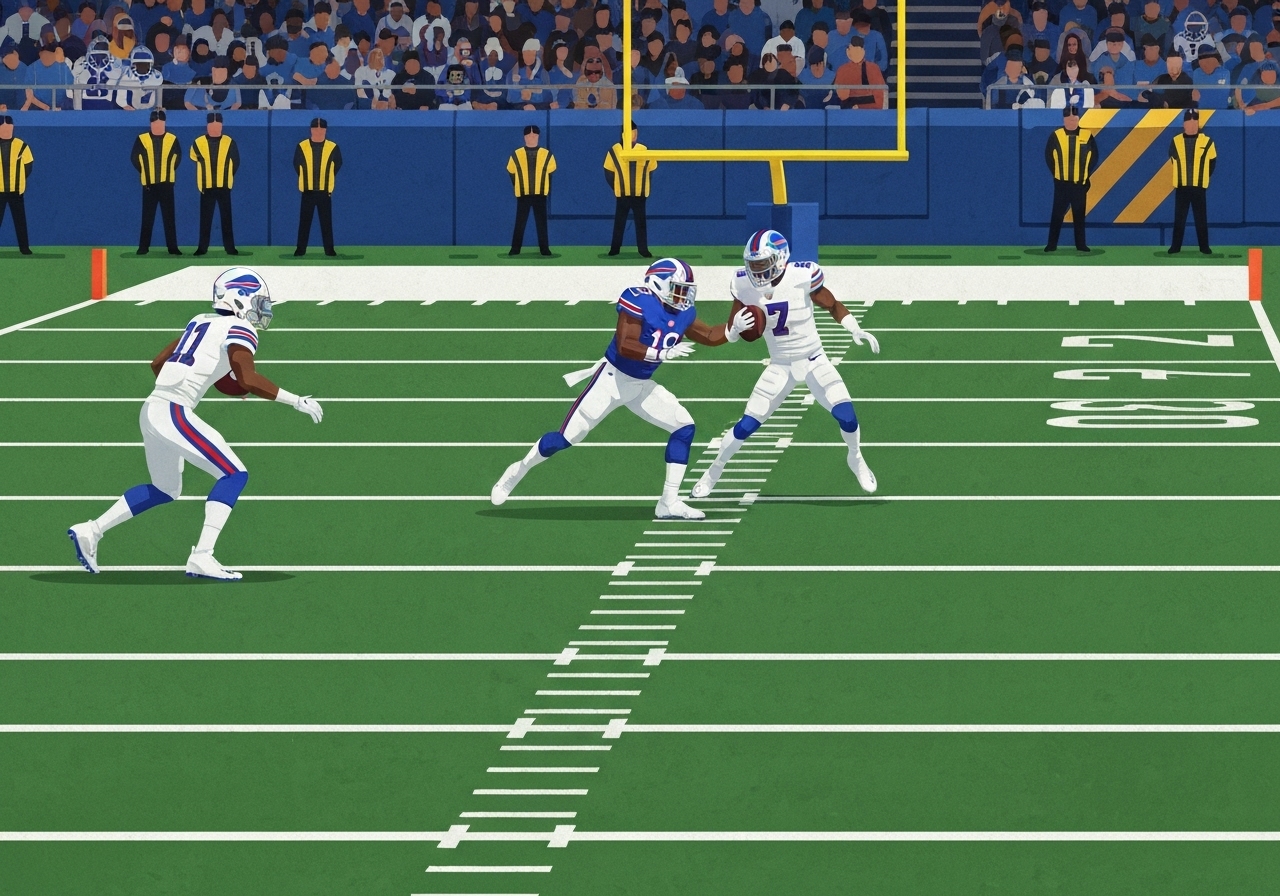
On the opening snap of the third quarter, Bills defensive end Joey Bosa beat his blocker and hit Aaron Rodgers, bringing him down and forcing a loose ball. Christian Benford recovered the fumble cleanly and rumbled 17 yards into the end zone for the game’s first touchdown, turning a 7-3 deficit into a 10-7 Buffalo advantage. The play was scored as a defensive touchdown and marked a sudden momentum shift in favor of Buffalo.
Rodgers remained on the ground after the hit and then walked to the sideline with visible blood on his face; television replays showed him looking at his right hand as he left the field. Medical staff and coaches escorted him off for evaluation rather than allowing him to remain with the team on the sideline. The Steelers quickly turned to Mason Rudolph, who was prepared to take the next offensive series.
Rudolph took the field to begin Pittsburgh’s second possession of the half, replacing their injured starter in live-game conditions. The quick switch tested the Steelers’ game plan and required immediate communication changes between the offensive line, receivers, and the new quarterback. Buffalo’s sideline showed a defensive surge, while Pittsburgh worked to establish rhythm with Rudolph under center.
Analysis & Implications
Short term, the injury to Rodgers and the ensuing turnover directly affected the scoreboard and momentum: a single defensive play produced seven points and handed Buffalo the lead. For Pittsburgh, losing a starting quarterback—even one playing with a compromised wrist—forces schematic and tempo adjustments. Rudolph’s entry changes protections, cadence, and likely increases reliance on short-to-intermediate passing and the run game to limit risk.
From a roster and season-management perspective, Rodgers’ fractured left wrist raises questions about Pittsburgh’s plans beyond this game. Multiple fractures typically require immobilization and a recovery timetable that could extend beyond a single week, depending on location and severity. The team’s medical staff will need imaging and specialist consultation to determine if surgery or protective bracing is required, which in turn affects availability.
For Buffalo, the play underscores the value of an aggressive pass-rush and turnover-oriented defense. Converting pressure into points is a high-leverage approach in close games; the Bills’ ability to score directly on defense relieved stress from their offense and put Pittsburgh on the back foot. League-wide, the sequence will remind teams that fielding quarterbacks with known, recent fractures can materially increase turnover and injury risk under contact.
Comparison & Data
| Item | Detail |
|---|---|
| Score after play | Bills 10 — Steelers 7 |
| Play | Bosa sack → Benford 17-yd fumble return TD |
| Rodgers status at exit | Left with visible blood; multiple left-wrist fractures known |
| Quarter | Start of 3rd quarter |
The table summarizes the immediate facts: a turnover converted to a defensive touchdown and an injured starter exiting early in the half. Those elements together produced the scoreline and strategic ripple effects described above. Coaches on both sides must now adapt game plans in real time based on personnel availability and risk tolerance.
Reactions & Quotes
“It may be Rudolph’s show the rest of the way.”
NBC Sports / ProFootballTalk (media)
“Benford scooped the loose ball and returned it 17 yards for a touchdown to give Buffalo the lead.”
NBC Sports / ProFootballTalk (media)
Both excerpts reflect early reporting on the play and its immediate outcome. Team officials had not issued a detailed medical update on Rodgers’ condition at the time those reports were filed, and media outlets focused on the turnover and quarterback change as the primary narratives.
Unconfirmed
- Exact medical diagnosis and whether surgery will be required for Rodgers’ left wrist fracture remains unreported.
- The expected timetable for Rodgers’ return to play has not been provided by the Steelers’ medical staff.
- Whether Rudolph will start the remainder of the game or if Rodgers could return later in the matchup is not confirmed.
Bottom Line
The third-quarter Bosa sack that led to a Benford 17-yard fumble return changed both the scoreboard and the personnel picture: Buffalo led 10-7 and Pittsburgh lost its veteran starter early in the half. Immediate effects included a momentum swing toward the Bills and an on-the-fly adaptation by the Steelers to insert Mason Rudolph.
Longer-term implications hinge on medical evaluation of Rodgers’ left wrist fractures. If the injury requires extended recovery or surgery, Pittsburgh must prepare for multiple games with Rudolph or alternative plans. For Buffalo, the play validated their defensive approach and could influence strategic aggressiveness in similar future matchups.
Sources
- NBC Sports / ProFootballTalk — media report summarizing the play and in-game developments.