
Lead
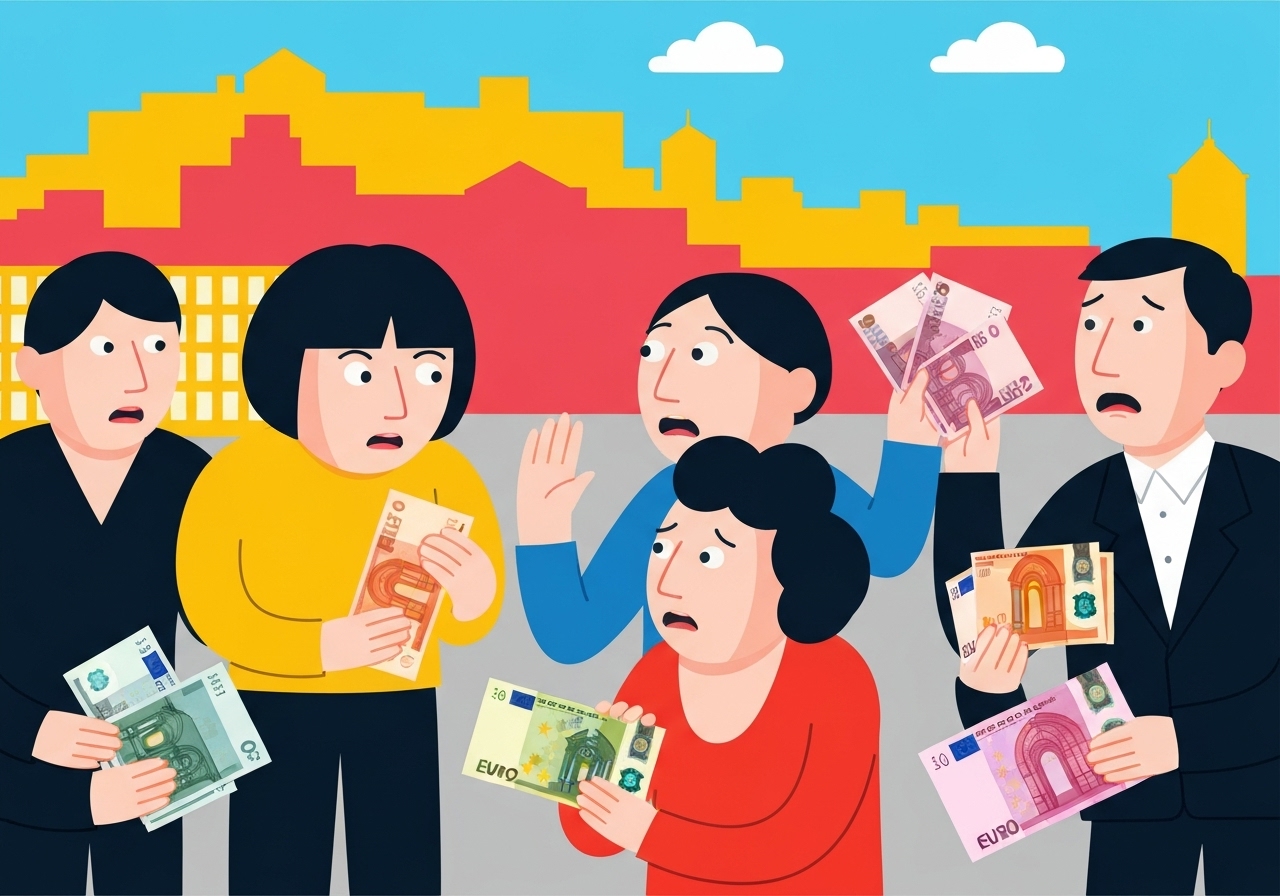
On 1 January 2026, Bulgaria became the 21st country to adopt the euro, a milestone reached nearly 20 years after the Balkan state joined the European Union in 2007. The handover at midnight replaced the lev with the euro as crowds gathered in Sofia while Bulgarian euro designs were projected onto the central bank building. Officials and some citizens celebrated the move as a step toward deeper EU integration and stronger investor confidence, but many residents voiced concerns about price rises, access to cash and the political implications ahead of repeated elections. The change has produced an immediate mix of cheers, practical frictions and political debate across the country of 6.4 million people.
Key takeaways
- Bulgaria officially joined the eurozone on 1 January 2026, becoming the 21st member and expanding the number of euro users to over 350 million.
- Population: approximately 6.4 million; EU membership since 2007 — the euro adoption comes nearly two decades later.
- Public opinion remains split: the latest Eurobarometer showed 49% of Bulgarians opposed to the switch.
- Food prices in Bulgaria rose 5% year-on-year in November, which officials and shopkeepers say fuels worries that euro adoption could be linked to higher consumer costs.
- Political context: anti-corruption protests in mid-December toppled a conservative-led government and the country faces its eighth election in five years.
- Officials argue the euro will boost market transparency, cross-border travel and investor confidence; some economists highlight potential long-term gains in borrowing costs and credibility.
- Practical frictions reported include shortages of euro starter packs for businesses and complaints from consumers about short-term price rounding and access to euro cash.
Background
Successive Bulgarian governments have pursued euro adoption as a long-term policy objective, viewing the single currency as a way to anchor the economy, attract investment and deepen ties with the EU. The lev has been in use since the 18th century and, under a currency-board arrangement, has been tightly linked to the euro for years—making formal accession a technical as well as political step. Many policymakers say joining the eurozone completes a long process of integration that began with EU accession in 2007 and aims to reduce perceived vulnerability to external political pressure.
Public attitudes toward the euro have been mixed. Surveys over recent years and a visible protest campaign in 2025, driven in part by nationalist and far-right parties, tapped into concerns about prices and sovereignty. At the same time, business leaders and some economists argued eurozone membership would lower perceived currency risk, potentially improving the country’s credit profile and investor interest. The mix of celebration and apprehension reflects both the symbolic meaning of the euro and immediate practical questions about living costs and political accountability.
Main event
The formal switch took place at midnight on New Year’s Day: Bulgarian euro coins were projected onto the facade of the central bank in Sofia, while crowds—some braving sub-zero temperatures—gathered to mark the moment. President Rumen Radev described the move as a “final step” in European integration but stressed regret that adoption was not put to a national referendum, framing that omission as a symptom of the gulf between political elites and parts of the public.
European leaders welcomed the accession. European Central Bank President Christine Lagarde called Bulgaria’s entry a “powerful symbol” of shared values, and European Commission President Ursula von der Leyen said the change should ease travel and trade and improve market transparency. At the same time, outgoing Prime Minister Rosen Zhelyazkov asked citizens and businesses for patience, arguing that inflation trends in Bulgaria were not caused by the euro switch.
On the streets and in markets, traders and shoppers found prices displayed in both levs and euros; some vendors reported implementing new euro price lists immediately. There were reports that some businesses had yet to receive starter packs of euro coins and banknotes, complicating small transactions for a period. Individual reactions ranged from relief—”Great! It works!” said a man after withdrawing €100—to caution from economists and small business owners worried about short-term price adjustments.
Analysis & implications
Economists say the medium- to long-term effects of euro adoption are likely to be structural: a common currency can reduce exchange-rate risk, lower transaction costs for trade and investment, and potentially broaden the investor base for sovereign and corporate debt. Petar Ganev, a senior research fellow at the Institute for Market Economics, noted that the move could improve confidence in the currency and make Bulgarian debt more attractive to investors, which over time might translate into lower borrowing costs.
However, adopting the euro does not eliminate domestic fiscal and structural challenges. Bulgaria faces elevated food inflation—5% year-on-year in November—and political instability that has led to frequent elections. Those domestic pressures will continue to shape living standards and investor sentiment regardless of currency. Short-term price adjustments driven by rounding, re-pricing or realignments in retail margins could deepen public anxiety if not managed transparently.
There are also potential implications for credit ratings and investor perceptions. Some credit-rating assessments have treated Bulgaria’s currency-board arrangement as a constraint; removing the lev as a national currency might change how agencies assess exchange-rate risk, but any upgrade would depend on fiscal policy, governance and political stability as much as the currency itself. On the geopolitical front, officials argue euro adoption strengthens Bulgaria’s orientation toward the EU and the West, which proponents say reduces exposure to external influence, but this strategic effect will be judged over years rather than weeks.
Comparison & data
| Year / Event | Notes |
|---|---|
| 2002 | Euro introduced physically in 12 EU countries on 1 January 2002 |
| 2023 | Croatia joined the eurozone (most recent prior enlargement) |
| 2026 | Bulgaria becomes the 21st eurozone member on 1 January 2026 |
| Today | More than 350 million people use the euro across the EU |
The table above places Bulgaria’s accession in the broader history of the euro. The country’s immediate experience will be shaped by existing inflation trends—food prices rose 5% year-on-year in November—and by how quickly businesses and consumers adapt to dual pricing and cash circulation in euros. Comparisons with prior adopters show that short-term price worries are common, but outcomes vary depending on national policy responses and market structure.
Reactions & quotes
Key officials and actors offered measured reactions, reflecting the divided public mood and the political backdrop.
I warmly welcome Bulgaria to the euro family; the euro is a powerful symbol of shared values and collective strength.
Christine Lagarde, European Central Bank (official)
Lagarde’s comment framed the change as a union-building step, emphasizing symbolism and institutional benefits rather than immediate economic fixes.
The move is the final step of our EU integration, but I regret that the people were not consulted by referendum.
Rumen Radev, President of Bulgaria (official)
President Radev combined praise for accession with a critique of the political process, linking the lack of a referendum to broader distrust between citizens and political elites.
Great! It works!
Dimitar, 43-year-old Sofia resident (citizen)
Such spontaneous reactions captured the practical relief some felt when euro cash became available; others voiced skepticism about timing and future costs.
Unconfirmed
- That the introduction of the euro is the sole or primary cause of recent price rises in Bulgaria—price dynamics reflect multiple domestic and international factors and a direct causal link remains unproven.
- Widespread, systemic shortages of euro starter packs across the entire country—reports of shortages exist, but comprehensive verification of nationwide distribution problems is incomplete.
- That holding a referendum would have produced a different political outcome—how a referendum would have affected public trust or policy choices is hypothetical and not empirically settled.
Bottom line
Bulgaria’s accession to the eurozone on 1 January 2026 is both symbolic and practical: it cements a long-standing policy objective of deeper EU integration while altering the concrete terms of daily transactions and financial markets. For policymakers and markets, the key benefits cited are greater transparency, reduced currency risk and potential improvements in investor confidence; for many citizens, the central concern remains the short-term impact on prices and purchasing power.
The country’s near-term trajectory will depend on how officials manage the practical rollout—price monitoring, distribution of cash, and clear communication—and on the broader political environment, which continues to be shaped by protests and repeated elections. Over the medium term, evidence from other adopters suggests potential gains in credibility and investor interest, but those gains are not automatic and will require sound fiscal management and strengthened governance.