
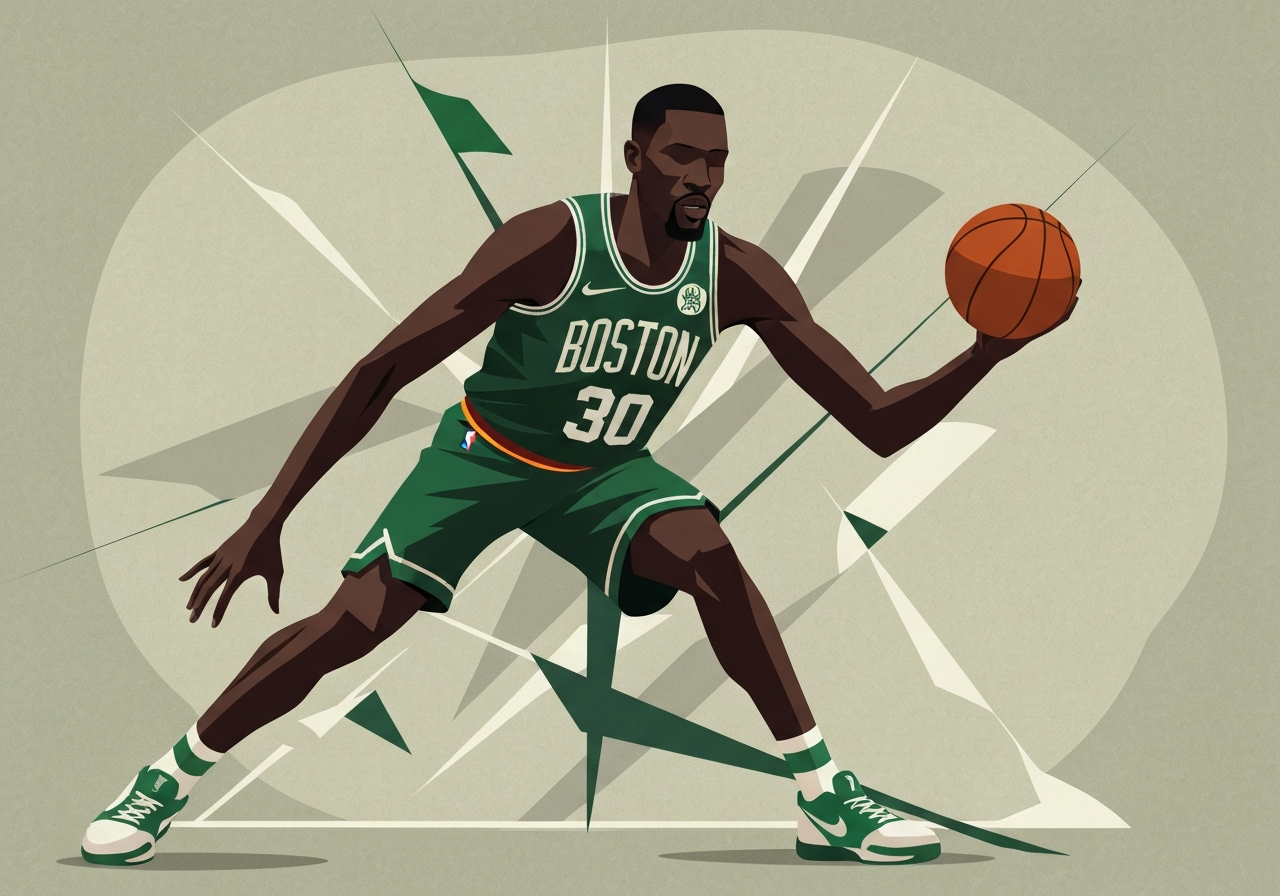
Lead: The Cleveland Cavaliers were overwhelmed by the Boston Celtics on Sunday in Cleveland, losing 109-98 at Rocket Arena and completing a Boston regular-season sweep. The defeat—Cleveland’s third loss to Boston this season—left the Cavs searching for answers after a second-quarter collapse and a game-long struggle to match Boston’s efficiency. Donovan Mitchell led Cleveland with 30 points in his return from a four-game absence, but the Cavs never recovered from a 20-point halftime deficit. The result underlined a gap between Cleveland and the Eastern Conference elite as the regular season moves toward its final stretch.
Key Takeaways
- Final score: Celtics 109, Cavaliers 98; Boston completed a season sweep of Cleveland (3-0).
- Cleveland produced just 10 points in the second quarter, shooting 4-of-25 and 0-of-12 from three in that stanza.
- Team stats favored Boston: rebounds 49-42, second-chance points 11-10, three-pointers 15-13, bench points 41-13.
- Donovan Mitchell scored a game-high 30 points on 9-of-18 shooting; Evan Mobley added 24 points and 8 rebounds.
- James Harden finished with 19 points and 10 assists; starting center Jarrett Allen did not play due to a minor knee issue.
- Jaylen Brown scored 23 and Jayson Tatum added 20 in his second game back from Achilles surgery.
- Boston led for nearly 42 minutes, with just one lead change and two ties in the game.
Background
The Cavaliers entered the matchup aware that Boston presents a difficult strategic and personnel challenge. The Celtics, widely viewed as one of the league’s elite teams, combined depth, playoff experience and renewed momentum after the return of Jayson Tatum from Achilles surgery. Cleveland’s coaching staff called a brief four-day mini break earlier in the week, followed by a final practice, but Coach Kenny Atkinson publicly acknowledged Boston’s pedigree and the difficulties it poses.
Historically the Celtics’ defensive discipline and opportunistic offense have given opponents trouble, and this season Boston extended that trend against Cleveland. The Cavs have added high-profile pieces, including James Harden at the trade deadline, with championship aspirations; yet regular-season matchups against Boston have consistently exposed gaps in consistency, perimeter defense and late-game execution. Those vulnerabilities have been magnified when Cleveland loses its starting center presence.
Main Event
Cleveland opened on a positive note, scoring the first seven points and building an early 11-3 lead at the 8:53 mark of the first quarter. Boston adjusted quickly, used a timeout to regroup and erased the advantage within minutes before taking the lead for good. The game swung decisively in the second quarter, when Cleveland managed only 10 points and missed all 12 of its three-point attempts in the period.
By halftime the Cavs trailed by 20 and received a mixed reaction from the home crowd. Boston pressed the advantage in the third quarter, expanding the margin to a game-high 26 points late in that frame. Cleveland, however, battled back with more aggressive offense and tightened defense to reduce the gap; the deficit was 17 entering the fourth quarter and fell as low as eight midway through the final period.
The Cavs never closed the gap beyond those comeback stretches. Boston’s veteran core made timely plays down the stretch, preventing a late Cleveland rally from turning into a comeback win. Statistically the Celtics controlled boards and bench scoring, while Cleveland’s role players were unable to match Boston’s depth. The loss sealed a 3-0 regular-season sweep by Boston and left Cleveland with questions about whether it can reach the Celtics’ level before the playoffs.
Analysis & Implications
Sunday’s result highlights a recurring pattern: when Cleveland falls into a large early deficit against elite opponents, it struggles to recover. The second-quarter offensive collapse (4-of-25 shooting) was the decisive turning point, revealing both shot-selection problems and perimeter shooting volatility. Against a disciplined team like Boston, those stretches become difficult to overcome because the opponent can control tempo and exploit mismatches.
Depth and bench production were decisive. Boston’s bench outscored Cleveland’s 41-13, supplying rest and momentum for starters while Cleveland’s reserves offered limited offensive lift. For Cleveland to narrow the gap with top Eastern teams, the Cavs will need more consistent contributions from reserves and cleaner decision-making in half-court sets. James Harden’s 10 assists show creation is present; converting more of those chances is the next step.
Health and lineup availability matter. Jarrett Allen’s absence removed Cleveland’s primary interior anchor, affecting rebounding and rim protection; the team’s 42 rebounds illustrate the drop-off. Conversely, Boston’s reintegration of Jayson Tatum—now at 20 points in his second game back—strengthens a roster already deep with high-end scorers. Those personnel differentials suggest the Cavs must both shore up interior defense and increase shooting efficiency to compete for seedings and a deep playoff run.
Comparison & Data
| Category | Celtics | Cavaliers |
|---|---|---|
| Score | 109 | 98 |
| Rebounds | 49 | 42 |
| Second-chance points | 11 | 10 |
| 3-point makes | 15 | 13 |
| Bench points | 41 | 13 |
The boxscore underscores why Boston controlled the game: better rebounding, a productive bench and edge in shooting efficiency across the board. Cleveland’s rare second-quarter drought (0-of-12 from three) created a deficit that matched little else in the matchup. Over the season, games like this expose how matchups and depth differentials compound, particularly against teams with championship experience and returning core players.
Reactions & Quotes
Coach Kenny Atkinson reviewed the performance with candor, pointing to energy and decision-making as areas that fell short in the first half and ultimately cost the team.
“I thought our energy and force was below average in the first half… Give them credit. I thought they made all the big plays.”
Kenny Atkinson, Cavaliers head coach
James Harden, reflecting on the gap between Cleveland and Boston, framed the deficit as both a challenge and a target for improvement over the remaining regular-season games.
“That’s the level that we gotta get to, Boston… Got 18 games to get there, and I know we will.”
James Harden, Cavaliers guard
Unconfirmed
- Exact timetable for Max Strus’s return and how his presence will alter rotation minutes remains unconfirmed.
- The long-term implications of Jarrett Allen’s reported minor knee issue have not been publicly detailed and remain unconfirmed.
Bottom Line
Sunday’s 109-98 loss made clear that Cleveland, even with star talent and recent roster upgrades, still trails Boston in execution, depth and consistency. A 20-point halftime deficit and a 41-13 bench scoring gap are the sorts of statistical imbalances that typically favor the more complete team in a playoff series. The Cavs showed resilience by trimming the lead in the fourth quarter, but they lacked the sustained shot-making and interior control to complete a comeback.
With approximately 18 regular-season games remaining, Cleveland’s roadmap is straightforward but difficult: improve bench scoring, stabilize perimeter shooting and ensure interior defense with Allen’s availability. Those adjustments will determine whether the Cavs can close the competitive distance with the conference’s top teams before postseason seeding is settled.