
Lead
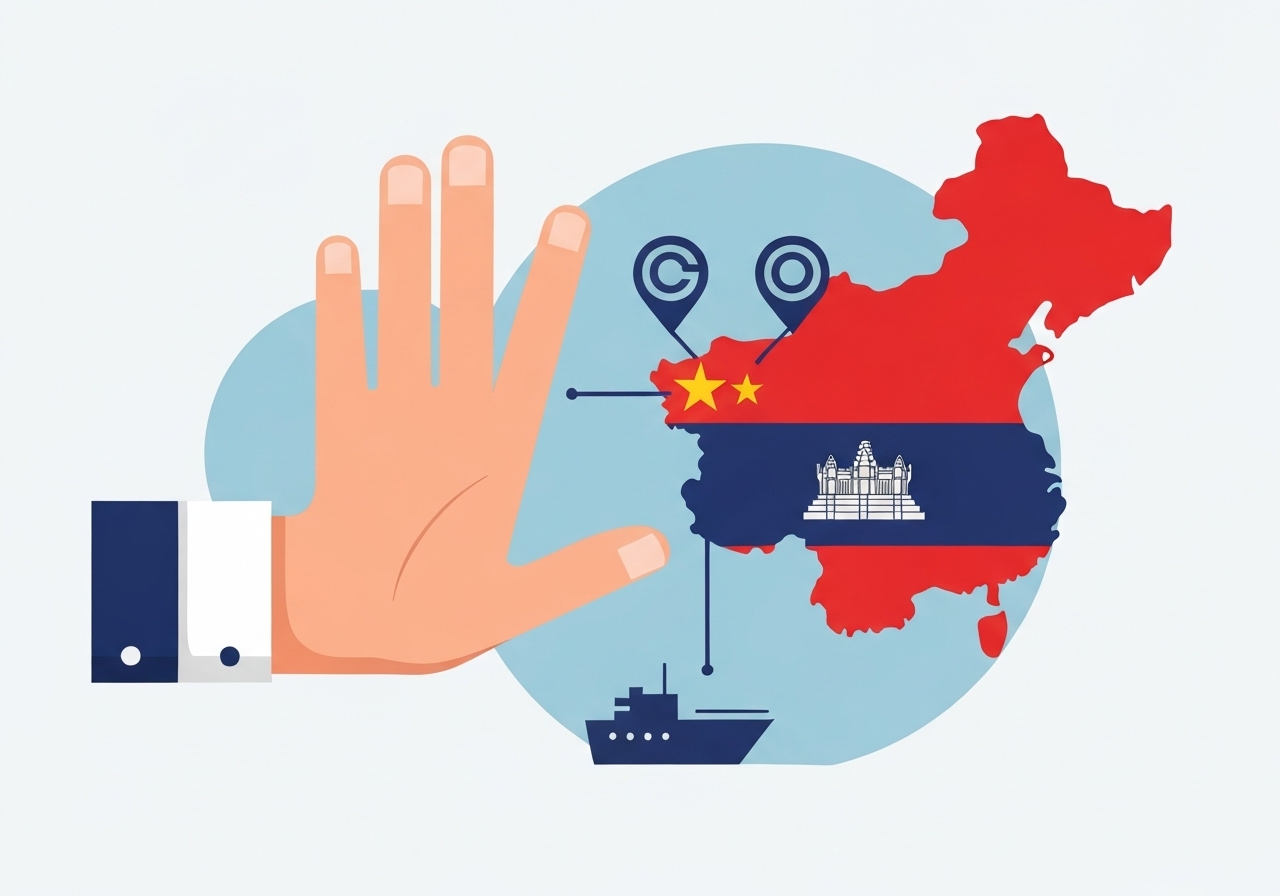
Cambodia says it has arrested and extradited billionaire businessman Chen Zhi to the People’s Republic of China after a joint investigation that led to the detention of three Chinese nationals on 6 January. Chen, 37 and born in south‑east China, has been accused by US authorities of running large-scale internet scams from Cambodia and was indicted in October on fraud and money‑laundering charges tied to billions of dollars in cryptocurrency. The US Treasury has said it seized about $14 billion worth of bitcoin alleged to belong to Chen; Cambodia revoked his Cambodian nationality by royal decree last month. Cambodian officials provided few operational details about where he was held before the transfer to China.
Key Takeaways
- Chen Zhi, aged 37, was among three Chinese nationals arrested on 6 January and later extradited to China, according to Cambodia’s interior ministry statement.
- The US charged Chen in October with running internet scam operations from Cambodia that prosecutors say stole billions in cryptocurrency; the US Treasury says it seized roughly $14bn in bitcoin linked to him.
- Cambodia revoked Chen’s Cambodian citizenship by royal decree last month; he had taken Cambodian nationality in 2014 after renouncing Chinese citizenship.
- Authorities named the other two detainees as Xu Ji Liang and Shao Ji Hui; all three were reportedly transferred to Chinese custody following the arrests.
- The Prince Group, the conglomerate tied to Chen, has denied involvement in scams on its website and lists property, financial and consumer businesses among its holdings.
- Chinese law‑enforcement agencies have reportedly investigated the Prince Group since at least 2020, with Beijing officials describing it as a transnational gambling and fraud network.
- The UN and multiple agencies warn that scam compounds in Southeast Asia have relied on trafficked workers forced to run online fraud schemes, often targeting victims in China and abroad.
Background
Over the last several years, Southeast Asia has seen a rapid proliferation of criminal networks operating so‑called scam farms: compounds where trafficked workers are held and coerced into running online fraud and telemarketing operations. Victims of these operations are often pressured with threats, violence or torture to deceive strangers into sending money or cryptocurrency. The United Nations has estimated that hundreds of thousands of people have been trafficked into the region for such schemes, with Cambodia identified as one of the hotspots.
Chen Zhi emerged as a high‑profile figure in this landscape through the Prince Group, a conglomerate based in Cambodia that grew a broad regional footprint across real estate, finance and consumer services. International investigators and some governments have accused the group of using legitimate business fronts to shield a large criminal enterprise. Chinese authorities reportedly opened inquiries into the group from 2020, while US and UK sanctions and criminal charges followed in 2023.
The allegations against Chen and the Prince Group stretched beyond fraud to involve money‑laundering and transnational coordination, prompting coordinated action by multiple states. Cambodia’s political and commercial elite have long-standing ties with major foreign investors and business figures; analysts have said those relationships complicated early attempts to scrutinize Prince Group activities.
Main Event
On 6 January, Cambodian authorities said a joint investigation—described as lasting several months—led to the arrest of three Chinese nationals, naming Chen Zhi, Xu Ji Liang and Shao Ji Hui. Phnom Penh’s interior ministry later announced that the three had been transferred to the custody of the People’s Republic of China. The ministry’s public statement did not specify the location of detention prior to handover or the legal basis publicly invoked for the extradition.
The action follows a US indictment filed in October that accuses Chen of running online scams from Cambodia which defrauded victims globally and involved forced labor. The US Treasury Department, in parallel sanctions and asset‑tracking operations, has said it identified and seized about $14bn in bitcoin allegedly linked to Chen and associated accounts—described by US prosecutors as one of the largest financial takedowns in history.
Prince Group has publicly denied involvement in criminal scams in prior statements and its corporate materials list a range of legitimate ventures. Cambodian officials have so far made limited public comment beyond the arrest and transfer notice, and they urged foreign authorities to ensure evidence was sufficient when raising allegations against the group.
Chen gave up his Chinese nationality before taking Cambodian citizenship in 2014; authorities say his Cambodian nationality was revoked by royal decree last month. Observers note the diplomatic, legal and operational complexity of moving a high‑profile suspect between jurisdictions that have overlapping claims and investigations.
Analysis & Implications
The extradition and arrests carry immediate legal and geopolitical consequences. For China, taking custody of alleged principals enables domestic prosecution under Chinese law and signals Beijing’s willingness to act on transnational fraud affecting its citizens. For the US and UK—both of which have charged or sanctioned Chen and the Prince Group—China’s move may complicate ongoing asset‑recovery and criminal proceedings or prompt diplomatic engagement to coordinate evidence sharing and parallel prosecutions.
Economically, the legal disruption to Prince Group and affiliated businesses could reverberate in Cambodia, where law‑enforcement sources and analysts have estimated that scam‑related activity constitutes a significant portion of informal earnings in some areas. If prosecutions lead to asset freezes or corporate seizures, employees, contractors and local economies could face immediate shocks, while victims may have a pathway to restitution depending on intergovernmental cooperation.
The case also underscores enforcement challenges for cryptocurrency‑linked crime. The alleged $14bn bitcoin seizure cited by US authorities is notable for scale; recovering and repatriating digital assets involves complex tracing, legal hurdles and coordination across exchanges and custodians. Successful cross‑border cooperation on such seizures can set precedents for future cases but also exposes gaps in international cybercrime protocols.
Politically, Cambodia’s role will be scrutinized. Longstanding ties between powerful business figures and political elites can slow or shape investigations; Cambodia’s partial public posture and limited disclosure raise questions about what leverage or negotiations preceded the transfer. Observers will watch whether the move reflects a broader shift in Phnom Penh’s approach to transnational crime under international pressure.
Comparison & Data
| Event | Detail |
|---|---|
| Arrests | 6 January — Chen Zhi, Xu Ji Liang, Shao Ji Hui |
| US indictment | Filed October (year of indictment: as reported) |
| Bitcoin seized (US Treasury) | About $14 billion |
| Chen’s age | 37 years old |
| Nationality change | Renounced Chinese nationality and became Cambodian in 2014; Cambodian nationality revoked last month |
The table above summarizes the concrete dates and figures reported so far. While the bitcoin seizure figure and dates are cited from US and media statements, the detailed disposition of assets and timelines for prosecution remain subject to court filings and intergovernmental agreements. Any comparative assessment should account for parallel investigations by Chinese, US, UK and Cambodian authorities.
Reactions & Quotes
Cambodian authorities released a concise statement announcing arrests and transfer; their restraint in public detail has prompted calls for greater transparency from international observers and victim‑advocacy groups. Analysts say that the move to extradite suspects to China reflects Beijing’s interest in domestic prosecution of crimes that largely target Chinese citizens.
“We arrested three Chinese nationals namely Chen Zhi, Xu Ji Liang, and Shao Ji Hui and extradited [them] to the People’s Republic of China.”
Cambodia Interior Ministry (official statement)
Investigative journalists who have tracked Prince Group stress the scale of the alleged operation and its cross‑border reach. Their reporting highlights how a corporate empire can mask illicit networks and complicate early detection.
“The sheer scale of his operations really makes Chen Zhi stand out,”
Jack Adamovic Davies (investigative journalist)
Beijing authorities previously described the Prince Group as a major transnational syndicate in their internal tasking documents, a designation that justified sustained investigative attention inside China ahead of the arrests and transfer.
“A major transnational online gambling syndicate based in Cambodia,”
Beijing Municipal Public Security Bureau (task force description)
Unconfirmed
- Precise detention locations in Cambodia prior to transfer have not been publicly disclosed and remain unconfirmed.
- Whether the extradition followed direct requests from China, negotiated arrangements with the US/UK, or a separate Cambodian legal process has not been clarified in public statements.
- Estimates that scam‑related businesses account for around half of the Cambodian economy are cited by some analysts; the exact methodology and scope of those estimates are not publicly verified.
Bottom Line
The arrest and extradition of Chen Zhi mark a major development in a case that connects alleged large‑scale online fraud, human trafficking and one of the biggest cryptocurrency asset seizures reported by US authorities. The operational and legal aftermath will depend on how China, the US, the UK and Cambodia coordinate prosecutions, evidence sharing and asset recovery.
For victims, investigators and policy makers, the case underscores the need for stronger cross‑border mechanisms to protect trafficked persons, trace illicit financial flows and hold corporate networks accountable. Watch for court filings, official prosecutorial statements and any bilateral agreements that clarify jurisdiction, charges and plans for handling seized assets.
Sources
- BBC News (international news outlet) — original reporting on arrests, extradition and related statements.