
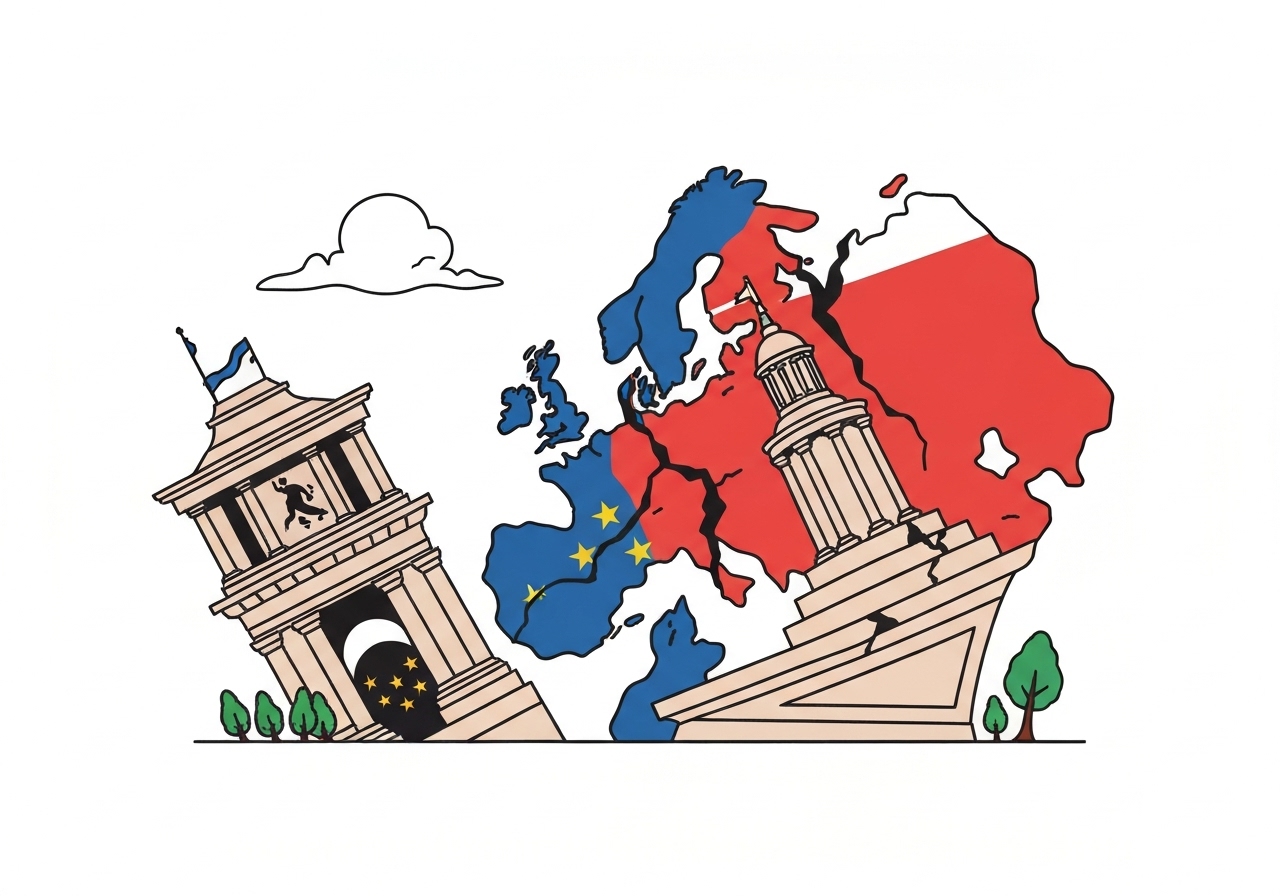
Lead: On 5 December 2025, the White House published a 33-page National Security Strategy that warns Europe could face “civilisational erasure” within two decades because of migration and EU policy trends. Signed with an introduction by President Donald Trump, the document calls for the United States to “cultivate resistance” inside European countries and signals explicit sympathy for European far‑right parties. It frames the US interest as both defending American primacy and encouraging a revival of national identities across the continent. European officials swiftly pushed back, saying domestic social and political questions should be handled at home.
Key takeaways
- The document, released by the White House on 5 December 2025, runs 33 pages and carries a signed introduction from President Donald Trump.
- It argues Europe could be “unrecognisable in 20 years or less,” citing migration, EU policies, censorship and loss of national identities as drivers.
- The paper directs US policy to “cultivate resistance” within Europe, urge European nations to take primary responsibility for defence, and open markets to US goods.
- Language in the report parallels elements of the “great replacement” theory by asserting some NATO members may become “majority non‑European” within a few decades.
- Officials in Berlin, led by Foreign Minister Johann Wadephul, rejected US interference on questions of free expression and domestic governance.
- The document praises the rising influence of patriotic and nationalist parties in several EU states and interprets that trend as strategically positive for US interests.
- It urges an expedited cessation of hostilities in Ukraine, arguing US and European officials differ over realistic expectations for the war’s duration and outcome.
- The paper balances clear security and economic interests—calling Europe “strategically and culturally vital”—with an advocacy strand that aligns with right‑wing domestic politics in parts of Europe.
Background
National security strategies typically set broad themes for a presidency; this one blends classical security priorities with partisan cultural and political prescriptions. For decades US policy documents have emphasised transatlantic defence, trade and diplomatic cooperation. What is new here is the degree to which cultural arguments—national identity, migration and public speech—are foregrounded as items for US strategic intervention in allied democracies.
The past decade has seen sustained electoral gains for nationalist and populist parties across parts of Europe, driven in part by economic dislocation, migration debates and backlash against perceived EU overreach. The so‑called “great replacement” idea has circulated in fringe and mainstream political debates and is widely criticised by scholars and human‑rights groups as conspiratorial and racist. At the same time, debates over Ukraine, Russia and defence spending have amplified fault lines between capitals and between European publics and their governments.
Main event
The December 5, 2025 document portrays Europe as economically declining and culturally insecure, and it lists specific policies it says undermine political liberty: EU regulations, migration rules, restrictions on expression and limits on political competition. It then prescribes US actions to counter those trends, including promoting nationalist parties’ revival, nudging allies toward market openings for US exports, and encouraging European states to assume primary responsibility for their defence.
Signed by President Trump, the strategy contrasts with traditional US public diplomacy by endorsing, in effect, political currents typically identified with Europe’s far right. The paper states Washington should “stand up for genuine democracy, freedom of expression and unapologetic celebrations of European nations’ individual character and history,” language framed as support for patriotic European parties.
German Foreign Minister Johann Wadephul responded that while Germany values the US security alliance, “questions of freedom of expression or the organisation of our free societies” are domestic matters. His office emphasised that Berlin does not welcome external advice on internal democratic processes. The German reaction highlights the diplomatic friction the document produced soon after publication.
The strategy also addresses the war in Ukraine, calling an expedited cessation of hostilities a US core interest and suggesting some European governments hold “unrealistic expectations” for the conflict. It asserts that a “large European majority” wants peace but that this preference is not always translated into policy, attributing that gap to democratic subversion by certain governments.
Analysis & implications
First, the paper marks a shift in how the United States frames its relationship with allies: from collective defence and trade to active promotion of cultural and political change within partners. That pivot risks eroding trust with European governments that see such interventions as breaches of sovereignty. Diplomatically, the immediate effect is tension between Washington and capitals that value autonomy on social policy and governance.
Second, the strategy’s rhetoric overlaps with elements of the “great replacement” narrative. While the document couches demographic concerns in geopolitical terms, its language about “majority non‑European” populations and “civilisational erasure” will alarm minority communities and human‑rights advocates and could legitimise xenophobic currents in domestic politics across Europe.
Third, the security implications are mixed. On one hand, the paper reaffirms that the US needs a strong Europe as a partner against geopolitical rivals and calls for increased European defence responsibility. On the other, encouraging political realignments in allied democracies may weaken the liberal democratic consensus that underpins NATO and transatlantic cooperation—especially if European governments react by distancing themselves from Washington.
Finally, the document’s economic prescriptions—pressuring Europe to open markets to US goods and services—signal a transactional approach to alliances. That may produce short‑term commercial gains for US firms but could provoke protectionist or populist backlash in Europe if perceived as cultural imperialism rather than mutual economic partnership.
Comparison & data
| Item | Document claim / wording |
|---|---|
| Length and release | 33‑page strategy, released 5 December 2025 by the White House |
| Time horizon | Predicts Europe could be “unrecognisable in 20 years or less” |
| Policy directives | Calls to “cultivate resistance” in European nations and to open markets to US goods |
The table isolates the clearest factual elements: document size, stated temporal projection and its core prescriptions. Those items can be checked directly against the published strategy; interpretive or predictive claims—especially demographic forecasts—remain projections, not established outcomes.
Reactions & quotes
“The US remains a vital ally on security, but questions of freedom of expression or the organisation of our free societies do not fall into that category.”
Johann Wadephul, German foreign minister (official statement)
“We encourage political allies in Europe to promote a revival of spirit and unapologetic celebrations of national history.”
Excerpt, US National Security Strategy (5 December 2025, White House document)
“The growing influence of patriotic European parties gives cause for great optimism,” the strategy states, tying US interests to political shifts in EU countries.
US National Security Strategy (official document)
Each quote above is brief and contextualised. European ministers emphasised sovereignty in response; analysts pointed to the document’s potential to widen rifts between Washington and liberal European governments.
Unconfirmed
- Whether the US will operationally pursue a program to “cultivate resistance” inside specific European states is not confirmed by concrete actions beyond rhetorical endorsement.
- Reports that President Macron warned President Zelenskyy the US might “betray Ukraine on territory” are based on contemporaneous media reporting and remain subject to confirmation from the French or Ukrainian governments.
- Projections that specific NATO members will become “majority non‑European” within a few decades are demographic forecasts in the strategy, not near‑term facts and depend on migration, birth rates and policy decisions.
Bottom line
The 5 December 2025 US National Security Strategy blends conventional security interests with cultural and political prescriptions that align closely with elements of Europe’s far right. Its publication crystallises a transatlantic dilemma: Washington reasserts that it needs a strong Europe for geopolitical competition while simultaneously advocating political outcomes inside allied democracies.
For European governments the immediate priority will be managing diplomatic fallout and reaffirming domestic control over questions of identity, migration and speech. For US policymakers and businesses, the strategy sets a transactional tone that could yield short‑term gains but risks long‑term damage to the liberal democratic consensus underpinning NATO and transatlantic cooperation.