
Lead
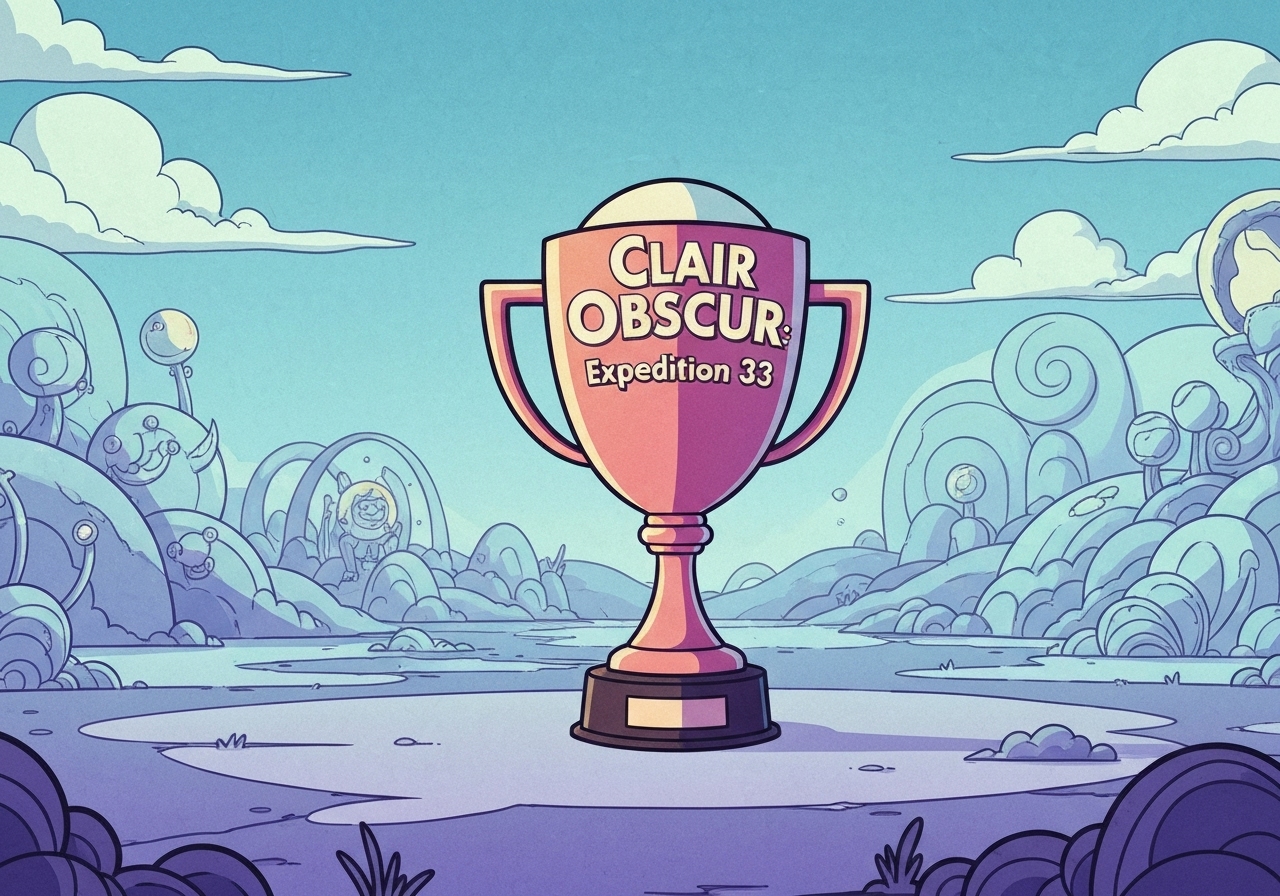
On Dec. 11, 2025 at the annual Game Awards ceremony, Clair Obscur: Expedition 33, a debut title from French studio Sandfall Interactive, won nine prizes including Game of the Year. The role-playing game earned a record 12 nominations and took home honors across narrative, direction, art and music categories. Critics and viewers noted the game’s striking imagery—centered on a mythical paintress, demonic mimes and an orchestral score—and its emotional storytelling. The sweep marked a rare moment in which a small-budget indie outperformed many large studios on gaming’s biggest night.
Key Takeaways
- Clair Obscur: Expedition 33 received a record 12 nominations at the Game Awards and won nine awards, including Game of the Year and Best Role-Playing Game.
- Awards captured include Best Game Direction, Best Narrative, Best Art Direction, Best Score and Music, Best Performance (Jennifer English), Best Independent Game and Best Debut Indie Game.
- Sandfall Interactive reported a development budget under $10 million, contrasting with major studio budgets that can approach $700 million.
- The studio assembled its creative team during the COVID-19 pandemic via online forums and SoundCloud, later staging filmed scenes in a small Paris theater.
- The game’s aesthetic—mythical paintress, demonic mimes and an orchestral soundtrack—was repeatedly singled out by critics for its emotional and visual ambition.
- The sweep is likely to boost the studio’s visibility, award-season profile and player interest, though longer-term commercial metrics remain pending.
Background
The Game Awards, founded as an industry showcase and audience-facing ceremony, have become a barometer of cultural impact and commercial momentum in games. Over recent years the event has elevated smaller studios that break through critical attention, but large-budget titles from major publishers have historically dominated nominations and sales. Sandfall Interactive is a Paris-based independent studio whose first title launched to critical notice earlier in 2025; the team coalesced during the pandemic through online collaboration channels and shared audio platforms.
Indie developers have increasingly leveraged accessible engines and middleware to produce technically and narratively ambitious games with modest teams and budgets. That dynamic has shifted some industry calculations: quality and originality can translate to awards and audience attention without the marketing machine of a major publisher. Still, the scale gap remains: established studios routinely spend hundreds of millions of dollars on development and marketing, while Sandfall’s reported budget of less than $10 million is an outlier among Game of the Year winners.
Main Event
At the ceremony on Dec. 11, Clair Obscur’s nominations and eventual wins were frequently highlighted by presenters and commentators as emblematic of a changing landscape. The title claimed the night’s biggest prize—Game of the Year—after earlier wins for direction, narrative and art that underscored its creative strengths. Jennifer English was recognized with Best Performance for her role in the game, a nod to the production’s emphasis on actor-driven storytelling.
Sandfall’s representatives explained to reporters that the project’s aesthetic and production techniques were developed collaboratively online, with cinematic sequences filmed in a small Paris theater to achieve the title’s distinctive staged look. Observers noted the orchestral score and theatrical motifs—demonic mimes and painting as a narrative device—as recurring elements in both trailers and reviews. The combination of a unique premise and focused artistic direction appeared to sway both critics and the voting bodies that determine many award categories.
Media coverage the following day emphasized both the emotional impact cited by reviewers and the symbolic weight of an indie studio sweeping the awards. Industry commentators contrasted Sandfall’s approach with the production pipelines of larger firms, suggesting the game’s success could encourage similar teams to pursue bold artistic concepts rather than scale alone. Representatives from Sandfall framed the results as proof that smaller teams can achieve large creative ambitions when technology and distribution align.
Analysis & Implications
Clair Obscur’s sweep highlights a broader trend: technological accessibility and digital distribution have lowered barriers for smaller teams to reach global audiences. With engines, middleware and marketplaces more mature than a decade ago, a tightly focused team can produce work that competes on aesthetics and narrative with far more expensive projects. That said, awards do not automatically translate into blockbuster sales; converting critical acclaim into sustained revenue depends on marketing reach, platform deals and post-launch support.
For publishers and investors, the win underscores both risk and opportunity. Major publishers may look to acquire or partner with studios that can deliver distinctive IP and artistic credence at lower upfront cost. Conversely, rising indie success could intensify competition for talent and distribution deals, driving consolidation or selective investment in boutique teams. For the broader industry, a celebrated indie title can shift player expectations about genre, tone and permissible subject matter in mainstream releases.
The economic contrast is stark: Sandfall’s reported sub-$10 million development budget sits far below the hundreds of millions many AAA titles command—figures that often include marketing and live-service spending. If Clair Obscur translates critical acclaim into strong player engagement and post-launch monetization, it could offer a repeatable model for similarly sized teams. However, scalability risks remain; sustaining a studio post-breakthrough often requires new hires, expanded infrastructure and potentially publisher relationships that can change creative control.
Comparison & Data
| Metric | Clair Obscur / Sandfall | Typical AAA Studio |
|---|---|---|
| Game Awards Nominations | 12 (record) | Variable (often high for major releases) |
| Game Awards Wins | 9 | Varies |
| Reported Development Budget | <$10 million | Up to ~$700 million |
The table shows how the title’s recognition compares with financial profiles common in the industry. The nominations-to-wins conversion was particularly efficient for Clair Obscur: nine wins from 12 nominations. The budget contrast illustrates why awards carry different operational meanings for indie studios and AAA publishers: a win for an indie can dramatically increase visibility relative to its size, while a win for a major title often validates a much larger investment.
Reactions & Quotes
We now have the tools to build ambitious games with relatively small teams, and that has opened doors for projects like ours.
Guillaume Broche, CEO and creative director, Sandfall Interactive (as reported to The New York Times)
The game left some critics emotionally unsettled, praised for moving from epic stakes to intimate family grief in its storytelling.
New York Times critic (paraphrased)
The creative team said they brought together musicians and filmmakers from online communities during the pandemic, then staged sequences in a small Paris theater to achieve the title’s theatrical feel.
Sandfall Interactive (statement to reporters)
Unconfirmed
- The exact size and full roster of Sandfall’s development team has not been independently verified beyond descriptions provided to reporters.
- Whether the reported budget figure excludes marketing, platform fees or post-launch support costs is not specified in the available reporting.
- Long-term sales, player retention and revenue figures that would confirm commercial success following the awards are not yet public.
Bottom Line
Clair Obscur: Expedition 33’s sweep at the Dec. 11, 2025 Game Awards is both a cultural moment and a market signal: an independent title with a modest reported budget can claim the highest industry accolades when creative direction, narrative ambition and production craft align. For Sandfall Interactive, the awards will likely translate into heightened attention from players, press and potential partners, though translating acclaim into sustainable growth remains the next challenge.
More broadly, the result reinforces an industry shift toward quality and originality as recognized metrics of success alongside budget and scale. Stakeholders—developers, publishers and investors—will watch how sales, platform deals and post-launch engagement unfold in the coming months to see whether this case becomes a repeatable template for indie breakthroughs.
Sources
- The New York Times — U.S. newspaper (reporting)