
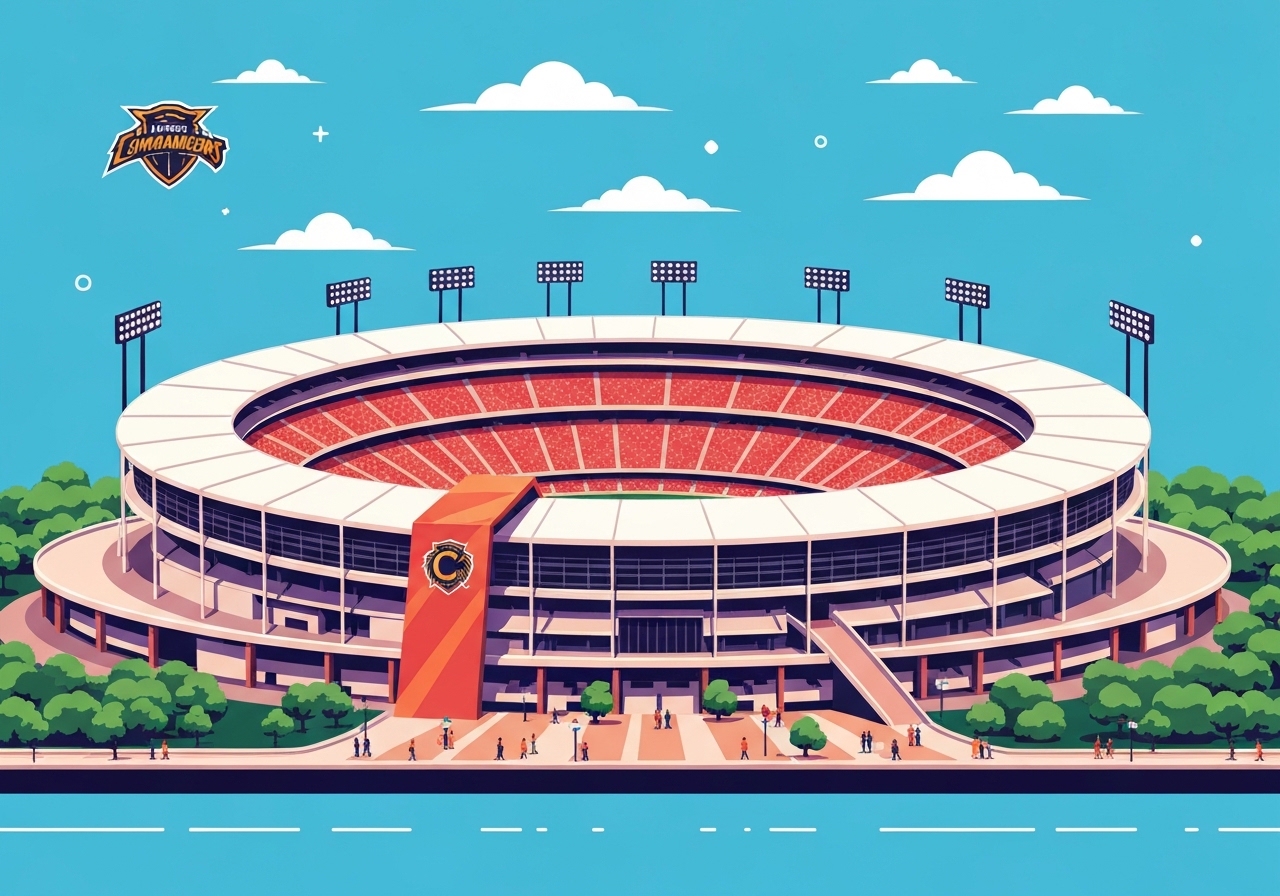
In a recent appearance on NFL Network’s “The Insiders,” the Washington Commanders released renderings of a proposed new stadium targeting a 2030 opening. The visuals, shared by the team and shown in the network segment, outline the organization’s high-level design vision and mark the next public step in a multi-year effort to replace its current venue. Officials presented the images as an early design milestone; the project remains contingent on planning approvals, financing and community agreements. Public reaction was immediate, with stakeholders signaling interest in economic, transportation and neighborhood impacts.
Key Takeaways
- The Washington Commanders unveiled conceptual stadium renderings intended for a target opening in 2030, released via an NFL Network segment of “The Insiders.”
- The visuals represent an early design phase and do not yet reflect finalized permits, construction contracts or completed financing arrangements.
- Team leadership framed the renderings as part of a long-range plan to replace the franchise’s current stadium and modernize fan amenities.
- Local government approvals, environmental reviews and transit planning remain necessary steps before construction can begin.
- Analysts and community groups emphasized the project’s potential economic impact and the need for clear public-benefit terms and transportation upgrades.
- Fans responded across social channels with a mix of enthusiasm and questions about timeline, cost and location specifics.
Background
The Commanders have discussed the need for a new venue for several years, citing aging facilities, fan experience concerns and competitive pressures from newer NFL stadiums. The franchise’s current home has prompted periodic scrutiny about amenities, upkeep and accessibility, which have driven leadership to explore long-term options. Across the league, recent stadium projects have combined private investment, public incentives and redevelopment deals that tie sports venues to broader urban plans.
Developing an NFL stadium typically requires coordinated approvals from local and state governments, environmental impact assessments and substantial private capital commitments. Teams pursuing new venues often cite job creation, increased tax revenue and mixed-use development as public benefits, but municipal officials and neighborhood groups frequently demand enforceable guarantees on community outcomes and transportation improvements. Those debates commonly shape both the timeline and the final design.
Main Event
The team presented the renderings in a televised segment, showing exterior and concourse-level views intended to convey scale and fan amenities. Commanders representatives framed the images as conceptual illustrations rather than finished architectural plans, stressing the work remains in a design and review phase. The visual package aimed to outline core ideas—fan sightlines, premium seating and public plaza spaces—while leaving technical specifications for later stages.
During the segment, club spokespeople said the 2030 target reflects a multi-year schedule that must accommodate site selection, permitting and construction. They reiterated that any firm timeline depends on reaching agreements with local authorities and securing necessary financing. The presentation included no final cost estimate, no confirmed parcel of land and no signed construction contracts—details stakeholders will seek next.
Media coverage and fan commentary followed quickly, highlighting both excitement about a modern venue and concern about traffic, public spending and neighborhood effects. Observers noted the renderings are an early communications step that often precedes formal municipal negotiations and environmental review processes. As with prior NFL stadium proposals elsewhere, the public rollout is likely to prompt policy discussions and planning hearings in the affected jurisdictions.
Analysis & Implications
The unveiling advances the franchise’s public narrative that a new stadium is a strategic priority; it shifts the conversation from private planning to public negotiation. By releasing visual materials, the Commanders place the project on the civic agenda and invite scrutiny from elected officials, planning agencies and resident groups. That shift typically accelerates inquiries into funding sources, tax incentives, infrastructure commitments and community benefits.
Economically, a new stadium can generate construction jobs and longer-term commercial development, but rigorous studies show net public returns vary widely depending on deal structure. If municipal subsidies or infrastructure investments are proposed, local officials will face pressure to quantify expected tax revenues, job creation and ancillary development versus direct public costs. Transparent, enforceable commitments are central to building public trust in such deals.
Transportation and land-use implications will be decisive for any approval. Large venues place significant demand on transit systems, roads and parking; jurisdictions commonly require multimodal plans and funding for upgrades. The Commanders’ next steps should include coordination with transit agencies and municipal planners to address capacity, event-day access and neighborhood impacts—issues that can make or break a stadium proposal politically.
Comparison & Data
| Item | Current/Rendered |
|---|---|
| Target opening | Rendered for 2030 |
| Current franchise stadium | Longstanding home stadium used prior to this proposal (team has sought replacements in prior years) |
The table above summarizes the public facts confirmed by the team’s release: a rendering aimed at 2030 and an ongoing process to replace the current venue. Many detailed metrics—cost, capacity, specific site and funding sources—remain to be disclosed and verified in future filings and negotiations.
Reactions & Quotes
“These renderings are an early representation of our vision for a modern, fan-focused home targeted for 2030.”
Washington Commanders (via NFL Network video)
“The imagery sets a public baseline for design expectations but does not substitute for formal plans or approvals.”
NFL Network segment commentary
“Fans are excited by the prospect of upgraded amenities, but many want clarity on location, price and transit access before forming an opinion.”
Public social commentary summarized from viewer responses
Unconfirmed
- Exact proposed site for the new stadium has not been confirmed by the team in the segment viewed.
- Final project cost, seating capacity and precise construction timeline beyond the 2030 target were not disclosed.
- Any specific public funding commitments or signed municipal agreements were not presented in the released renderings.
Bottom Line
The Commanders’ public release of stadium renderings for a 2030-targeted venue is a significant communicative milestone that signals intent and shapes the terms of future negotiations. While the visuals give a first look at the franchise’s aspirations, the project remains at an early stage: site selection, financing, public approvals and transport planning must still be resolved.
For stakeholders and residents, the coming months will be crucial: municipal officials will weigh economic and infrastructure trade-offs, community groups will press for enforceable benefits, and the franchise must translate conceptual imagery into concrete, fundable plans. Observers should expect detailed proposals, impact studies and public hearings before any construction can begin.