
Lead
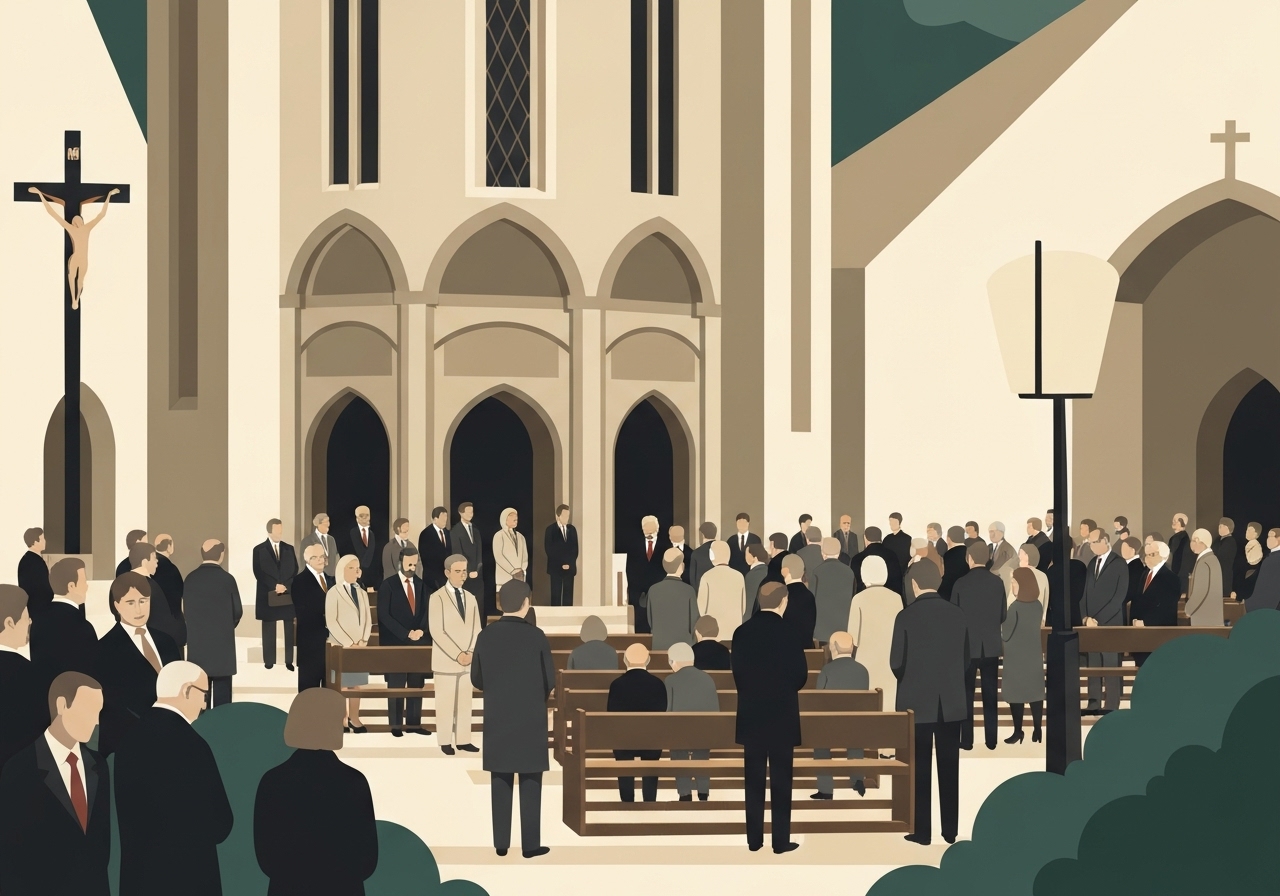
Hundreds gathered outside St Christopher’s Church in Crans-Montana on Sunday for a special Mass to mourn the victims of the New Year’s Eve blaze at the Le Constellation bar. The fire killed 40 people, all of whom have now been identified, and left several others with severe burns still in hospital. Families have received the confirmations they were dreading while the community held shrines of flowers and soft toys near the cordoned site. A criminal inquiry has been opened and investigators are examining safety standards and the actions of the bar’s operators.
Key Takeaways
- 40 people died in the Le Constellation bar fire on New Year’s Eve; authorities report all 40 victims have been identified and bodies are being returned to families.
- Multiple survivors remain hospitalised with serious burns; several are unconscious and not yet formally named publicly.
- A special Mass in Crans-Montana drew hundreds of mourners, with visible emotional distress, fainting episodes and public shrines outside the bar.
- Video footage shows sparklers attached to champagne bottles and foam-covered ceiling panels catching fire; investigators are reviewing those images as part of the probe.
- Swiss prosecutors have opened a criminal investigation; the bar’s owners, a French couple, face suspicion of causing death and bodily harm through negligence.
- Local firefighters and rescue teams were publicly lauded during the memorial; the local fire commander has spoken of the personal toll on emergency crews.
Background
Le Constellation, a bar in the Crans-Montana ski resort, was hosting a New Year’s Eve party when a blaze swept through the venue. The bar was reported to be full of young people that night; Swiss law permits drinking from age 16, a detail that underscores the youthful profile of many attendees. The ceiling was covered with foam material used for soundproofing, and footage from inside the venue appears to show sparks from celebratory sparklers igniting that material.
Fires in crowded nightlife venues have repeatedly exposed risks linked to decorative materials, emergency exits and crowd control in several countries over past decades. Forensic teams are now relying on DNA and dental records to identify victims because many bodies were burned beyond visual recognition. The investigation will examine whether the ceiling materials complied with safety standards, whether capacity and exit access were adequate, and whether fire suppression equipment was present and functional.
Main Event
The blaze began on New Year’s Eve when sparklers attached to champagne bottles were lit during celebrations, according to video evidence now under review by authorities. The spark ignited foam on the ceiling, and flames spread rapidly through the packed venue, trapping patrons and producing severe burn injuries. Some video shows people initially unaware of the danger, with footage of dancing and filming before panic set in and crowds attempted to escape.
Rescue workers described chaotic scenes as they arrived; firefighters and medics worked to evacuate victims and treat severe burns on site before transferring many to hospital. Survivors have recounted graphic memories of people running and of others using shirts in a desperate attempt to smother flames. Local teams later walked in procession to the site after the Mass, with white screening still concealing the charred interior and a growing shrine of flowers and toys outside.
Families who had been hoping missing relatives might be found alive received confirmation that loved ones had died; one mother confirmed her teenage son had died on the first day after the blaze. The identification process has required DNA and dental matching due to the condition of many bodies, prolonging the agony for relatives awaiting news. In the days after the fire, investigators detained the scene for forensic work and continued to review multiple videos and witness statements.
Prosecutors have opened a criminal investigation and announced that the bar owners are suspected of negligence leading to deaths and bodily harm. Authorities said they will probe compliance with fire-safety regulations, the use and certification of the foam panels, potential overcrowding and the availability of emergency routes and extinguishers. The inquiry remains active as officials gather technical evidence and interview witnesses and staff.
Analysis & Implications
The immediate human toll is devastating: 40 deaths and numerous severe injuries in a single event will have long-term consequences for families and the local community. Emotional trauma among survivors, first responders and residents is likely to require sustained psychological and social support, while the identification process and funeral arrangements will extend the period of public mourning. The presence of many teenagers and young adults among the victims may also prompt scrutiny of how alcohol, age limits and venue practices intersect at resort nightlife events.
Legally, the criminal investigation could lead to charges if prosecutors find breaches of safety law or gross negligence by the bar’s operators. Such outcomes would hinge on technical findings about the foam material, certification records, permitted capacity and whether emergency exits were accessible. A conviction would set a precedent for accountability in venue safety, potentially prompting stricter enforcement or revised regulations across Switzerland and in other European resort towns.
Economically and reputationally, Crans-Montana faces short-term impacts on tourism during an already sensitive winter season, although cable cars and skiing continued during the memorial. Local authorities and businesses will need to balance grief and public inquiry with the practicalities of maintaining resort operations. Internationally, the incident may revive debates about standardising safety tests for decorative and acoustic materials used in hospitality venues, and about how to enforce compliance in private establishments.
Comparison & Data
Official figures released so far confirm 40 fatalities, all identified, and multiple people hospitalised with severe burns; exact numbers of injured publicly acknowledged remain described as “several” or “dozens” in reporting. Compared with other recent nightclub and venue fires in Europe, the fatality count places this among the more lethal single-site incidents in recent years, though each event has unique contributing factors such as materials, layout and crowd size. The ongoing criminal inquiry aims to produce a clearer, evidence-based sequence of what allowed the flames to spread so rapidly.
Reactions & Quotes
Local leaders, emergency crews and mourners have expressed sorrow and a demand for thorough investigation. The local fire commander spoke about the strain on his team and the sense of shared loss among first responders.
I need them, and they need me. All my thoughts are for the victims and their families.
David Vocat, Local fire commander
Family members at the Mass described the personal grief of learning the fate of loved ones; a bereaved mother confirmed her son’s death and posted a farewell online reflecting the intimate human cost.
He died that first day.
Laetitia Brodard, mother of a victim
Other mourners stressed presence over anger, calling for the police and justice system to do its work while they supported those still in hospital.
We are not angry. We only hope they make it and we trust the authorities to pursue justice.
Diana, local resident and attendee
Unconfirmed
- Whether the foam panels fully complied with Swiss safety certification remains under investigation and has not been publicly confirmed.
- Exact venue occupancy at the time of the fire and whether legal capacity limits were exceeded have not been finalised in official reports.
- The precise sequence of events that allowed the sparkler to ignite the ceiling foam, and whether other ignition sources contributed, is still being verified by forensic teams.
Bottom Line
The Crans-Montana blaze killed 40 people and left many more injured, producing a profound local and national tragedy. The community’s public mourning—evident in the Mass, processions and growing shrine—reflects immediate grief and a collective need for answers and accountability.
Investigators now face technical and legal work to determine cause, responsibility and whether safety rules were followed; their findings will shape potential criminal charges and possible policy responses. In the meantime, survivors, families and first responders will require sustained practical and psychological support as identification, funerals and legal processes unfold.
Sources
- BBC (news report) — on-scene reporting and summary of the Mass and investigation.
- Reuters (news agency) — agency reporting referenced in contemporaneous coverage and investigations.