
Lead
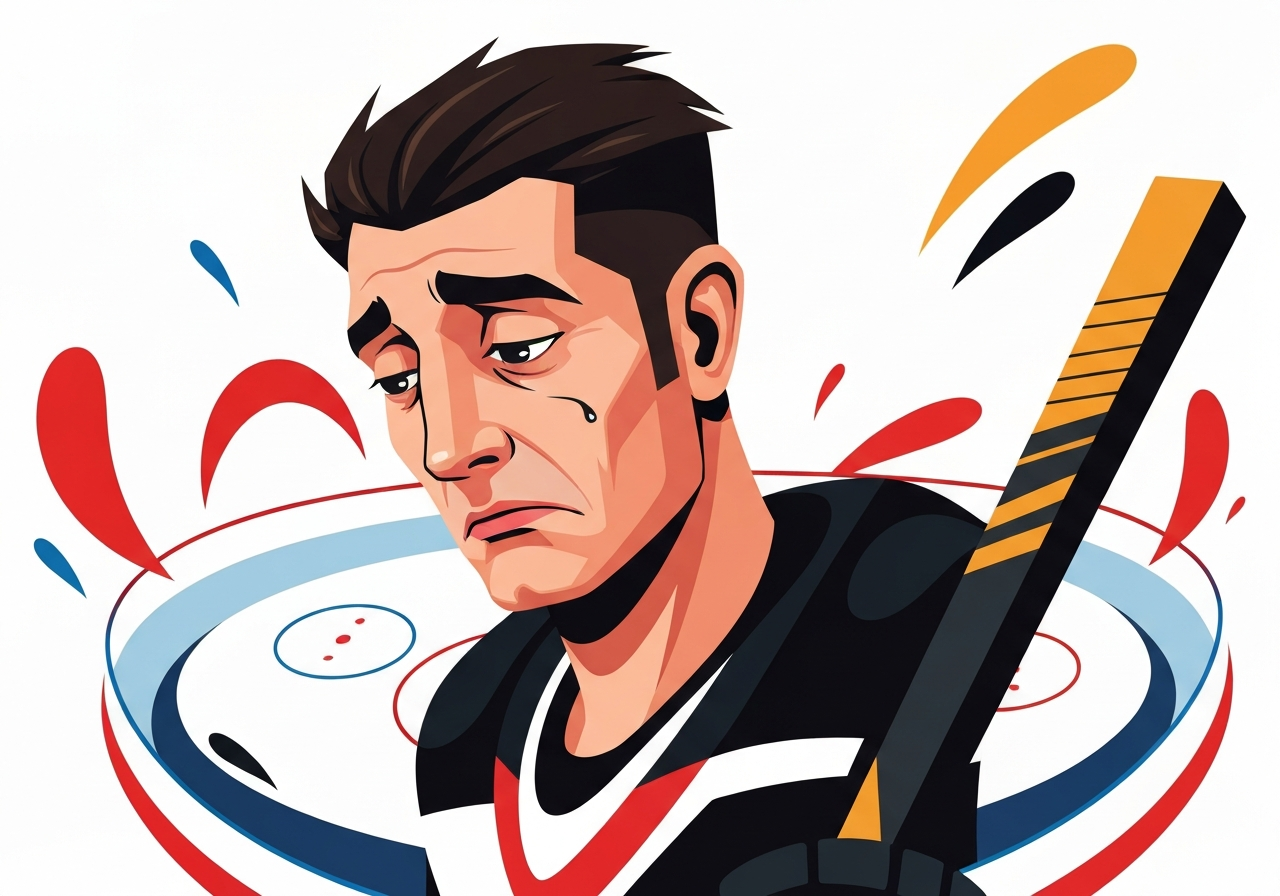
Canada captain Sidney Crosby will not be in the lineup for Sunday’s Olympic gold medal game in Milan. The 38-year-old missed the semifinal against Finland after suffering a lower-body injury in the quarterfinal versus Czechia. Team doctors and coaches, following on-site imaging and multiple specialist consultations, concluded he could not play. The decision followed a lengthy meeting that included Crosby, coaching staff and medical personnel after he skated in closed sessions Friday and Saturday.
Key Takeaways
- Sidney Crosby, 38, is ruled out of Sunday’s Olympic gold medal game in Milan; he is the oldest player on Canada’s roster.
- Crosby sustained a lower-body injury midway through the quarterfinal against Czechia while bracing for a hit from defenseman Radko Gudas.
- He did not play in the semifinal against Finland and was a game‑time decision on Saturday according to coach Jon Cooper.
- Imaging on site showed Crosby avoided a worst‑case structural outcome, sources told ESPN, but he still lacked capacity to compete.
- Over several days Crosby consulted multiple medical experts available in Milan and participated in closed-ice skates on Friday and Saturday.
- Sources described the choice as Crosby’s own, deciding his roster spot would be better used by a healthier player.
Background
Sidney Crosby is among the most decorated players in international hockey and remains a central figure for Canada’s national team. His overtime golden goal to beat the United States in the 2010 Vancouver Olympics is one of the most enduring moments in Canadian sport, and his presence on the roster carried both performance and leadership expectations. Olympic hockey tournaments are compressed events where player availability can swing medal outcomes quickly; medical teams typically balance short‑term tournament needs against long‑term athlete welfare. Canada entered the Milan tournament as a clear medal favorite, and any absence of a top-line leader reshapes game plans and matchups for the coaching staff.
In recent Olympics and World Championships, teams have increasingly relied on rapid imaging and multidisciplinary consultations to make timely availability decisions. Tournament medical resources — including imaging equipment and specialists — are often mobilized precisely because key decisions must be made within 24–72 hours. For a veteran like Crosby, the calculus weighs his individual readiness, potential to contribute at full strength, and the opportunity cost of occupying a roster spot that could be used by a fully available player.
Main Event
The injury occurred midway through the quarterfinal meeting with Czechia when Crosby attempted to brace for contact from Radko Gudas; the play concluded awkwardly with Gudas falling on top of Crosby. Team staff monitored him closely, and he remained with the team through the semifinal day but did not play against Finland. Coach Jon Cooper described Crosby as a game‑time decision on Saturday while medical evaluations continued.
According to people briefed on the discussions, Crosby pursued every available option to return, consulting several specialists who were in Milan for the tournament. Imaging conducted by team physicians and tournament medical staff indicated that the injury was not the worst-case structural outcome, but evaluations still left doubt about his ability to perform at the level he and the team expect. Crosby skated in closed sessions on Friday and Saturday as the staff probed his readiness, a departure from earlier open practices during the event.
The final determination came after an extended meeting that included Crosby, coaching staff and doctors. Sources characterized the choice as Crosby’s own: he concluded he could not help the team fully and that a healthier player should take his roster spot for the decisive game. Team officials elected not to disclose detailed medical specifics beyond describing the injury as a lower-body issue.
Analysis & Implications
Crosby’s absence alters Canada’s tactical options in the gold-medal matchup. Beyond goal production, Crosby’s role as a playmaker and faceoff presence affects line deployments and power-play alignment; coaches will need to reassign minutes and responsibilities to compensate. Opponents gain strategic clarity when a primary playmaker is missing, which can shift defensive matchups and generate different scoring opportunities for both sides.
From a leadership perspective, losing a captain of Crosby’s stature can place additional pressure on secondary leaders in the dressing room. Younger forwards and alternate captains will be expected to assume both on-ice decision-making and off-ice motivational duties. That said, Canada’s depth across forward lines and its pool of experienced pros mitigate some of the risk, especially in tournament play where role players often step up when stars are unavailable.
There is also a longer-term athlete-welfare implication. Medical teams must balance the short window of an Olympic tournament against a player’s career trajectory and upcoming season commitments; conservative management is common when imaging shows risk of aggravating an injury. For Crosby, any reinjury risk would be weighed against both his personal career considerations at age 38 and Canada’s immediate medal objective.
Comparison & Data
| Stage | Opponent | Outcome for Crosby |
|---|---|---|
| Quarterfinal | Czechia | Sustained lower‑body injury (midway through game) |
| Semifinal | Finland | Did not play |
| Gold medal game (Sunday) | — | Not in lineup |
The table summarizes the sequence: injury in the quarterfinal, absence in the semifinal, and confirmed unavailability for the gold-medal game. That progression reflects a standard tournament decision path: injury, monitoring, attempted return, and final medical/coach decision. The timeline—injury in the quarterfinal, closed skates on Friday and Saturday, final meeting before Sunday—highlights how quickly teams must resolve availability in condensed events.
Reactions & Quotes
Team sources emphasized Crosby’s effort to return and framed the decision as one made with team interests in mind.
“He tried everything, just couldn’t play.”
Team source via ESPN
Another person close to the situation described the call as partly driven by Crosby’s own assessment that he could not contribute to the team at full capacity.
“It was a selfless decision — he didn’t feel he could help the team in full capacity.”
Team source via ESPN
Unconfirmed
- No detailed public medical diagnosis beyond the description of a “lower‑body” injury has been released by team physicians.
- There is no public timeline yet for Crosby’s recovery or return to club play beyond the tournament decision.
Bottom Line
Sidney Crosby’s absence from Sunday’s gold-medal game is a significant roster change for Canada, removing a veteran leader and top-line playmaker from the matchup. The decision followed imaging, several specialist consultations in Milan, and a lengthy meeting that included Crosby himself, and sources say he opted to prioritize the team’s immediate needs over risking reduced effectiveness.
For Canada, the immediate task is to reconfigure lines and roles for the decisive game while relying on depth and leadership from alternate veterans. For Crosby, this episode will be judged both by the outcome in Milan and by how his recovery is managed in the weeks that follow.
Sources
- ESPN (media report)