
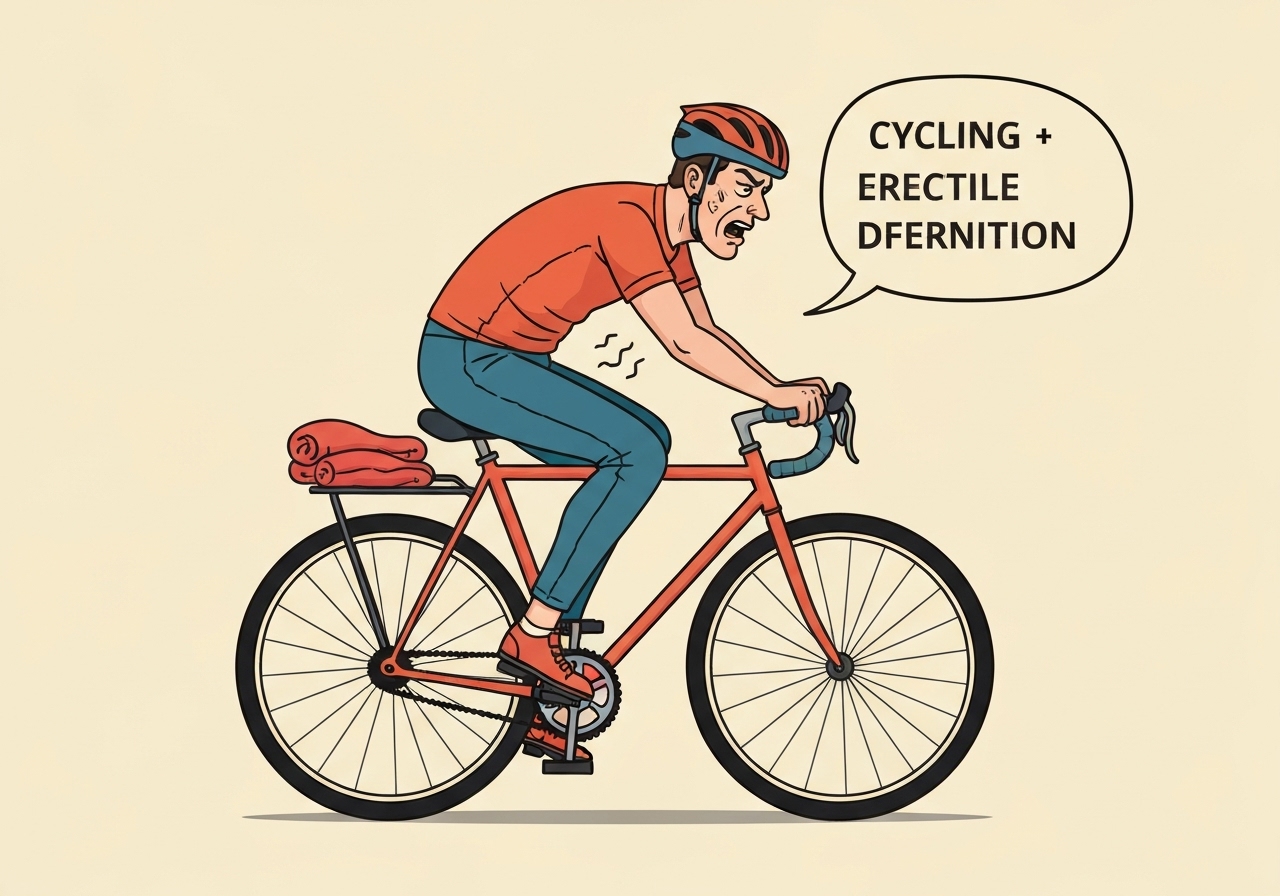
Lead: Dr. Jamin Brahmbhatt, a urologist and robotic surgeon with Orlando Health and assistant professor at the University of Central Florida College of Medicine, addresses a common worry he has seen since buying a stationary bike during the pandemic. In late 2025 he experienced intermittent pelvic pressure after rides and feared prostate injury or erectile problems. His clinical view, informed by urology guidelines and recent research, is that cycling is unlikely to cause long‑term erectile dysfunction for most men. Temporary numbness or discomfort usually reflects saddle pressure and pelvic‑floor irritation rather than permanent gland or nerve damage.
Key Takeaways
- Cycling concentrates weight on the perineum where the pudendal nerve, pelvic floor muscles and vessels run; sustained pressure can produce burning, numbness or pressure sensations.
- American Urological Association guidance notes perineal pressure and prolonged sitting trigger pelvic and scrotal pain, but do not typically indicate true prostate injury.
- Older studies raised concerns about blood flow during cycling, but more recent research finds no clear increase in long‑term erectile dysfunction risk among regular cyclists.
- Short‑term numbness or tingling after long or high‑resistance rides commonly resolves once pressure is relieved; standing briefly every 10–15 minutes helps.
- Saddle design, seat height and handlebar position strongly influence perineal load; center‑cut or split saddles and small fit adjustments often reduce symptoms.
- Pelvic‑floor dysfunction, stress, diabetes, hypertension and vascular disease are far more common drivers of erectile dysfunction than cycling itself.
- Persistent symptoms—numbness lasting hours or days, painful erections or new urinary changes—warrant medical evaluation but are usually treatable.
Background
The prostate sits beneath the bladder and surrounds the urethra; the perineum lies directly below the gland and transmits pressure from a bicycle saddle into pelvic tissues. The pudendal nerve, important blood vessels and pelvic‑floor muscles traverse this corridor, so concentrated pressure can create sensations men interpret as prostate pain or sexual dysfunction even when the prostate is normal. Historically, some early research and media coverage linked cycling to reduced penile blood flow, generating widespread concern among riders.
Prostatitis is commonly misunderstood in clinical practice: acute bacterial prostatitis with fever and clear infection is uncommon, while many men are labeled with prostatitis despite negative urine tests and no infectious cause. Symptoms often arise from tight pelvic‑floor muscles, nerve sensitization, stress or prolonged sitting—conditions that do not show on standard cultures. Those factors overlap with how a saddle contacts the pelvis, which helps explain why cycling can mimic prostate‑related complaints without injuring the gland.
Main Event
During the pandemic Dr. Brahmbhatt bought a stationary bike, joined virtual group rides and soon felt an intermittent pressure near his prostate after sessions. Concerned, he stopped riding and eventually sold the bike, a reaction he says he sees frequently among patients who equate pelvic sensations with prostate damage or impending erectile trouble. Clinically, he found the sensations were linked to posture and static loading rather than inflammation of the prostate itself.
Bike saddles that are narrow or improperly fitted focus body weight onto the perineum for extended periods. That contact can produce burning, pressure or a bruised feeling—symptoms that are real and unpleasant but typically reflect soft‑tissue irritation and nerve compression beneath the skin, not structural harm to the prostate or the major nerves controlling erections. The American Urological Association and pelvic‑health specialists emphasize this distinction.
Stationary bikes may amplify the issue because they tend to hold riders in one position, especially during high‑resistance efforts. Outdoor riding often includes brief weight shifts—standing on climbs, adjusting position on descents—that relieve pressure intermittently. Electric assist and varied outdoor posture usually reduce continuous perineal load compared with prolonged static indoor sessions.
Analysis & Implications
From a population‑health perspective, the cardiovascular benefits of regular cycling—improved blood pressure, lipid profiles and fitness—generally support sexual function rather than harm it. Erectile dysfunction is most often a vascular or systemic problem tied to diabetes, hypertension, high cholesterol, smoking, obesity and certain medications; these conditions reduce penile blood flow over time. Against that backdrop, isolated saddle‑related symptoms are unlikely to explain chronic erectile dysfunction in most men.
Clinical implications include focusing on modifiable mechanical and behavioral factors: improve bike fit, change saddle design, adjust handlebar height and encourage periodic standing or weight shifts. Pelvic‑floor conditioning and targeted physical therapy address muscle tightness and nerve sensitivity when symptoms persist. Educating new riders and sedentary workers—who tend to be more sensitive to saddle pressure—can reduce unnecessary fear and prevent premature discontinuation of healthy exercise.
At the individual level, clinicians should differentiate acute infectious prostatitis from pelvic‑floor or compression syndromes. Objective red flags—fever, pronounced urinary infection signs, prolonged numbness, or persistent painful erections—require prompt evaluation. For most patients, conservative measures (fit changes, padded shorts, graded mileage increases, brief rest breaks) resolve symptoms and allow continued riding.
Comparison & Data
| Topic | Early concern | Recent evidence & practice |
|---|---|---|
| Long‑term ED risk | Small studies suggested reduced penile blood flow after riding | Larger, later studies and reviews show no consistent long‑term ED increase among regular cyclists |
| Mechanism of symptoms | Blamed on prostate or nerve injury | Now attributed mainly to perineal pressure, pelvic‑floor tension and reversible nerve compression |
| Primary fixes | Stop riding | Adjust saddle, posture, stand every 10–15 minutes, pelvic‑floor therapy |
The table summarizes how understanding has shifted from alarm about intrinsic prostate or nerve damage toward recognition of reversible mechanical factors. While precise incidence rates vary by study and riding style, clinicians report consistent improvement after ergonomic and behavioral interventions. That pattern supports counseling riders to adapt equipment and habits before abandoning cycling entirely.
Reactions & Quotes
Many patients describe immediate fear when pelvic symptoms appear; clinicians now try to provide rapid context to calm anxiety and direct appropriate care.
“The sensations were real, but they did not mean my prostate had been damaged,”
Dr. Jamin Brahmbhatt, Orlando Health / UCF College of Medicine
Urology organizations emphasize that perineal pressure is a known trigger of pelvic pain rather than proof of gland injury.
“Perineal pressure and prolonged sitting are recognized contributors to pelvic and scrotal pain, not evidence of prostate injury,”
American Urological Association (guidance summary)
Pelvic‑health therapists note that targeted rehabilitation and small equipment changes frequently restore comfort and function.
“Simple adjustments—seat tilt, height and a split saddle—often make a material difference for riders,”
Pelvic‑floor physical therapist (clinical observation)
Unconfirmed
- That any single bike model or saddle type universally prevents perineal symptoms—individual anatomy and fit remain decisive and vary person to person.
- A direct causal link between recreational cycling and permanent erectile dysfunction in healthy men—current evidence does not confirm a consistent long‑term effect.
Bottom Line
For most men, cycling does not cause permanent erectile dysfunction; temporary numbness or discomfort after long or static rides most often reflects perineal pressure, pelvic‑floor strain or reversible nerve compression. The cardiovascular advantages of regular cycling typically benefit sexual health over the long term, while mechanical factors determine immediate pelvic symptoms.
Practical steps—evaluating saddle shape, adjusting seat height and tilt, standing briefly every 10–15 minutes, wearing padded shorts, and seeking pelvic‑floor physical therapy when needed—resolve most issues. Persistent or worrisome symptoms (prolonged numbness, painful erections, fever or new urinary changes) should prompt medical evaluation, but in the majority of cases simple adjustments and informed care allow men to keep cycling safely.
Sources
- CNN (news article by Dr. Jamin Brahmbhatt) — news/firstperson
- American Urological Association (AUA) guidelines — professional society guidance
- PubMed search: cycling and erectile dysfunction — academic literature index