
Lead
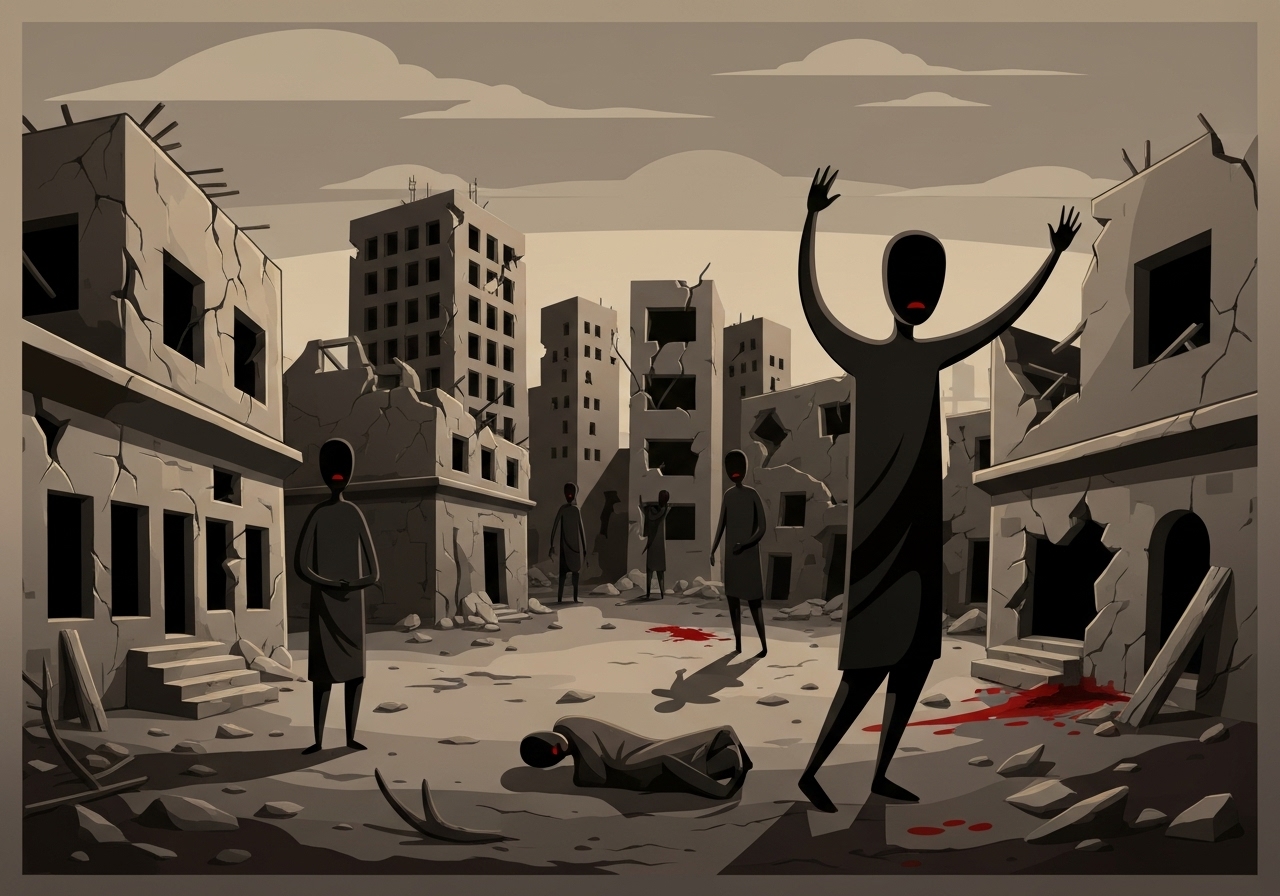
Survivors who fled El Fasher in late October describe executions, abductions and sexual violence after the Rapid Support Forces (RSF) seized the city. Many reached a crowded camp in Tawila, about 35 miles from El Fasher, on Oct. 20 and in the days after. Satellite imagery, hospital records and NGO field teams report mass casualties, widespread burning of property and catastrophic malnutrition among children. International monitors and aid groups warn the scale of harm is severe and still incompletely documented.
Key Takeaways
- RSF captured El Fasher, the capital of North Darfur, after the city endured an 18-month siege and fighting resumed in 2025.
- Thousands fled; roughly 6,000 people have arrived in Tawila camp since the RSF entered El Fasher, while the camp area shelters about 500,000 displaced people according to NRC figures.
- Yale Humanitarian Research Lab imagery shows clusters consistent with burned vehicles and bodies; experts say some sites are visible from space.
- Doctors Without Borders reported that on Oct. 27 all 70 children under five at a field hospital were acutely malnourished, and MSF treated 396 injured people between Oct. 26 and Oct. 29.
- The IPC has assessed famine in El Fasher and surrounding areas, and the U.S. State Department in January concluded that RSF and allied militias have committed genocide in Sudan.
- Few communications leave El Fasher due to a blackout, hampering independent verification and contributing to thousands still unaccounted for.
Background
The conflict in Sudan intensified after the governing coalition collapsed in 2023 and a military coup dissolved the transitional government. Since then, the RSF and the Sudanese military have fought a civil war that has displaced millions and produced repeated allegations of mass atrocities. El Fasher, the largest city in western Darfur, had been under siege for more than 18 months before falling to the RSF in October 2025.
Darfur has a long history of violence and displacement dating back to the early 2000s; the latest offensive compounded chronic insecurity, food shortages and disrupted humanitarian access. Multiple armed actors are present in the region, including the RSF and local factions such as the Sudan Liberation Movement/Army-Abdul Wahid (SLA-AW), which controls areas around Tawila and hosts some refugee operations.
Main Event
Witness accounts collected by aid groups and activist networks describe a rapid RSF advance into El Fasher, followed by tactics that included encircling the city with berms, burning neighborhoods and setting checkpoints that intercepted fleeing civilians. Videos verified against high-resolution satellite images show clusters of burned vehicles and earth scars consistent with berm construction and mass destruction of property.
Survivors told aid workers that checkpoints were used to search and detain people, with reports of executions of those taken away. One account described girls being removed and used as a form of currency, and multiple testimonies referenced widespread sexual violence and beatings. Humanitarian actors report many arrivals recounting similar patterns of abuse.
Medical facilities receiving refugees from El Fasher reported catastrophic caseloads. MSF staff recorded hundreds of injured arriving over four days at the end of October and documented gunshot wounds, fractures, infected surgical wounds and acute malnutrition among children and elderly patients. The IPC declared famine conditions in El Fasher and adjacent areas during the same period.
Analysis & Implications
The fall of El Fasher marks a significant territorial shift in Darfur and may accelerate displacement flows across western Sudan and into neighboring states. If RSF control solidifies, humanitarian access to the city and surrounding areas is likely to remain restricted, complicating food assistance, medical evacuation and protection services for civilians. Satellite evidence of mass casualties elevates the urgency for independent investigation and possible accountability measures.
Famine declarations and the concentration of malnourished children at field hospitals suggest the crisis has moved beyond acute emergency into a multi-faceted catastrophe combining violence, food denial and health system collapse. International responses, even if diplomatic truce proposals proceed, will need operational reach and security guarantees to deliver relief at scale.
The U.S.-led Quad mediation and a reported humanitarian truce could, if implemented and monitored, create narrow windows for aid deliveries and evacuations. However, ceasefire statements alone will not resolve long-term governance vacuums or address allegations of systematic abuses, which may require sustained political pressure and forensic documentation for legal accountability.
Comparison & Data
| Metric | Reported Figure | Source |
|---|---|---|
| Arrivals in Tawila since RSF entry | ~6,000 | NRC/field reporting |
| Displaced people in Tawila area | ~500,000 | NRC (camp region) |
| Children under 5 acutely malnourished (single day) | 70 | MSF, Oct. 27 |
| Injured treated, Oct. 26–29 | 396 | MSF emergency room report |
These figures illustrate concentrated humanitarian need among arrivals and the broader displaced population in the Tawila area. Limited communications and access mean these numbers are likely conservative estimates of total harm and displacement linked to the El Fasher offensive.
Reactions & Quotes
Field managers and aid coordinators described the scene at Tawila camp as overwhelmed and emotionally raw, urging sustained international attention and resources.
“The violence is a horror show. It’s very bad,”
Shashwat Saraf, NRC country director for Sudan (field report)
Medical teams highlighted the clinical severity seen at the MSF-run field hospital and the logistical challenges of treating malnutrition and combat wounds with limited supplies.
“We received nearly 400 injured people over four days and treated over 700 new arrivals,”
Dr. Livia Tampellini, MSF deputy head of emergencies (statement)
Unconfirmed
- Precise death toll in El Fasher remains unverified due to communications blackouts and constrained access to the city.
- Claims that thousands are being held by RSF are reported by families and observers but lack independent, on-the-ground confirmation at scale.
Bottom Line
The seizure of El Fasher by RSF forces has produced credible and consistent accounts of executions, kidnappings and sexual violence, supported by satellite imagery and hospital caseloads. Humanitarian indicators point to famine and severe malnutrition, especially among children, compounding the immediate protection crisis.
International diplomatic steps, including a U.S.-backed Quad mediation and a proposed humanitarian truce, may create avenues for relief but will not substitute for sustained access, verification and accountability mechanisms. Continued monitoring, open access for aid agencies and forensic documentation of alleged abuses are critical next steps to address urgent needs and preserve evidence for any future legal actions.
Sources
- ABC News (international news report summarizing survivor interviews and field reporting)
- Yale Humanitarian Research Lab (academic/imagery analysis)
- Doctors Without Borders / MSF (medical humanitarian organization field statements)
- Norwegian Refugee Council (NRC) (humanitarian operational reporting)
- IPC (Integrated Food Security Phase Classification) (UN-backed food security assessment)
- U.S. Department of State (official statements on alleged atrocities and legal assessments)