
Lead
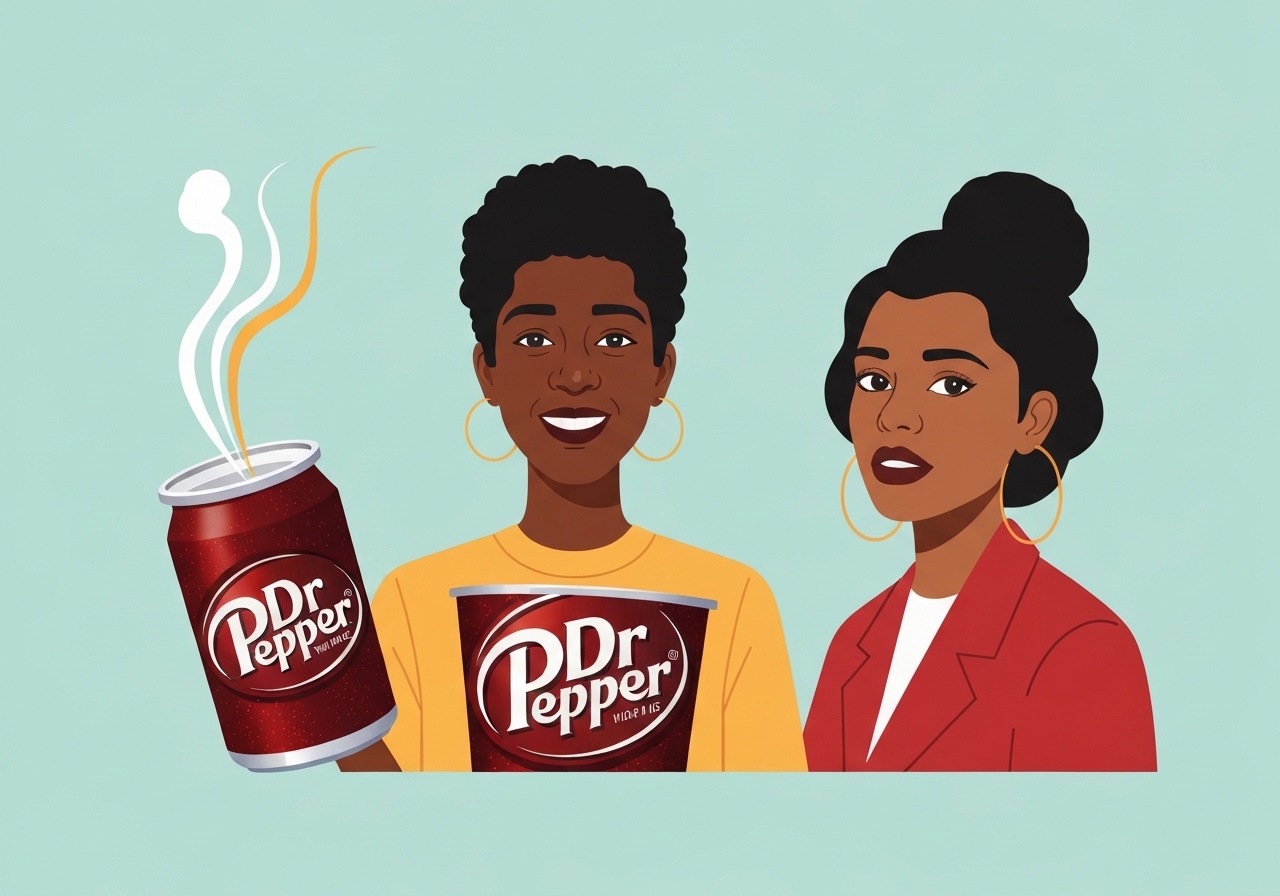
On Dec. 23, TikToker Romeo posted a short, self‑composed jingle for Dr Pepper that exploded online, drawing more than 42 million views in under a month. The soda brand incorporated that melody into a roughly 15‑second official commercial that aired during the 2026 College Football Playoff National Championship on Jan. 19. Romeo celebrated the placement on TikTok, thanking supporters and Dr Pepper fans for helping the clip reach national television. The episode highlights a fast pathway from user content to mainstream advertising.
Key Takeaways
- Romeo posted the original TikTok on Dec. 23 and asked the company to get in touch about a possible deal.
- By Jan. 21 the video had more than 42 million views, about 5 million likes and over 300,000 bookmarks.
- Dr Pepper replied publicly to the clip, writing, “hold on…. you might be onto something.”
- Dr Pepper released a 15‑second commercial titled “Dr. Pepper Baby (Good & Nice Jingle) by @Romeosshow” on Jan. 19, 2026.
- The commercial showcased three canned varieties—original, diet and zero sugar—and included footage of a can being poured to show fizziness.
- The spot ran during the 2026 College Football Playoff National Championship, giving the jingle national broadcast exposure.
- Other brands and accounts, including Indeed, the Philadelphia Eagles and Buffalo Wild Wings, engaged with the clip on social platforms.
Background
User‑generated content has become a routine source of creative ideas for advertisers; platforms like TikTok often accelerate discovery of short musical hooks and memes that brands then amplify. Dr Pepper, long known for marketing tied to its “23 flavors” heritage, has used playful, personality‑driven messaging in past campaigns to reach younger audiences. Major sporting events such as the College Football Playoff National Championship remain premium inventory for advertisers seeking large, live audiences and cultural visibility. The intersection of a viral social clip and a high‑profile broadcast slot illustrates how quickly a short creative moment can move from social feed to televised ad.
Creators increasingly expect recognition, credit and compensation when brands repurpose their work; that shift has pushed companies to be more responsive to individual creators while also navigating rights, clearances and licensing. For advertisers, tapping viral talent can deliver authenticity and earned media—but it also raises questions about precedent and how to scale such collaborations. The case of Romeo and Dr Pepper follows a recent pattern where brands either remix or license short‑form creator content rather than commissioning traditional ad agencies exclusively.
Main Event
Romeo uploaded a brief clip on Dec. 23 singing a three‑line jingle that included the refrain, “Dr. Pepper baby. It’s good and nice. Doo. Doo. Doo.” In the TikTok caption she tagged Dr Pepper and suggested the company contact her with a proposition to “make thousands together,” signaling she wanted a formal agreement. The video rapidly accumulated millions of interactions; by Jan. 21 it had crossed the 42 million‑view mark with roughly 5 million likes and 300,000 bookmarks, metrics that drew attention from brands and media alike.
Dr Pepper responded publicly on social media with a brief, encouraging reply: “hold on…. you might be onto something.” Within weeks the company formalized the connection by producing a short commercial credited on screen as “Dr. Pepper Baby (Good & Nice Jingle) by @Romeosshow.” The ad, about 15 seconds long, layered Romeo’s recorded vocals over instrumental beats and showed three of the brand’s canned variants, including shots emphasizing carbonation as a can was poured into a glass.
The commercial debuted on Jan. 19 and was scheduled to air during the 2026 College Football Playoff National Championship telecast, a prime moment for audience reach. Fans on social platforms captured the spot on TV and posted screenshots, multiplying the campaign’s organic visibility. Romeo followed the national airing with a celebratory TikTok that used a green‑screen theater backdrop and staged an acceptance moment, thanking her “supporters” and “all of the Dr Pepper fans” who helped make the placement possible.
Analysis & Implications
For brands, this episode is a concise example of user‑generated creativity serving as a low‑friction source of ad content. When a platform clip demonstrates clear resonance—measured in views, saves and shares—advertisers can gain both authenticity and cost efficiency compared with traditional production pipelines. The rapid move from TikTok to a broadcast commercial also underscores how social metrics now act as a market signal for creative viability.
For creators, the outcome raises practical questions about credit, ownership and compensation. A visible, credited placement on a national commercial can be a significant career opportunity and negotiating point, but the specifics—whether the creator receives a one‑time fee, ongoing royalties, or other benefits—are not always public. This dynamic will likely encourage more creators to explicitly state licensing expectations when posting potentially licensable material.
Legally, brands must clear underlying rights before using creator content in paid placements; that includes confirming the creator’s ownership of the vocal performance and any underlying musical composition. Companies moving quickly to capitalize on viral moments need streamlined legal and contracting workflows to secure rights without stalling momentum. Strategically, the success of this spot may incentivize more brands to monitor social platforms proactively and build faster pathways for legitimate, compensated collaborations with creators.
Comparison & Data
| Metric | Value |
|---|---|
| Original TikTok post date | Dec. 23, 2025 |
| Views (as of Jan. 21, 2026) | 42,000,000+ |
| Likes (as of Jan. 21, 2026) | ~5,000,000 |
| Bookmarks (as of Jan. 21, 2026) | ~300,000 |
| Commercial runtime | ~15 seconds |
| Broadcast placement | Jan. 19, 2026 — College Football Playoff National Championship |
Those raw counts put Romeo’s clip into the upper echelon of viral posts in late 2025 and early 2026, where a small share of videos cross the tens‑of‑millions threshold. The combination of platform virality and a premium live broadcast slot significantly amplified earned coverage and social engagement. Advertisers measuring cost per impression for a national spot during a championship game would view earned visibility and social buzz as additive value to the paid media buy.
Reactions & Quotes
Dr Pepper’s public reply to the original TikTok helped convert attention into a formal creative exchange and signaled the brand’s openness to co‑creation with consumers.
“hold on…. you might be onto something.”
Dr Pepper (brand reply)
Romeo framed the commercial placement as a milestone and thanked the online community that amplified her clip; her follow‑up TikTok used celebratory imagery and a lighthearted tone to underline that the moment felt like a major win.
“it’s a ‘big win’ to have my jingle featured in a commercial — thank you to my supporters and all of the Dr. Pepper fans.”
Romeo (@Romeosshow on TikTok)
Platform and community responses added social proof and emotional resonance to the story, with comments that reinforced the jingle’s instant appeal.
“all of TikTok knew that jingle was special the second you posted it.”
TikTok (platform comment)
Unconfirmed
- Specific financial terms or whether Romeo received payment for the commercial have not been publicly disclosed.
- Details of any contract, rights transfer or long‑term arrangement between Romeo and Dr Pepper were not released at the time of reporting.
Bottom Line
This episode illustrates how quickly a short, catchy idea on social media can be elevated into mainstream advertising when it demonstrates measurable audience appeal. Brands that can move swiftly to clear rights and offer transparent compensation stand to gain authentic creative assets and positive publicity.
For creators, the example underscores the value of asserting rights and expectations early—viral attention can create opportunity, but it also requires clear agreements to convert exposure into sustainable benefit. Expect more brands and creators to treat social platforms as testing grounds for ad concepts, with legal and commercial frameworks evolving to keep pace with rapid discovery.