
Lead
Comedian and TV host Drew Carey told Ted Danson on the podcast Where Everybody Knows Your Name that he experienced a heart attack while working on his eponymous ABC sitcom. Carey said he first felt alarming symptoms while jogging but dismissed them, later having dinner with his then-girlfriend and returning to set the next day. During rehearsals he developed chest tightness in the writer’s room, went to his trailer and then called for emergency help. At the hospital doctors placed a stent to open a blocked artery and treat the heart attack.
Key Takeaways
- Drew Carey reported an initial worrying episode while jogging, detected by a personal heart monitor and accompanied by shoulder numbness.
- He did not seek immediate hospital care that night and instead went to dinner, where he ate chili spaghetti.
- The following day, during rehearsals for The Drew Carey Show (ABC sitcom), he experienced renewed chest tightness and left for his trailer to call a producer and emergency services.
- Carey asked to touch his colleague Sam Simon before being taken to hospital; Simon later died in 2015 (Carey described him as a close friend).
- Medical treatment at the hospital included insertion of a stent to keep the affected coronary artery open.
- Carey later joked about the similarity of his condition to Dick Cheney’s, noting the difference that he still had his heart—an anecdote he said he once shared in Cheney’s presence.
Background
The Drew Carey Show was an ABC sitcom that ran from 1995 to 2004, during which Carey served as star and co-creator. At the height of that production schedule, cast and crew faced long days and frequent rehearsals, conditions that can make health incidents especially disruptive. Sam Simon, who worked both on The Drew Carey Show and earlier with Ted Danson on Cheers, was a central behind-the-scenes figure; Carey described him as a trusted friend at the time of the scare.
Carey has spoken publicly about his weight and health in the past, and the episode he described is consistent with broader trends: many patients experiencing cardiac events report atypical or intermittent symptoms and delay seeking care. A stent procedure—widely used to treat blocked coronary arteries—has become a common immediate response for certain types of heart attacks, enabling blood flow to be restored quickly.
Main Event
Carey told Danson he was jogging with a small heart monitor when his pulse spiked to an unusually high rate and he felt numbness in his shoulder—symptoms he recognized from reading but did not interpret as an immediate collapse. Instead of heading straight to an emergency room, he completed his jog and later went out to dinner with his then-girlfriend.
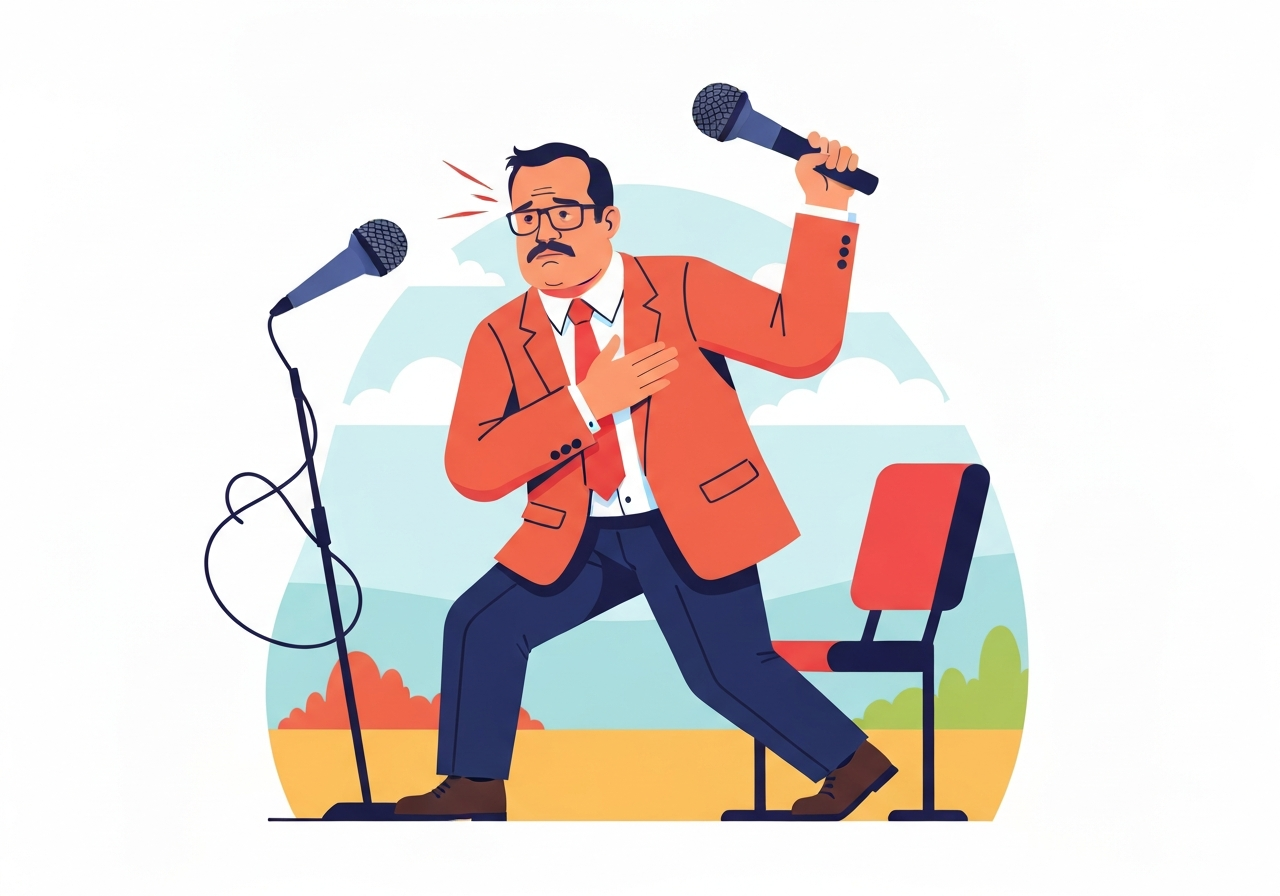
The next day he returned to production for the new season. After rehearsals in the writer’s room he again felt tightness in his chest, excused himself and walked toward his trailer. At that point he phoned a producer and said he believed he was having a heart attack, prompting the decision to summon an ambulance.
Before being taken out of the production area, Carey asked to touch a close friend and colleague, Sam Simon, in a moment he later described as wanting to be sure of human contact before an uncertain medical outcome. At the hospital clinicians treated his blockage with a stent to reopen the artery and stabilize blood flow.
Analysis & Implications
This account highlights two issues: atypical presentation of cardiac events and delays in seeking care. Carey’s initial belief that a heart attack would look like a dramatic collapse is a common misconception; many people experience more subtle or intermittent symptoms that can be misinterpreted, increasing the risk of delayed treatment.
For productions and workplaces, the episode underscores the importance of rapid response protocols and health awareness among cast and crew. On-set medical readiness—clear lines for calling emergency services, access to defibrillators and quick transport—can materially affect outcomes when symptoms appear during work hours.
Medically, a stent is an effective immediate intervention for many forms of coronary blockage but requires ongoing management: antiplatelet medication, cardiac rehabilitation and risk-factor modification such as weight loss and exercise. Carey’s story may spur public conversations about recognizing warning signs and following through with timely evaluation.
Comparison & Data
| Sequence | Action |
|---|---|
| Initial episode | Jogging; heart monitor spike; shoulder numbness; no hospital visit |
| Evening | Dinner with girlfriend; consumed chili spaghetti |
| Next day | Rehearsals; chest tightness in writer’s room; called producer and ambulance |
| Hospital | Stent placed to open blocked coronary artery |
The table summarizes the timeline Carey described. While individual courses vary, clinical guidelines generally advise prompt emergency evaluation for chest pain or new-onset symptoms suggestive of cardiac ischemia; delays are associated with increased heart muscle damage.
Reactions & Quotes
“I think I’m having a heart attack,” Carey told a producer as he left rehearsals and reached his trailer.
Drew Carey
Context: Carey said this statement was made on set after renewed chest tightness and prompted the call for emergency help.
“I just wanted to make sure I touched him before I went off,” Carey recalled about Sam Simon.
Drew Carey
Context: Carey described seeking physical contact with his friend and colleague before being transported to hospital, reflecting the emotional gravity of the moment.
Unconfirmed
- Whether the deer Carey mentioned had any causal or predictive role beyond being a personal anecdote—presented by Carey as an omen—cannot be verified.
- Specific clinical details such as the exact artery treated, degree of blockage, and long-term prognosis were not disclosed in Carey’s account and remain private medical information.
- Timing between the initial jogging episode and the definitive hospital treatment (hours elapsed) is based on Carey’s recollection and has not been independently corroborated.
Bottom Line
Drew Carey’s account is a vivid reminder that heart attacks do not always follow the dramatic script many people expect. Subtle or intermittent symptoms warrant prompt medical evaluation, particularly for individuals with risk factors such as elevated weight or a history of cardiovascular concerns.
For workplaces—especially fast-paced environments like television production—the episode reinforces the value of clear emergency procedures and health education so that symptoms are recognized and acted on quickly. Carey’s treatment with a stent likely reduced immediate risk, but his story underscores the longer-term need for cardiac care and prevention.
Sources
- Entertainment Weekly — Entertainment news outlet; original report summarizing Carey’s comments on Ted Danson’s podcast.