
Lead: On Sept. 4, 2025, this piece examines whether Dunder Mifflin — the fictional paper company at the center of NBC’s The Office — ever truly shuts down in the series’ canon and how readings that invoke the film or idea of “The Paper” help explain ownership change, business survival and the show’s final status: the brand survives in changed form by the series finale, though control and context shift over time.
Key Takeaways
- Dunder Mifflin is fictional but its corporate arc on The Office includes acquisition and restructuring rather than an outright, canonical shutdown.
- Season 6 introduces Sabre as a buyer of Dunder Mifflin; the brand continues under new ownership afterward.
- The series finale (2013) depicts many Scranton employees still connected to the company or its community, implying continuity.
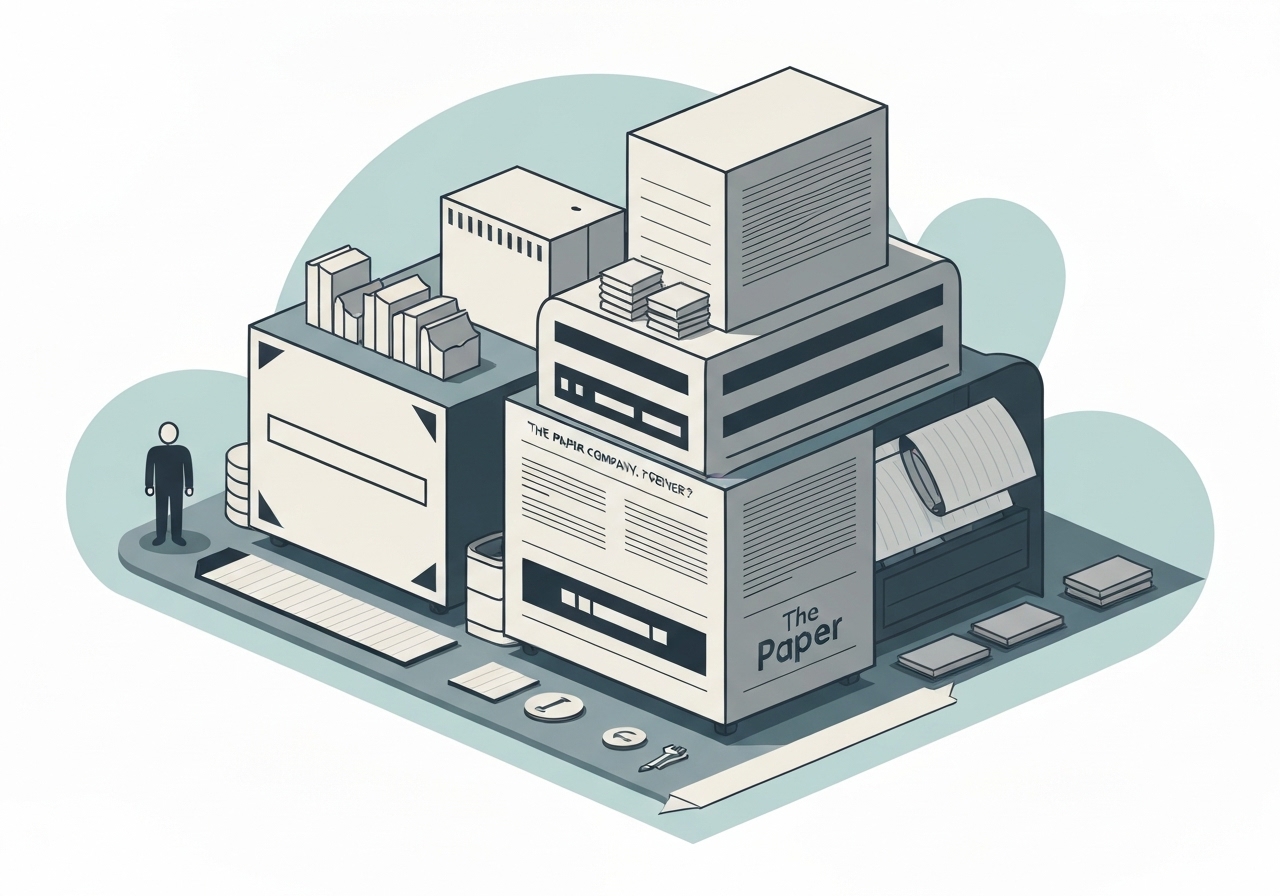
- Interpreting the company’s fate through works about print businesses — broadly grouped here as “The Paper” — highlights industry pressures and narrative closure.
- Cultural readings and fan lore sometimes conflate storyline developments with real-world business outcomes; those claims are often unconfirmed.
Verified Facts
Dunder Mifflin is a fictional paper-supply company created for the U.S. sitcom The Office (NBC). On-screen, the company undergoes ownership changes: the Sabre acquisition is introduced in Season 6, and the series follows the consequences of that transition for regional branches and staff.
Throughout later seasons, the Scranton branch remains an active setting. By the series finale, the documentary project around which the show is framed has aired within the story, and many characters’ professional situations are described or shown, indicating ongoing operations for at least some parts of the company.
The show ran from 2005 to 2013; plot points about corporate purchases, branch closings and personnel moves are scripted events within that span and are documented in episode summaries and production notes.
Context & Impact
Contextually, The Office uses office economics and corporate maneuvering as recurring plot devices. The Sabre acquisition and other ownership shifts are narrative mechanisms that reflect broader themes: staff loyalty, managerial upheaval and the tension between local branch identity and corporate consolidation.
Reading The Office through the lens of works that examine print-business decline or newsroom culture (here referenced generally as “The Paper”) highlights shared motifs: changing technology, consolidation, and how communities adapt. That interpretive angle helps explain why viewers worry about Dunder Mifflin “shutting down” — the risk feels familiar from real-world media and retail stories.
Official Statements
I wish there was a way to know you’re in the good old days before you’ve actually left them.
Andy Bernard / The Office (NBC)
Unconfirmed
- No canonical, post-finale on-screen material (within the original series) shows Dunder Mifflin completely ceasing all operations nationwide; any claim that the brand was fully dissolved after the finale is unconfirmed.
- Reports or fan theories that external, real-world companies acquired the Dunder Mifflin brand as a licensed business are unverified here.
Bottom Line
The Office’s storyline treats Dunder Mifflin as a business that evolves through acquisitions and reorganizations rather than as a firm that is definitively shuttered on-screen. Interpretations invoking “The Paper” — whether the 1990s newsroom film or broader narratives about print-industry decline — illuminate why viewers read the company’s future anxiously, but the canonical record in the series points to continuity under changed management rather than a final shutdown.