
Lead
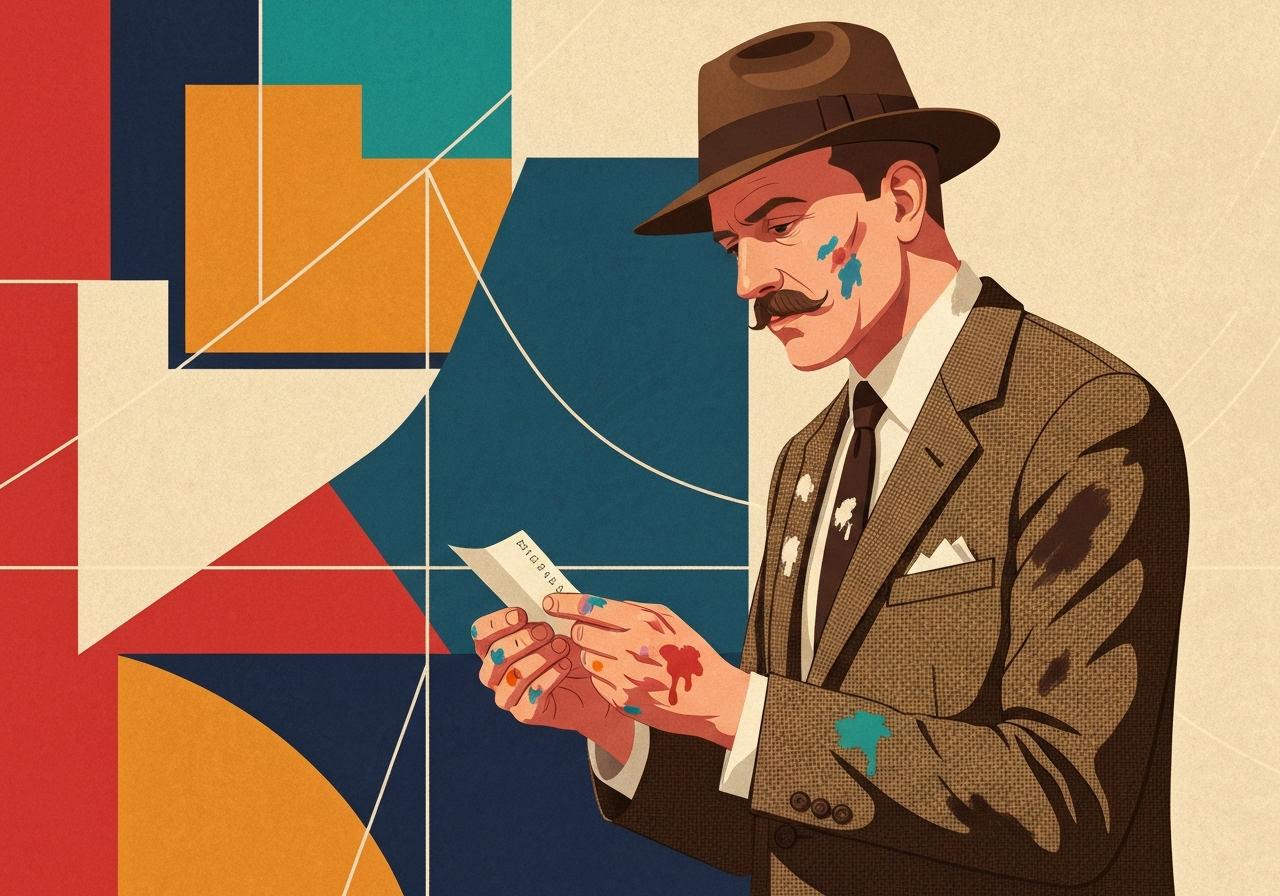
Arthur Brand, a 56-year-old Dutch investigator, has spent roughly 20 years acting as an informal intermediary between police and people who know where stolen artworks are kept. Working largely at his own expense and outside formal law-enforcement roles, Brand says he has helped recover more than 150 paintings and artifacts, including high-profile recoveries in 2016, 2019 and 2023. His work ranges from tracing Nazi-looted pieces to negotiating the quiet return of modern masterpieces, most famously a Van Gogh delivered in a blood-stained pillow inside a blue IKEA bag. Brand’s role—part fixer, part negotiator—fills a gap between mistrustful police units and wary informants.
Key Takeaways
- Arthur Brand, 56, has spent about two decades recovering art, and he reports more than 150 recovered works and objects.
- Notable recoveries cited include a Salvador Dalí in 2016, a Picasso located for a Saudi collector in 2019, and a Van Gogh that appeared on his doorstep in 2023.
- Brand serves as an unpaid bridge between Dutch police and informants; the police art crime unit does not formally employ him.
- His network traces back to introductions from Michel van Rijn and includes former criminals such as Octave Durham, who help reach street-level contacts.
- The Singer Laren museum theft in 2020 left a Van Gogh missing despite a suspect arrest in 2021; Brand later says he negotiated its confidential return.
- Authorities caution that private intermediaries can create risks when motivated by money; Dutch police describe Brand as principally driven by the chase rather than profit.
Background
The modern market for stolen art is layered: pieces are taken for quick financial gain, used as bargaining chips, or hidden for years in private collections. Museums, insurers, families seeking restitution for Nazi-era seizures, and organized-crime actors all operate with different incentives, leaving gaps conventional policing struggles to close. Over recent decades, a handful of private investigators and recovery specialists have emerged to operate in that gap, relying on cultivated informants, confidence-building and informal negotiation techniques.
Arthur Brand’s path into recovery work was organic rather than institutional. He describes an apprenticeship in London after cold-calling Michel van Rijn, an intermediary figure who bridged legal and illicit art markets. Brand learned how underworld networks communicate and learned the limits of loyalty when van Rijn later distanced himself in 2009. Brand’s approach emphasizes keeping commitments and establishing personal credibility in environments where betrayal is expected.
Main Event
Brand says his typical case begins with a tip or a cold lead from someone who knows where a painting is hidden. He then spends months or years cultivating trust, often assuring informants that turning over an object will not automatically trigger arrests or publicity. Because neither side trusts the other—police view informants as unreliable, and informants fear police or rivals—Brand positions himself as an independent intermediary who can offer confidentiality and a path to recovery.
A defining example is the vanishing and recovery of a Van Gogh connected to the 2020 Singer Laren theft. After police arrested a suspect in 2021, the painting remained missing; Brand says a gang later used the work as leverage until keeping it became too perilous. According to Brand, an informant agreed to return the canvas only after receiving personal assurances of safety and discretion.
To seal such deals Brand sometimes calls on trusted associates with street credibility. Octave Durham, a former bank robber who stole two Van Goghs from the Van Gogh Museum in 2002 and has since cooperated with recoveries, is one such contact. Durham’s presence, Brand says, gives hesitant informants confidence that discussions will not end in entrapment or immediate police action.
When the Van Gogh returned in 2023, Brand recounts finding it wrapped in a blood-stained pillow, placed inside a blue IKEA bag on his doorstep. He describes the moment as deeply affecting—evidence, he says, of why he continues the work despite frequent setbacks and personal risk. Brand supplements this recovery work by consulting for galleries and helping families trace art looted during World War II.
Analysis & Implications
Private intermediaries like Brand operate in legal and ethical gray zones. Their methods—relying on confidentiality promises, leveraging criminal contacts, and negotiating outside formal legal channels—can deliver results that police investigations alone sometimes cannot. That said, the approach raises questions about accountability, evidentiary chains and long-term deterrence; confidential recoveries may restore objects but can complicate criminal prosecutions or provenance research.
Brand insists his motives are not financial. Dutch police officials caution that when money is the main driver, recoveries can create dangers for informants and investigators alike. The police art crime unit’s leader has observed private detectives who pursued rewards creating additional risks. Brand’s model—self-funded, public-facing recoveries and a stated focus on return rather than reward—reduces some conflicts but does not eliminate legal or ethical tensions.
On a societal level, his work highlights enduring challenges in cultural-property protection: museums remain vulnerable, organized networks can monetize stolen works, and restitution claims (notably for Nazi-looted art) continue to demand specialized research and negotiation. Brand’s activity also demonstrates how nonstate actors can influence cultural heritage outcomes, for better or worse, by bridging adversarial parties when official channels stall.
Comparison & Data
| Year | Artist / Item | Event |
|---|---|---|
| 2002 | Van Gogh (two paintings) | Stolen from Van Gogh Museum by Octave Durham (reported) |
| 2016 | Salvador Dalí | Recovered by Brand (reported) |
| 2019 | Picasso | Located for a Saudi collector (reported) |
| 2020 | Van Gogh, The Spring Garden | Stolen from Singer Laren museum |
| 2023 | Van Gogh (undisclosed) | Delivered to Brand’s doorstep in a blue IKEA bag |
The table summarizes public milestones Brand or reporting has associated with his work. While it does not capture every recovery or the legal outcomes for suspects, it illustrates the recurring pattern: high-profile theft, prolonged disappearance, informal negotiation and eventual recovery. This model contrasts with cases resolved entirely by police investigation and public prosecution.
Reactions & Quotes
Dutch police acknowledge the pragmatic value of recoveries but warn about private actors driven by reward. Below are representative remarks and context.
“I’ve worked before with private detectives who are doing this for the money. And then it’s always dangerous.”
Richard Bronswijk, head of the Dutch police art crime unit (official)
Bronswijk’s comment frames the police view that financial incentives can produce unsafe or legally problematic outcomes. He distinguishes Brand by noting that Brand has not operated primarily for payment.
“Everybody’s in it for the money, and I’m not. They cannot buy me.”
Arthur Brand (investigator)
Brand uses this line to stress his stated independence. He says he funds much of his own activity and supplements it with legitimate consulting work, including provenance research for families seeking restitution.
“I have contacts on the streets. What takes [Brand] sometimes five, six years to figure out, I could go up to somebody right away.”
Octave Durham (former thief, recovery collaborator)
Durham’s perspective explains the operational division: Brand cultivates networks and credibility over time, while street-level associates convert leads into returns more quickly when discretion and trust exist.
Unconfirmed
- Brand’s claim of more than 150 recovered works is presented as his own total and has not been independently audited in this report.
- Details about the internal motives of multiple gangs or individuals who held specific paintings remain based on informant accounts and Brand’s recounting, not on court records made public here.
- Some reported recoveries (dates or exact works) are summarized from Brand’s statements and NPR reporting; full case files or legal outcomes for every item are not publicly available in all instances.
Bottom Line
Arthur Brand exemplifies a recurring solution to a persistent problem: when formal investigations hit practical or social roadblocks, trusted intermediaries can sometimes recover culturally significant objects. His method depends on personal credibility, years of network-building and a willingness to operate in informal, sometimes risky, spaces.
That effectiveness carries trade-offs. Confidential recoveries can spare owners and informants immediate harm and return works to view, but they can complicate legal accountability and provenance transparency. Policymakers, museums and law enforcement face a choice: strengthen formal investigative capacity and legal safeguards, or accept a continuing role for private intermediaries and create clearer oversight when they act.
Sources
- NPR feature report (news feature)