
Lead
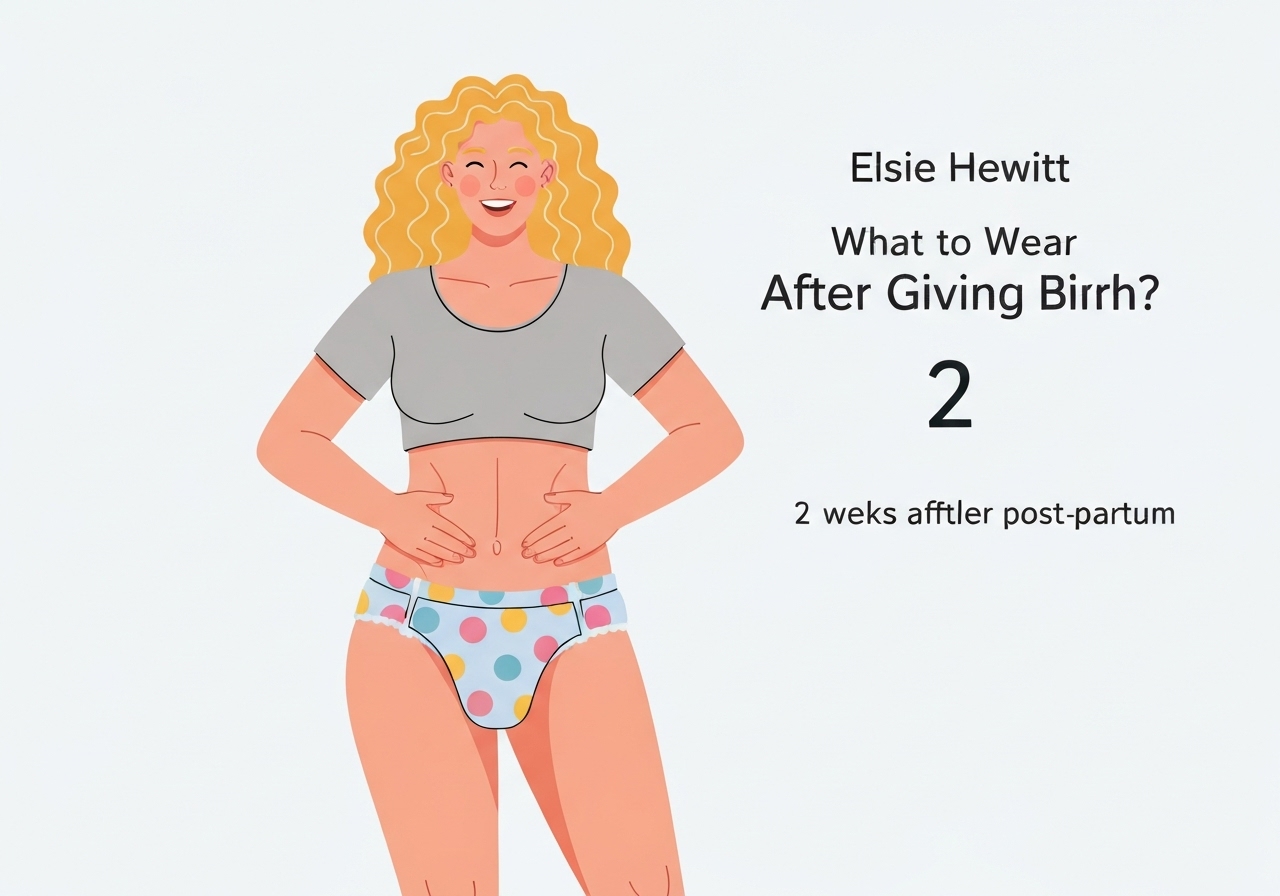
Two weeks after the birth of her daughter on , model Elsie Hewitt posted a selfie showing a visibly toned abdomen and an adult postpartum diaper. The image — shared publicly on Friday, — prompted discussion about postpartum recovery, incontinence management and body-image expectations for new mothers. Hewitt also reiterated she is using normal bathroom facilities despite wearing the undergarment. The post came days after she described her newborn daughter, Scottie Rose Hewitt Davidson, as a “perfect thing.”
Key Takeaways
- Elsie Hewitt gave birth to a daughter, Scottie Rose Hewitt Davidson, on , and posted the selfie two weeks later on .
- The selfie shows a visibly toned midsection and a disposable adult-style postpartum diaper, a garment commonly used for heavy bleeding and urinary leakage after childbirth.
- Hewitt noted she still uses standard restroom facilities rather than relying on the garment for toileting.
- Public reaction ranged from praise for her postpartum physique to questions and discussion about postpartum body care and incontinence management.
- Postpartum incontinence and heavy lochia are common, and many clinicians recommend pelvic-floor rehabilitation and short-term absorbent garments; clinical prevalence estimates vary by study and delivery type.
- Hewitt has posted multiple updates about her newborn and recovery in recent days, describing her baby as a “perfect thing.”
Background
Postpartum recovery covers a wide range of physical experiences, from uterine involution and vaginal bleeding (lochia) to abdominal muscle separation and pelvic-floor changes. Many new mothers use absorbent pads or disposable postpartum garments in the first days and weeks to manage bleeding and leakage; such products are marketed specifically for postpartum needs and for certain urinary or mobility issues.
Public figures regularly shape social conversation about childbirth and recovery: celebrity posts can normalize particular products or timelines, while also setting expectations about how quickly a body “bounces back.” That dynamic matters because recovery speed differs greatly across individuals and depends on factors including mode of delivery, prior fitness, age and access to postpartum care.
Main Event
On Friday, , Hewitt posted a selfie that emphasized both her abdomen and the undergarment she was wearing. The image drew attention not only for her apparent return toward pre-pregnancy abdominal tone, but also for the visible adult-style diaper — a practical item some women choose to manage postpartum bleeding or transient urinary symptoms.
The post included lighthearted copy that foregrounded the garment while also acknowledging ordinary bathroom habits. Media coverage summarized the post and noted Hewitt’s recent social-media comments about her newborn and early days of motherhood. The timing — roughly two weeks after the December 12 birth — placed the photo in the early postpartum window when lochia and variable continence are still common.
Hewitt has shared several social updates about her newborn, including describing the baby as a “perfect thing.” Those posts have attracted attention from fans and outlets interested in both the family news and the personal-recovery details celebrities sometimes disclose.
Analysis & Implications
Celebrity disclosures about postpartum products can influence public perceptions and consumer behavior. When a public figure shows an absorbent postpartum garment, it may reduce stigma around incontinence and bleeding after childbirth, but it can also fuel unrealistic expectations about the speed of physical recovery if the focus shifts to appearance instead of health and healing.
From a clinical perspective, short-term use of absorbent garments is a practical measure for many women managing lochia or transient urinary leakage. Pelvic-floor exercises and physical therapy are often recommended for sustained improvement; however, access to specialized postpartum physiotherapy varies by region and insurance coverage, which affects recovery outcomes.
There is also a commercial angle. Visibility of postpartum products on high-profile accounts can raise demand for specific brands and categories. That may benefit manufacturers but also places responsibility on public discussion to avoid implying that a single product or short timeline represents the normative or ideal recovery path.
Comparison & Data
| Topic | Typical Early Postpartum Experience |
|---|---|
| Bleeding (lochia) | Common for 2–6 weeks, heavier initially, tapering over time (individual variation). |
| Urinary leakage | May affect a subset of women transiently; prevalence estimates vary by study and delivery type. |
| Return of abdominal tone | Highly variable; dependent on prior fitness, delivery type and rehabilitation efforts. |
The table summarizes broad clinical patterns rather than precise probabilities; studies differ in methods and populations, so exact prevalence statistics can range substantially. Readers seeking detailed prevalence figures should consult clinical guidelines and systematic reviews for the most up-to-date estimates.
Reactions & Quotes
“Does this diaper make my abs look toned???”
Elsie Hewitt — Instagram post
The remark accompanied the selfie and framed the garment in a jocular, self-aware way that helped direct the conversation toward both function and appearance.
“a ‘perfect thing’”
Elsie Hewitt — Instagram caption about her daughter, Scottie Rose
Hewitt’s affectionate phrasing about her newborn has been repeated in subsequent coverage and underlines the personal nature of the posts: they are as much family updates as commentary on recovery.
Unconfirmed
- Brand: There is no confirmation Elsie Hewitt was wearing a particular brand such as Depends; media reports included speculation and jokes about brand interest.
- Reason: While many women use postpartum diapers for bleeding or leakage, Hewitt has not provided clinical details explaining her personal reason for the garment.
- Cause of rapid abdominal recovery: The specific medical or fitness reasons for Hewitt’s apparent abdominal tone (e.g., genetics, prior fitness, C-section vs. vaginal delivery, targeted rehabilitation) are not publicly confirmed.
Bottom Line
Elsie Hewitt’s post two weeks after giving birth highlights both a common practical response to early postpartum physical changes (use of absorbent garments) and the cultural spotlight on celebrity postpartum appearance. The image prompted conversations that span practical care, body-image expectations and the role of public figures in shaping postpartum norms.
For readers, the key takeaway is that early postpartum experiences vary widely: short-term use of absorbent products is a legitimate management tool, and visible abdominal tone in one person does not set a universal recovery timetable. When in doubt about bleeding, incontinence or recovery progress, women should seek personalized medical advice from their care provider.