
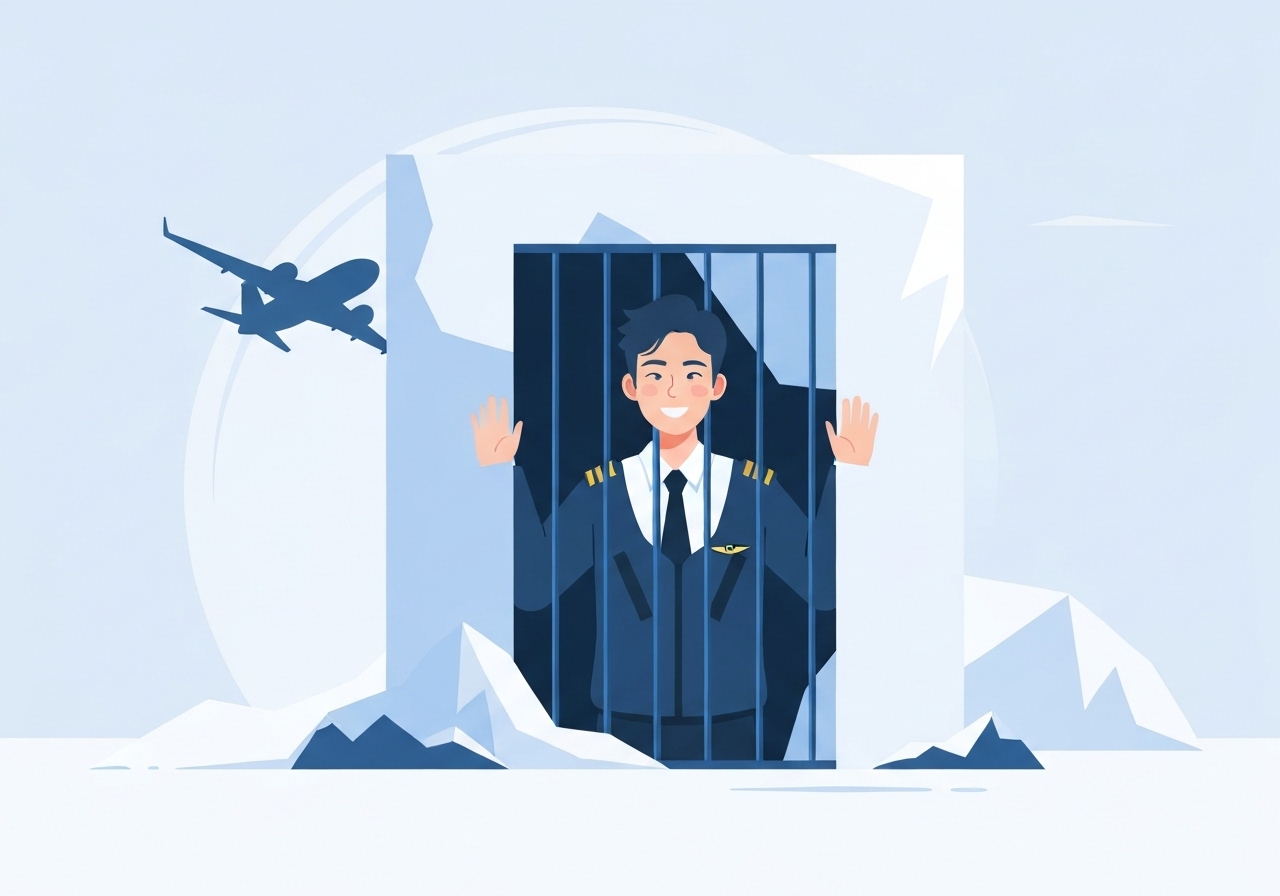
Lead: Ethan Guo, a U.S. social media influencer and pilot, was released from a Chilean military base in Antarctica on Sept. 6, 2025, after spending two months there following an unauthorized landing on June 28; a Chilean court ordered him to pay or donate roughly $30,000, leave Chile promptly and barred him from Chilean territory for three years.
Key Takeaways
- Ethan Guo landed in Chilean Antarctic territory on June 28, 2025, in a Cessna 182Q and was detained at a military base.
- Chilean prosecutors say he provided false flight-plan data and exceeded an authorization that allowed only overflight of Punta Arenas.
- Guo says poor weather forced a diversion and that he had received authorization; his lawyer, Jaime Barrientos, called his arrest excessive.
- A judge released Guo on Sept. 6 on conditions: donate the raised funds to a childhood cancer charity within 30 days, pay about $30,000, and leave Chile; a three-year entry ban was imposed.
- Guo spent two months at the base with limited communications while Antarctic winter temperatures fell below zero Celsius.
Verified Facts
On June 28, 2025, Ethan Guo landed a single-engine Cessna 182Q in territory Chile administers in Antarctica. Chilean authorities detained him at a military airbase while prosecutors reviewed whether he filed misleading flight-plan information and whether his southbound entry had been authorized.
Prosecutors told local authorities that Guo’s flight plan authorized only an overflight of Punta Arenas in southern Chile, not a landing in Antarctica. The government has treated the incident as a breach of aviation and entry rules for Chilean-controlled Antarctic zones.
Guo, who began a fundraising mission for childhood cancer research as a teenager and sought to become the youngest person to fly solo to all seven continents, turned 20 in July while at the base. He lived on the facility for approximately two months with restricted communications and limited freedom of movement.
A Chilean judge ordered Guo released on Sept. 6, 2025, subject to several conditions: he must donate the funds raised — reported as tens of thousands of dollars — to a childhood cancer foundation within 30 days, pay roughly $30,000 in penalties, leave Chile as soon as possible and remain outside Chilean territory for three years.
Context & Impact
Antarctic travel and landings are tightly regulated. Countries operating bases there apply national rules to aircraft movements in the territories they administer. Unauthorized landings can prompt criminal and administrative reviews because of safety, environmental and sovereignty concerns.
The case highlights tensions at the intersection of adventure tourism, influencer-driven fundraising, and aviation oversight. Solo long-distance flights by young pilots attract public attention and raise questions about planning, permissions and risk assessment.
- Regulatory impact: Authorities may tighten preflight checks and overflight/landing authorizations for small aircraft flying toward polar zones.
- Operational impact: Antarctic bases operate under harsh conditions and are not staffed as civilian terminals; unplanned arrivals complicate logistics and safety planning.
Official Statements
“He landed because he had to divert due to poor weather conditions, and he did receive authorization from Chilean authorities,” said Jaime Barrientos, Guo’s lawyer.
Jaime Barrientos, defense lawyer (statement to The Associated Press)
Guo described his detention as a “mundane” experience with “limited freedoms” and praised local hospitality after returning to Punta Arenas.
Ethan Guo (post-release remarks)
Unconfirmed
- Whether Chilean authorities explicitly issued written clearance for the Antarctic landing remains disputed between prosecutors and Guo’s legal team.
- The precise reason for Guo’s alleged false flight-plan data is under review and has not been publicly resolved in full documentation.
Bottom Line
The case closed with a negotiated judicial outcome that avoids prolonged detention but includes fines, mandatory donation of raised funds, and a three-year ban from Chile. It serves as a reminder that ambitious private flights to remote regions must fully comply with national and international aviation and territorial regulations.