
Lead
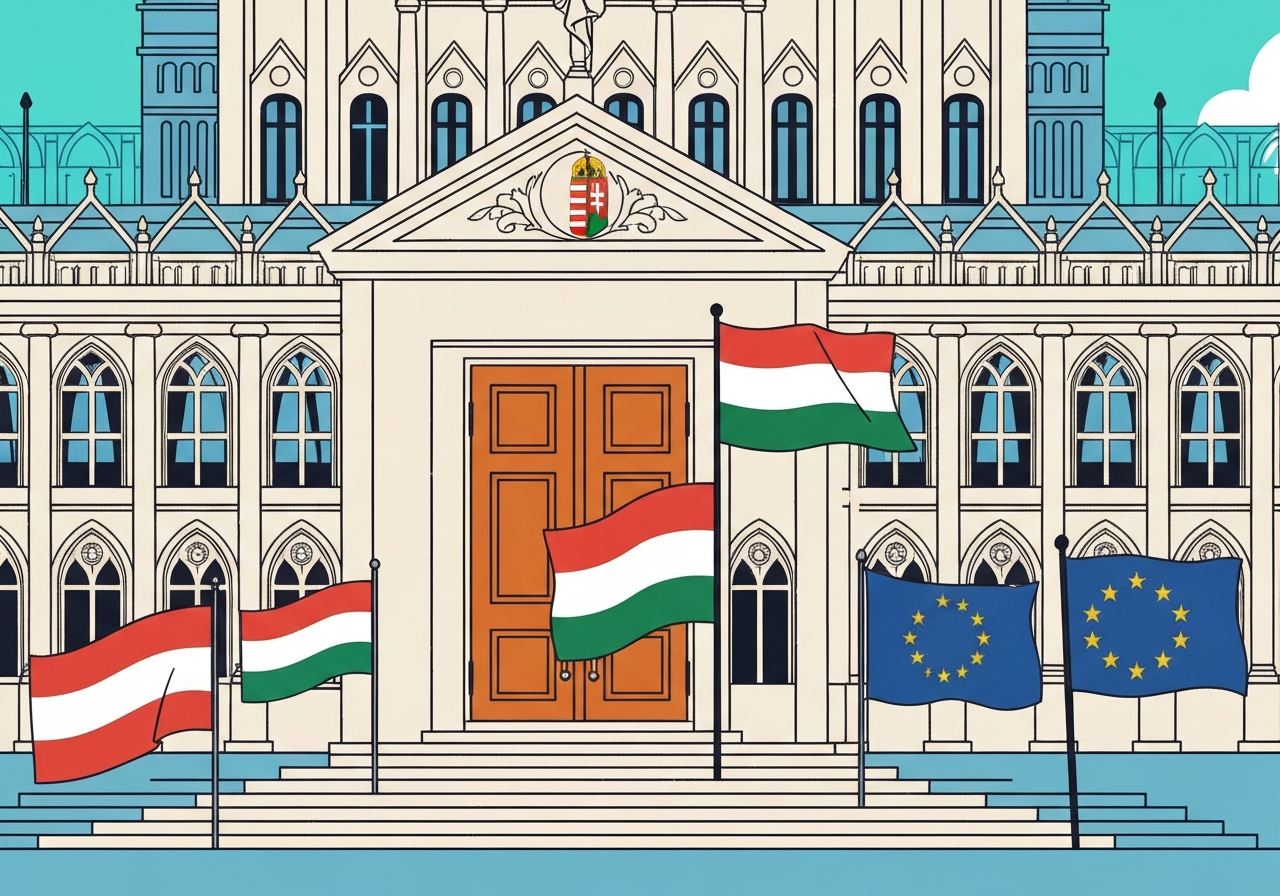
Brussels — On Monday European Union foreign ministers failed to agree a fresh package of sanctions on Russia after Hungary unexpectedly objected, blocking a vote that had been tied to a 90 billion euro loan for Ukraine. The meeting came ahead of the fourth anniversary of Russia’s full-scale invasion of Ukraine, which began on Feb. 24, 2022, and has produced an estimated 1.8 million Russian and Ukrainian soldiers dead, wounded or missing. EU foreign policy chief Kaja Kallas described the outcome as an unwanted setback for the bloc. Hungary’s hold threatened both new measures aimed at Moscow and a major financial package intended to sustain Kyiv’s needs for the next two years.
Key Takeaways
- The EU failed to adopt the 20th sanctions package on Monday after Hungary lodged objections, halting a planned unanimous vote in Brussels.
- Hungary has linked its objection to demands for resumed Russian oil deliveries and signaled it could block a 90 billion euro ($106 billion) EU loan intended for Ukraine over two years.
- Leaders marked the fourth anniversary of Russia’s Feb. 24, 2022 invasion; EU officials stressed the aim to increase the economic cost to Moscow.
- Russian crude shipments through the Druzhba pipeline into Hungary and Slovakia have been interrupted since Jan. 27 following reported damage attributed by some officials to drone attacks.
- EU financial support to Ukraine to date stands at about 194.9 billion euros ($229.8 billion), while member states and institutions seek ways to further constrain Russia’s energy revenues.
- Hungary’s objections come amid a domestic election and an intensified campaign by Prime Minister Viktor Orbán that critics say has framed Ukraine as a political threat.
Background
Since Russia launched a full-scale invasion of Ukraine on Feb. 24, 2022, the EU has repeatedly expanded sanctions aimed at depriving Moscow of revenue and technology needed for its war effort. The proposed measures that stalled on Monday were described by diplomats as the 20th package, targeting shadow shipping networks and energy income that help finance the conflict. The EU’s sanctions process requires unanimity among member states for foreign policy measures, giving any one capital the ability to delay or block adoption.
Energy dependence has complicated unified action. While most European states sharply curtailed Russian imports after the invasion, Hungary and Slovakia have kept receiving Russian oil and gas and obtained temporary exemptions from EU bans on Russian crude. The Druzhba pipeline, which carries Russian crude across Ukraine into Central Europe, suffered damage on Jan. 27 and deliveries to Hungary and Slovakia were interrupted, creating additional pressure on Budapest and feeding political friction within the bloc.
Main Event
Ministers convened in Brussels on Monday with plans to finalize sanctions and the 90 billion euro loan package for Kyiv, but talks collapsed after Hungary raised last-minute objections. Kaja Kallas, the EU’s chief diplomat, said the result sent “a message we did not want to send,” framing the failure as a setback for coordinated European action. Diplomats in the meeting described urgent efforts to reconcile the differing positions, but no agreement was reached by day’s end.
Hungary, widely perceived as the EU’s most Russia-friendly member state, demanded a return of Russian oil shipments as a condition for approving the measures. Budapest had earlier signaled reservations about aspects of the sanctions and emphasized energy security, saying it could not accept steps that would threaten supply to Hungarian consumers or industry. Hungarian Foreign Minister Péter Szijjártó told reporters before the meeting that protecting Hungary’s energy needs was non-negotiable.
Prime Minister Viktor Orbán intensified his rhetoric on Monday, asserting that Ukraine was deliberately blocking oil deliveries and accusing Kyiv of trying to influence Hungary’s domestic politics ahead of a national election. Other EU leaders pushed back, saying sanctions and financial support for Ukraine are essential to raise the costs for Moscow and to preserve European security. German Chancellor Friedrich Merz, at a pro-Ukrainian event in Berlin, called the last four years “monstrous” and urged continued support for Kyiv.
Analysis & Implications
The immediate consequence is a delay in measures designed both to squeeze Russia’s economic lifelines and to provide Ukraine with predictable funding for military and civilian needs. If the loan is postponed, Kyiv would face an additional fiscal squeeze at a moment when international financing remains crucial for sustaining defense operations and public services. EU officials are likely to pursue alternative financing arrangements, but those workarounds could be slower or less transparent than a single, collectively backed package.
Politically, the episode spotlights a structural vulnerability in the EU’s decision-making: the unanimity requirement for foreign policy allows a single member state to leverage national priorities, including electoral politics, into bloc-wide outcomes. That dynamic raises questions about the EU’s capacity to sustain prolonged, high-cost pressure on Russia if votes can be held hostage to domestic agendas. The dispute also underscores how energy interdependence can be weaponized at the political level.
For Russia, a temporary halt to new sanctions could ease some immediate pressure on targeted sectors, but the broader trend of sanctions and curtailed energy imports from much of Europe remains intact. The long-term efficacy of sanctions depends on consistency among major economies and on closing loopholes such as shadow shipping, which the 20th package aimed to address. Failure to adopt new measures now may encourage Moscow to test European cohesion further.
Comparison & Data
| Item | Value |
|---|---|
| Proposed EU loan for Ukraine | 90 billion euros (~$106 billion) |
| EU financial assistance to Ukraine to date | 194.9 billion euros (~$229.8 billion) |
| Reported casualties (soldiers dead/wounded/missing) | 1.8 million (Russian and Ukrainian combined, estimate) |
| Druzhba pipeline interruption | Deliveries halted since Jan. 27 |
The table places the stalled loan in the context of cumulative EU assistance and the human cost of the conflict. The loan represented a forward-looking commitment covering military and economic needs for two years, while 194.9 billion euros reflect past disbursements and support mechanisms already delivered.
Reactions & Quotes
European leaders issued immediate responses underscoring unity with Ukraine even as procedural unity within the EU faltered.
This is a setback and a message we did not want to send today.
Kaja Kallas, EU foreign policy chief
Kallas framed the failed vote as harmful to the EU’s credibility. Her comment came after hours of talks in Brussels where diplomats tried, but failed, to secure unanimous backing.
Do not let up in your support for Ukraine; we are standing at a crossroads that could decide the well-being of our whole continent.
Friedrich Merz, Chancellor of Germany
Merz used a pro-Ukrainian event in Berlin to call for continued pressure on Moscow, linking the sanctions debate to broader European security concerns.
No one has the right to put our energy security at risk.
Péter Szijjártó, Hungarian Foreign Minister
Szijjártó’s remarks ahead of the meeting highlighted Budapest’s insistence that energy supply considerations be prioritized, reflecting domestic political sensitivities during an election period.
Unconfirmed
- That Ukraine intentionally blocked Russian oil shipments into Hungary — this assertion has been made by Hungarian leaders but lacks independent confirmation in available reporting.
- That drone attacks definitively caused the Jan. 27 Druzhba pipeline damage — some officials say so, but investigations and independent verification remain incomplete.
- Whether Hungary will formally veto the loan rather than negotiate further concessions — Budapest issued threats and conditions but the final decision and any bargaining remain unresolved.
Bottom Line
Monday’s failure to adopt new sanctions exposes a fragile seam in EU foreign policy: unanimity can allow national interests and electoral politics to override collective responses to an ongoing war. The blocked measures would have targeted shadow shipping and energy revenues that help fund Moscow’s war effort, and their pause reduces immediate pressure on those channels.
For Ukraine, the most urgent risk is a delay or alteration in planned funding that was intended to sustain military and economic needs for two years. For the EU, the episode will likely prompt renewed discussion about how to balance unanimity with the need for rapid, coordinated action on foreign policy and security matters. Observers should watch for diplomatic follow-ups, potential alternative financing mechanisms for Kyiv, and whether internal EU rules or practices are adjusted to prevent single-member deadlock in future crises.