
Lead
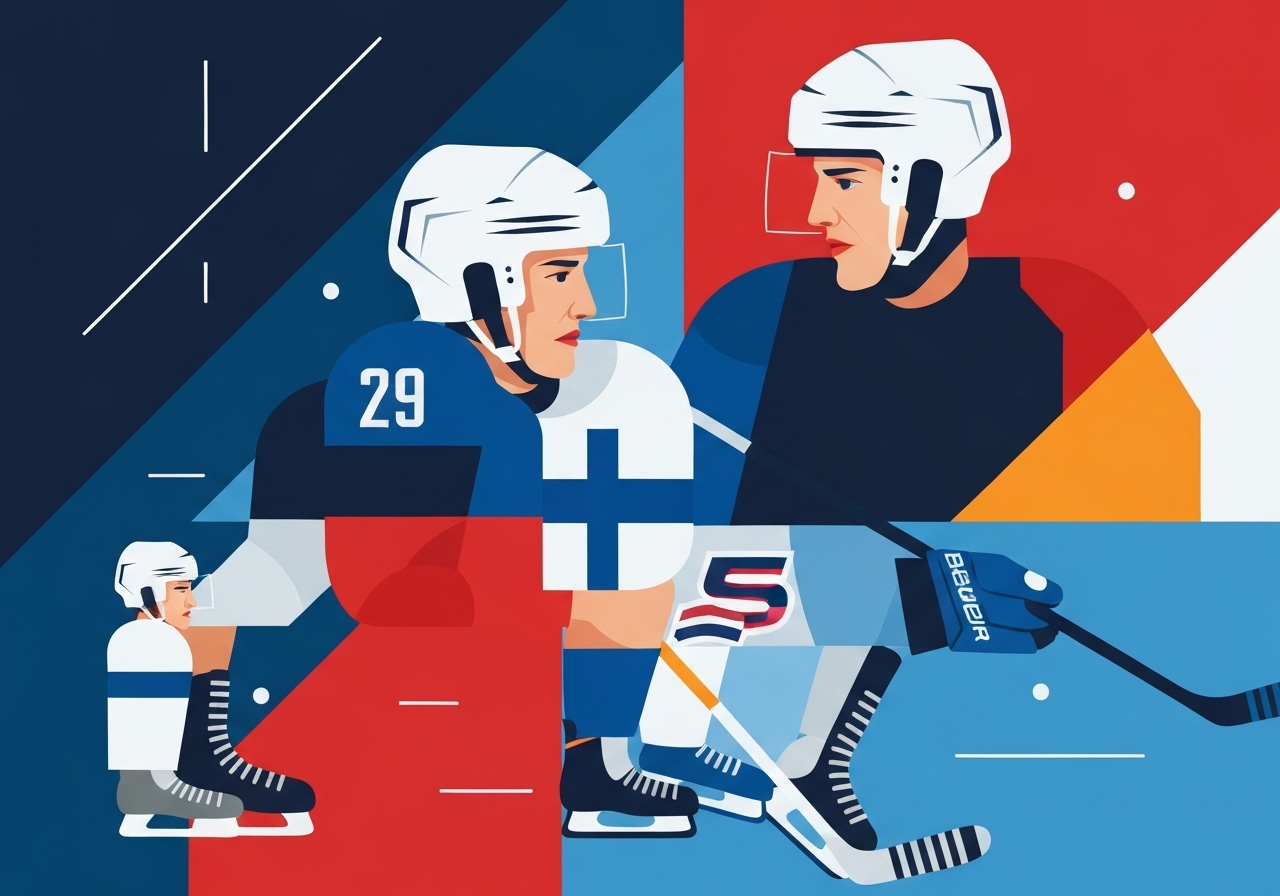
On Jan. 2, 2026 in St. Paul, Minn., Finland edged two-time defending champion the United States 4-3 in overtime in a World Junior Hockey quarterfinal. Arttu Valola scored at 2:11 of overtime to seal the upset and send Finland into a semifinal against Sweden. The U.S. rallied late in regulation — Lee Ryker tied the game with 1:33 remaining — but could not find a winner in extra time. The result avenges Finland’s 4-3 overtime loss to the Americans in last year’s final in Ottawa.
Key Takeaways
- Final score: Finland 4, United States 3 (OT); Arttu Valola scored at 2:11 of overtime.
- Semifinals set: Finland will face Sweden on Sunday; Canada meets Czechia in the other semi.
- Late drama: Michigan State’s Lee Ryker tied the game for the U.S. with 1:33 left in regulation; Notre Dame goalie Nick Kempf was pulled for an extra attacker.
- Third-period swing: Lee Tuuva and Joona Saarelainen scored 55 seconds apart in the third to give Finland a temporary 2-1 lead; Saarelainen assisted on Tuuva’s tying goal and was involved in the go-ahead tally.
- U.S. contributors: Boston University defenseman Cole Hutson finished with a goal and an assist; Cole Eiserman added a power-play goal earlier in the game.
- Goalie stats: Finland’s Petteri Rimpinen stopped 28 shots; Kempf made 21 saves for the U.S.
- Other quarterfinals: Sweden beat Latvia 6-3; Canada routed Slovakia 7-1 (five goals in the first period); Czechia defeated Switzerland 6-2.
- Relegation outcome: Germany beat Denmark 8-4 in the relegation game to retain a main-tournament spot for next year.
Background
The IIHF World Junior Championship is an annual under-20 tournament that draws top prospects and national programs; the United States entered the 2026 knockout rounds as two-time defending champions after winning previous editions. Last year’s final in Ottawa ended with a 4-3 overtime U.S. victory over Finland, making Friday’s quarterfinal a de facto rematch between the same nations. The tournament’s single-elimination phase places a premium on timely goaltending, disciplined special teams and depth, where a single turnover or power-play opportunity can swing a game.
Both teams arrived in St. Paul having shown offensive firepower earlier in the event: the Americans won three straight in preliminary play before dropping their last two, including a 6-3 loss to Sweden in the group finale on Wednesday. Finland’s roster mixes experienced junior internationals and club-level talent; captain Aron Kiviharju has been a steadying presence and emphasized team focus after the final buzzer. Coaching staffs for both sides leaned on tactical matchups, hoped-for quick line changes and reliance on young goaltenders to handle heavy shot volumes.
Main Event
The quarterfinal unfolded as a back-and-forth contest with momentum shifting multiple times. In the second period, Boston University’s Cole Hutson opened the scoring with a rush 35 seconds into the period and later recorded an assist, underscoring his quick return after missing two games following a head impact versus Switzerland. Heikki Ruohonen’s quick shot (4:46) tied the game, and Cole Eiserman converted a power play with 9:45 left in the second to put the U.S. ahead.
Finland answered in the third when Lee Tuuva tied the game at 2 with 7:17 remaining, and 55 seconds later Joona Saarelainen finished a sequence set up by Tuuva to give Finland a lead. Saarelainen had earlier assisted on Tuuva’s tying goal, illustrating the Finns’ quick passing and support play in the offensive zone. The U.S. regained life late: Lee Ryker’s goal at 1:33 left in regulation forced overtime after his teammates had pulled the goaltender for an extra attacker.
Overtime was decided early when Arttu Valola scored at 2:11 of the extra period, beating Notre Dame’s Nick Kempf and sending the Finns through. Petteri Rimpinen’s 28 saves were a key factor; he faced sustained pressure at times but came up with high-leverage stops. After the final whistle, both benches acknowledged the thin margins that separated advancement from elimination in a knockout setting.
Analysis & Implications
Finland’s win has both immediate and longer-term implications for the tournament and player development narratives. Immediately, Finland advances into a high-profile semifinal against Sweden, creating a Nordic showdown that pits contrasting styles: Finland’s structured transition game against Sweden’s fast, high-tempo attack. That matchup will test Finland’s ability to suppress odd-man rushes and maintain discipline on the penalty kill.
For the United States, the loss exposes special-teams inconsistencies and moments of defensive breakdown that opponents can exploit in elimination play. The Americans scored prolifically earlier in the tournament but conceded too many Grade-A chances in the quarterfinal; coach Bob Motzko noted his players “gave it all” but came up short. How the U.S. program responds in future editions will hinge on player progression at the college and junior-pro levels and on how coaching staffs adjust systems in pressure games.
Individually, several players enhanced or reaffirmed their draft- and development-day stock. Rimpinen’s composure and Valola’s overtime finish will draw attention from scouts evaluating clutch performance; similarly, Eiserman and Hutson reinforced their reputations as impact contributors for the U.S. The outcome also underlines the volatility of single-elimination junior hockey, where a single overtime goal separates triumph from tournament exit.
Comparison & Data
| Match | Score | Notable facts |
|---|---|---|
| Finland vs United States | 4–3 OT | Valola OT winner (2:11); Rimpinen 28 saves |
| Sweden vs Latvia | 6–3 | Anton Frondell two goals; Sahlin Wallenius 1G, 2A |
| Canada vs Slovakia | 7–1 | Five first-period goals; Jack Ivankovic in net |
| Czechia vs Switzerland | 6–2 | Six Czech scorers across the lineup |
The table summarizes quarterfinal results and immediate takeaways: Finland’s overtime win required timely goaltending and finishing, Sweden’s multi-goal attack kept them perfect through five games, and Canada’s explosive first period created an insurmountable early lead. These scorelines reinforce how different team identities—defense-first versus high-octane offense—succeed at the junior level depending on execution and game flow.
Reactions & Quotes
Players and coaches framed the outcome in sportsmanlike terms, acknowledging both quality of opponent and fine margins.
“Got to give credit to the U.S. … That’s a hell of a team. But I said we wanted that revenge from last year, and I think we kind of earned it tonight.”
Aron Kiviharju, Finland captain
Kiviharju’s comment came immediately after the game; he emphasized team focus and the emotional weight of reversing last year’s final result. Finland framed the win as collective, noting execution on the power play and in transition.
“I thought we made good plays for a lot of the game… But the little bounces that they got, a lot of their Grade-A chances came from our mistakes.”
Cole Hutson, United States defenseman
Hutson reflected on the small errors that produced Finland’s best chances and acknowledged the team’s overall competitive effort. He also highlighted his own return to form after missing two games due to a hit to the head.
“It was an honor to coach this group… Give Finland credit. It’s an empty feeling right now, but our guys gave it all they had.”
Bob Motzko, U.S. head coach
Motzko framed the loss in respect for the opponent and pride in his players’ effort, noting the thin margins in knockout hockey and the emotional aftermath of exiting as defending champions.
Unconfirmed
- Final health status of players listed as day-to-day (team injury reports pending) remains unconfirmed ahead of the semifinals.
- Exact tactical line-matching plans Finland will use against Sweden have not been publicly detailed and may change before puck drop.
- Any longer-term impact on individual NHL draft rankings is speculative until scouts finalize reports after the tournament.
Bottom Line
Finland’s 4-3 overtime victory over the United States is a significant tournament moment: it avenges last year’s final loss, advances Finland into a high-stakes semifinal with Sweden, and underscores the unpredictability of single-elimination junior hockey. The Americans, despite strong individual performances and earlier tournament success, were undone by a combination of opponent finishing and critical mistakes at key moments.
Looking ahead, the semifinal matchups promise contrasting styles and narrative weight—Finland vs Sweden is a regional rivalry with different tactical approaches, while Canada vs Czechia pairs a heavy favorite against a resurgent Czech side. For scouts, coaches and fans, the remainder of the event will offer a final, concentrated look at the next generation of elite talent and how they perform under pressure.
Sources
- ESPN (sports media) — game report and quotes
- IIHF (official governing body) — tournament structure and official schedules/results
- Associated Press (news agency) — wire reporting on match outcomes