
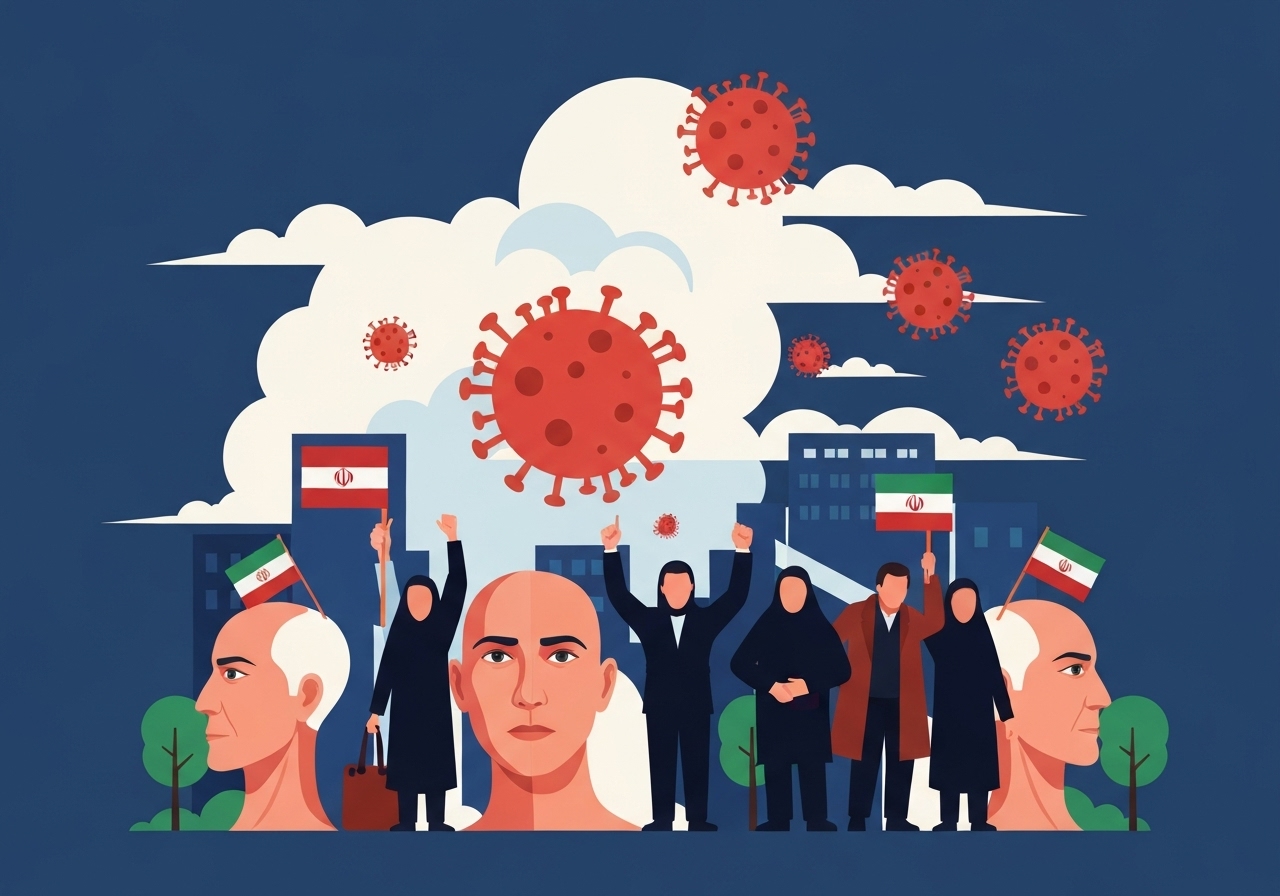
Lead: Public health data show the U.S. flu season has surged: the Centers for Disease Control and Prevention estimates at least 7.5 million illnesses and more than 3,100 deaths so far as a new subclade of influenza A(H3N2) spreads after emerging in Australia this summer. Health officials say the current vaccine was formulated before that strain appeared, reducing its match though early U.K. data suggest protection against hospitalization remains. At the same time, geopolitical tensions are rising: U.S. forces conducted a strike inside Venezuela this week, and Iran has seen its largest street protests in years over a collapsing economy and soaring inflation.
Key Takeaways
- The CDC estimates at least 7.5 million flu illnesses and 3,100 deaths in the U.S. this season, with cases expected to rise in the coming weeks.
- The surge is driven mainly by subclade K of influenza A(H3N2), first detected over the Southern Hemisphere winter in Australia.
- Early U.K. data indicate current vaccines still reduce the risk of hospitalization, even if they are imperfect matches.
- President Trump disclosed a U.S. strike on a Venezuelan dock allegedly used for narcotics trafficking — the first known U.S. strike inside Venezuela, prompting critics to warn of escalation risks.
- Thousands in Iran are protesting economic decline, record-low currency values and high inflation amid grievances about shortages, corruption and recent conflict with Israel.
- Public-health experts warn that a vaccine-mismatch season can still be mitigated by better uptake of antivirals, targeted messaging and hospital surge planning.
Background
The seasonal influenza vaccine is selected months ahead of the Northern Hemisphere season based on circulating strains observed in the Southern Hemisphere and global surveillance. This year, a genetic variant of A(H3N2) — labeled subclade K — diversified after spreading through Australia over their winter, creating a strain profile that differs from the one used to make many vaccine doses for the Northern Hemisphere. Influenza A(H3N2) seasons historically cause more outpatient visits and hospitalizations among older adults and young children, which is why a reduced vaccine match raises concern among clinicians and health systems.
On the geopolitical side, U.S. counter-narcotics operations in recent years focused largely on maritime interdiction in international waters. The strike this week on a Venezuelan dock, described by U.S. officials as aimed at facilities used to load narcotics, represents a geographic escalation. Venezuela’s government under Nicolás Maduro calls such raids violations of sovereignty; U.S. officials frame them as part of a broader drug-control campaign. Meanwhile in Iran, the economy has suffered sustained pressures from sanctions, currency depreciation and inflation, and months of localized grievances over water, energy and governance have set the stage for larger street demonstrations.
Main Event
Health surveillance data compiled by the CDC show a marked uptick in outpatient visits, emergency department activity and hospital admissions linked to influenza A(H3N2). The agency’s current estimates — 7.5 million illnesses and more than 3,100 deaths — capture the season through the most recent reporting week and reflect an increase compared with early-season baselines. Laboratory sequencing identifies subclade K as the dominant A(H3N2) lineage now circulating in much of the U.S., a lineage first observed and characterized in Australia over the summer.
Vaccine developers and public-health officials note that seasonal vaccines were formulated prior to the emergence of subclade K. That timing produced a mismatch between circulating viruses and vaccine antigens for some vaccine lots. Nevertheless, real-world vaccine effectiveness (VE) studies from the U.K. and other early-season data indicate that vaccines still confer measurable protection, especially against severe disease and hospitalization, even when they are not a perfect genetic match to the dominant strain.
In Venezuela, U.S. authorities publicly described a targeted strike at a dock accused of being used to load narcotics onto vessels. White House and Pentagon statements emphasized counter-drug objectives; critics warned the operation increases risks to civilians and could draw the U.S. into broader confrontation with Venezuelan forces. The action is the first publicly acknowledged U.S. strike inside Venezuelan territory and follows a pattern of stepped-up pressure on Maduro’s government.
Across Iran, demonstrations have swelled in multiple cities as households face record inflation and a sharply devalued currency. Protesters cite rising prices, shortages in water and electricity in some regions, and frustration with corruption and governance as proximate drivers. The unrest follows a costly 12-day conflict with Israel over the summer that, according to several regional analysts, has further strained Iran’s economy and public patience.
Analysis & Implications
For public health, the combination of a dominant H3N2 subclade and a less-than-ideal vaccine match raises the prospect of higher outpatient caseloads and more hospital pressure over the weeks ahead. H3N2-predominant seasons tend to hit older adults harder; hospitals should prepare for increased bed demand, staff strain and antiviral supply needs. Vaccination still reduces severe outcomes, so accelerating uptake — including among high-risk groups and through targeted campaigns — can blunt the worst impacts.
Communications matter: early U.K. findings about preserved protection against hospitalization are an important counterpoint to headline concerns about mismatch. Clear messaging from public-health leaders emphasizing vaccine benefits, prompt antiviral use for eligible patients and nonpharmaceutical measures (hand hygiene, staying home when sick) will affect both illness trajectories and public trust. Some experts have criticized the federal campaign’s visibility and urged stronger outreach in hard-hit communities.
The strike inside Venezuela has geopolitical implications beyond counter-narcotics aims. It signals a willingness by the United States to operate on Venezuelan soil, which critics say raises escalation and sovereignty risks. For Caracas, the action is likely to be framed domestically as aggression, potentially hardening positions and complicating diplomatic de-escalation. Regionally, neighbors will be watching for spillover effects on migration, maritime security and illicit trafficking routes.
In Iran, mass economic protests risk amplifying political instability, especially if economic contraction continues or if new conflict with Israel resumes. Sustained street movements can force governance shifts or concessions but can also provoke crackdowns that intensify social-political tensions. Internationally, larger unrest could disrupt regional markets and energy flows and complicate diplomatic efforts tied to sanctions relief or negotiated settlements.
Comparison & Data
| Indicator | Current season (CDC) |
|---|---|
| Estimated illnesses | 7,500,000+ |
| Estimated deaths | 3,100+ |
| Dominant lineage | Influenza A(H3N2) subclade K |
| Vaccine match | Partial — formulated before subclade K emerged |
The table above summarizes official CDC estimates for the current U.S. season and the viral lineage driving the surge. Those illness and mortality estimates are provisional and updated weekly as additional reports are processed. Comparing seasons is complicated by changes in testing, healthcare-seeking behavior and data lags, which is why public-health agencies emphasize trends and rates rather than single weekly counts.
Reactions & Quotes
Officials, experts and the public have offered immediate responses to the converging developments in health and geopolitics.
“The new H3N2 subclade explains the spike in cases; vaccination remains our best tool to prevent severe illness.”
NPR health correspondent Gabrielle Emanuel (paraphrased)
Context: Emanuel conveyed that while the strain is driving case counts, existing vaccines still lower the risk of hospitalization, and public-health outreach is critical.
“A strike inside Venezuela marks an escalation with real risks to civilians and regional stability.”
NPR correspondent Franco Ordoñez (paraphrased)
Context: Ordoñez highlighted critics’ concerns that operations on Venezuelan territory could increase the chance of unintended harm and a broader confrontation.
“Economic pressures and recent conflict have deepened public frustration; protests could grow if conditions worsen.”
Djavad Salehi-Isfahani, economics professor, Virginia Tech (paraphrased)
Context: Salehi-Isfahani linked the economic drivers and recent regional conflict to the potential for larger unrest in Iran.
Unconfirmed
- Whether vaccine manufacturers will amend vaccine composition mid-season or produce an updated formulation — that process is complex and generally not done during a season.
- Exact civilian casualty figures, if any, from the Venezuela strike remain unverified by independent monitors at the time of reporting.
- The degree to which Iran’s protests will translate into sustained political change or precipitate a harsher security response is uncertain and depends on economic trends and state decisions.
Bottom Line
The immediate public-health priority is limiting severe influenza illness: although a new H3N2 subclade is driving case growth, vaccination combined with antivirals and standard prevention measures can substantially reduce hospitalizations and deaths. Health systems should prepare for rising demand while communicators stress the vaccine’s role in preventing severe outcomes even in a mismatch season.
On geopolitics, the U.S. action inside Venezuela and widening protests in Iran underscore a fraught regional environment where economic distress, localized grievances and recent conflict can interact to produce rapid changes. Policymakers face trade-offs between short-term operational goals and the risks of escalation; observers should watch hospital metrics and protest trajectories closely in the coming weeks for signs of widening impact.
Sources
- NPR — Up First newsletter, Dec. 31, 2025 (media)
- Centers for Disease Control and Prevention — FluView weekly report (official public-health data)
- UK Health Security Agency — early vaccine effectiveness reports (official public-health data)
- Reuters coverage of U.S. operations in Venezuela and Iran protests (international news agency)