
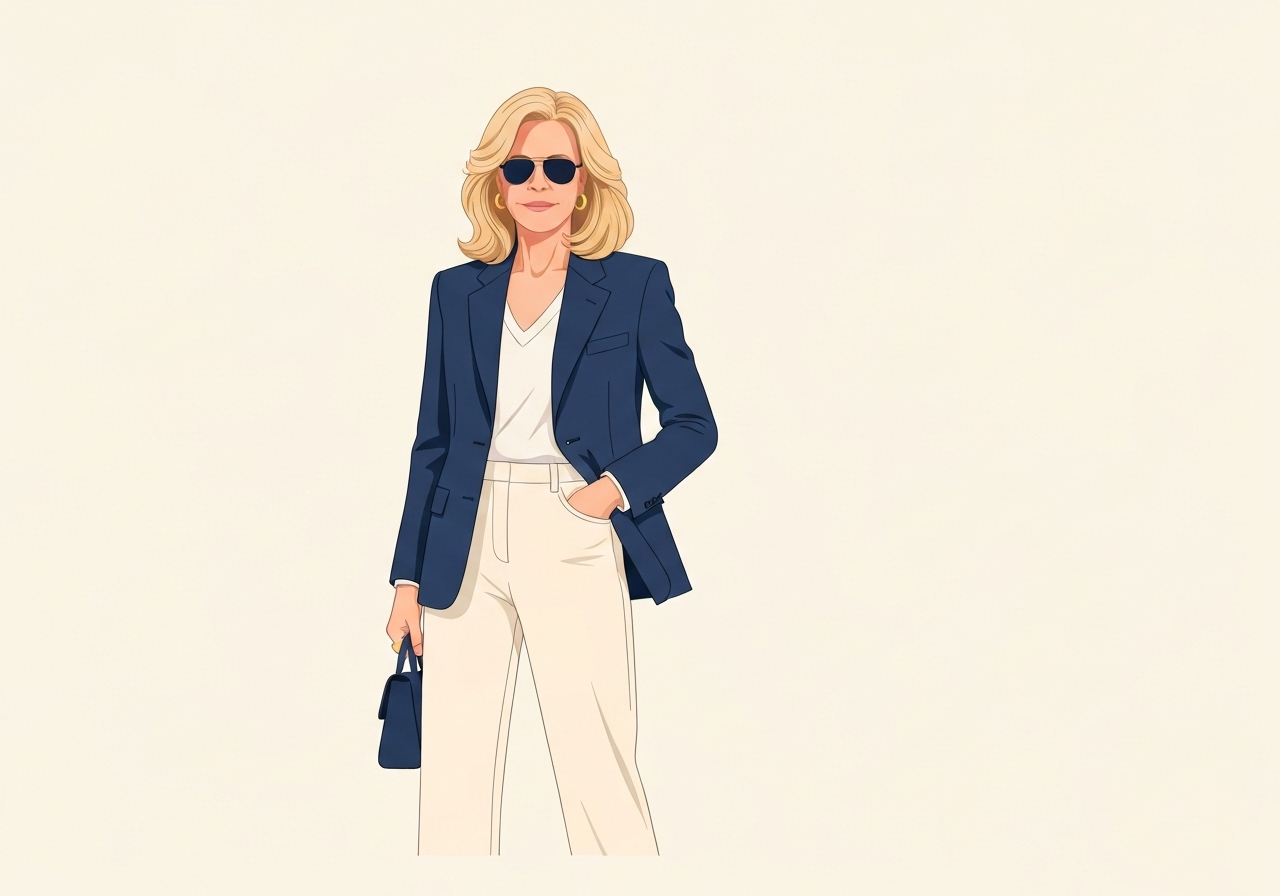
Jane Fonda on December 2025 released a satirical short that reworks Nicole Kidman’s recent AMC Theatres spot to criticize the proposed Netflix acquisition of Warner Bros. Discovery (WBD). The parody, staged inside a movie theater, echoes Kidman’s cadence while replacing celebration with warnings about consolidation’s effects on creativity, jobs and independent media. Fonda’s clip follows Netflix’s announcement of an $82.7 billion bid for WBD and Paramount’s prompt hostile offer of $30 per share, and it frames the corporate drama as a broader threat to free expression and cultural diversity. The piece has since stirred public debate about antitrust oversight and the cultural consequences of media consolidation.
Key Takeaways
- Jane Fonda released a parody of Nicole Kidman’s AMC ad in December 2025 to voice antitrust concerns tied to the Netflix–WBD deal.
- Netflix announced a proposed acquisition of Warner Bros. Discovery valued at $82.7 billion, an implied price around $28 per WBD share.
- Paramount responded with a hostile cash bid of $30 per share shortly after Netflix’s announcement.
- Fonda argues consolidation would reduce jobs, creative risk-taking and diversity of news and entertainment sources.
- Industry leaders and politicians, including Senator Elizabeth Warren, quickly framed the transaction as an antitrust and competition issue.
- The parody was produced with The Groundlings and tied to Fonda’s revived Committee for the First Amendment, emphasizing organized pushback.
Background
The media landscape has seen waves of consolidation for decades, driven by technology, investor pressure and the pursuit of scale in streaming distribution. Recent years accelerated that trend as streaming platforms chased subscribers and content libraries became strategic assets; studios and streamers have merged or struck deep licensing deals to secure catalogues and direct-to-consumer reach. Warner Bros. Discovery, formed by previous mergers and restructurings, has become a focal point because its assets span film, television and streaming — making it a high-value target for bidders seeking market leverage. Antitrust regulators in the U.S. and abroad have grown more attentive to media combinations that could narrow competition or concentrate influence over news and cultural narratives.
Public figures and advocacy groups have historically used cultural interventions to shape merger debates; Fonda’s intervention follows that tradition. Her father founded the original Committee for the First Amendment during the McCarthy era, and Fonda has revived the name to mobilize against perceived threats to free expression tied to corporate consolidation. The Netflix proposal and Paramount’s counteroffer create an unusual dynamic: a strategic acquisition pitched by a streaming giant and an immediate hostile cash bid from a legacy studio, both raising distinct regulatory and industry questions. The coming weeks are likely to see commentary from industry trade groups, labor representatives, creators, and federal regulators who must weigh competition risks alongside corporate arguments about efficiencies and innovation.
Main Event
On Dec. 5, 2025, Netflix disclosed it had offered to buy Warner Bros. Discovery for $82.7 billion, a valuation that market reports equated to roughly $28 per share. Paramount quickly announced a hostile cash bid of $30 per share, setting up a bidding clash that caught Hollywood and Washington’s attention. Fonda’s parody directly references those headlines, placing the merger debate in the cinematic setting of an AMC theater and inverting the original ad’s celebration of the theatrical experience.
In the spoof, Fonda imitates Kidman’s entry and lines but subverts them to highlight what she describes as “pre-digested” content and the cozy relationship between big tech money and programming choices. The sketch ends with an on-stage interruption — a performer telling her the theater will be demolished to build a data center — a rhetorical image meant to dramatize fears that consolidation substitutes cultural space with infrastructure controlled by conglomerates. The short was produced with The Groundlings, a group known for sketch comedy and producing SNL talent, signaling a deliberately theatrical, public performance aimed at sparking discussion rather than formal lobbying.
Fonda supplemented the video with a written statement via her revived Committee for the First Amendment, asserting that a deal at this scale would be harmful to creative workers, news diversity and free expression. Her statement explicitly tied the consolidation risk to political considerations, warning that merger review could be leveraged to extract concessions that affect speech and democratic discourse. The timing — immediately after public announcements and amid competing bids — amplified reactions from politicians, unions and industry figures who framed the deal through competition and cultural lenses.
Analysis & Implications
The Netflix–WBD proposal and Paramount’s counteroffer raise classic merger-analysis questions: will the combination reduce competition in streaming and content distribution, and will it diminish incentives for original investment? Critics say scale can entrench dominant platforms that prioritize algorithmically optimized, data-driven content at the expense of risk-taking art and local news. Proponents argue large catalogues and combined distribution could fund expensive productions, lower costs and expand global reach. The debate turns on empirical measures of market power as well as normative judgments about cultural plurality.
Labor and creative communities view consolidation through the prism of bargaining power and job security. Larger corporate owners can centralize decision-making, standardize contracts and reduce the number of buyers for creative services, which may depress wages and curtail diverse storytelling. Conversely, defenders suggest economies of scale from big mergers could finance larger projects and sustain costly production ecosystems. The net effect depends on post-merger behavior, regulatory conditions and contractual protections negotiated by unions and creators.
Regulatory review will be central. U.S. antitrust enforcers must consider horizontal and vertical effects, potential foreclosure of rivals, and harms to consumers that are not only price-based but also related to choice and expressive diversity. Political dynamics complicate the calculus: as Fonda noted, administrations may tie merger approval to policy demands or concessions, adding another layer of public-interest scrutiny. International regulators could impose conditions or block elements of any deal, affecting global content distribution and corporate strategy.
Comparison & Data
| Bidder | Offer | Type |
|---|---|---|
| Netflix | $82.7 billion (~$28/share) | Strategic acquisition (stock/asset deal) |
| Paramount | $30 per share (cash) | Hostile cash bid |
The table highlights the core financial contrast: Netflix’s headline valuation of $82.7 billion was communicated as the company’s proposed purchase price for WBD and its streaming assets, while Paramount’s $30-per-share offer represented a higher immediate cash price for shareholders. The strategic implications differ: a Netflix acquisition emphasizes combining streaming ecosystems and libraries, whereas Paramount’s cash bid signals an attempt to buy control outright and capitalize on immediate shareholder value. Regulatory authorities will weigh both the economic mechanics and the effects on market structure and content diversity.
Reactions & Quotes
Fonda’s video and accompanying statement provoked rapid responses across political and industry lines, ranging from supportive commentary by artists to scrutiny from competition-watchers. Creators and advocacy groups emphasized the risks to jobs and editorial independence, while some industry voices noted potential efficiencies from larger combined scale.
“Consolidation at this scale would be catastrophic for an industry built on free expression, for the creative workers who power it, and for consumers who depend on a free, independent media ecosystem,”
Jane Fonda / Committee for the First Amendment (statement)
Senator Elizabeth Warren characterized the pending transactions as a core antitrust problem, framing the bids as emblematic of what tougher merger enforcement seeks to prevent.
“A five-alarm antitrust fire — exactly what our anti-monopoly laws are written to prevent,”
Sen. Elizabeth Warren (public statement)
Paramount and Netflix offered brief public statements (through filings and corporate channels) highlighting their competing commercial rationales: Netflix stressing strategic fit for streaming, Paramount emphasizing a direct cash offer for shareholders. Labor groups and some independent outlets called for close regulatory scrutiny and protections for creative labor.
Unconfirmed
- Whether any regulatory agency will ultimately block or significantly condition a Netflix–WBD deal is undecided and will depend on forthcoming filings and investigations.
- Claims that the administration will extract specific political concessions in exchange for merger approval have been asserted as a risk by critics but are not substantiated by public evidence at this time.
- Projected job losses or creativity declines are plausible outcomes cited by advocacy groups, but the exact scale and distribution of such impacts remain speculative pending a detailed post-merger plan.
Bottom Line
Jane Fonda’s parody transformed a cultural advertisement into a political argument at a pivotal moment in media consolidation debates. Her intervention reframes the Netflix–WBD and Paramount bidding contest as more than a financial skirmish: it is portrayed as a contest over the shape of cultural production, labor power and information ecosystems. Whether regulators view the bids through competition, cultural plurality, or employment lenses will determine the deal’s fate and set precedents for future media transactions.
In the weeks ahead, stakeholders should watch regulatory filings, public comments from creators’ guilds and unions, and any proposed remedies or concessions. The dispute between Netflix and Paramount has already illustrated how merger battles can mobilize artists, politicians and the public; its outcome will matter not only for shareholders but for the range of stories and news sources available to audiences.
Sources
- Deadline (industry reporting)
- Netflix — Company newsroom (official corporate channel)
- Paramount Global — Corporate site (official corporate channel)
- Sen. Elizabeth Warren (Twitter) (public statement/archive)