
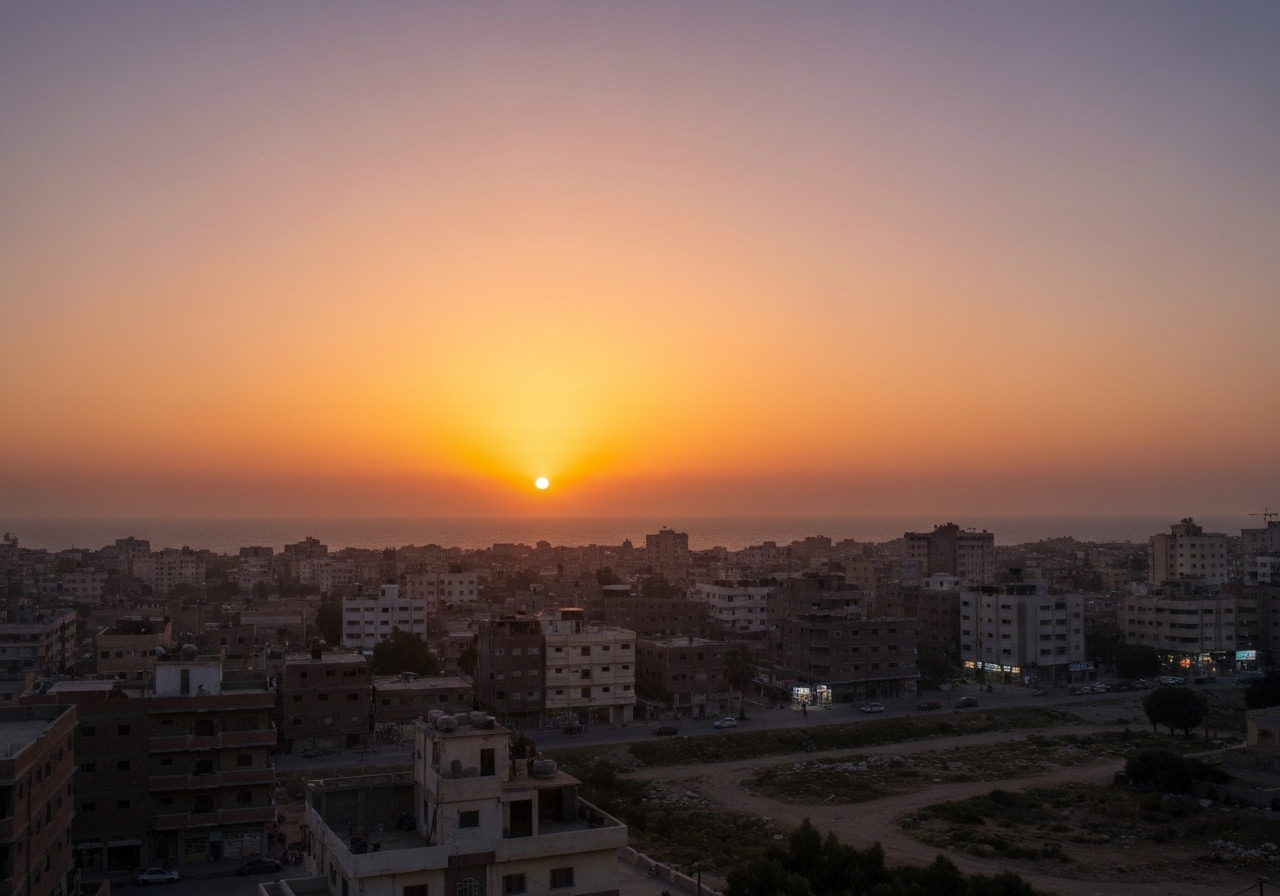
Lead: Fierce rain and bitter cold battered Gaza over the weekend, killing people who were sheltering amid ruins and flimsy tents. On Sunday Gaza’s civil defense reported two deaths, including a seven-year-old child, after a wall collapsed. Local authorities say dozens of buildings have given way since the onset of winter, and aid agencies warn that waterlogged shelters and damaged structures leave displaced families at acute risk. The worsening conditions compound an already severe humanitarian emergency across the enclave.
Key Takeaways
- Two people were killed on Sunday, including a seven-year-old child, when a wall collapsed, according to Gaza’s civil defense.
- The Hamas-run Government Media Office (GMO) reported 20 people killed by collapsing homes and buildings as they sought shelter from severe weather.
- At least 49 buildings have collapsed because of the winter conditions since the season began, the GMO said.
- Displaced families living in tents are facing flooding and high winds; aid workers report shelters have been destroyed by falling trees and surges of water.
- UNRWA warned that insufficient aid deliveries limit its ability to respond at the scale needed for the growing winter emergency.
- Officials in Khan Younis and Rafah described widespread waterlogging of tents and ruined structures, creating immediate shelter and public-health hazards.
Background
The winter weather arrives against the backdrop of more than two years of conflict and large-scale displacement across Gaza, leaving many people living among bombed-out buildings and temporary camps. Repeated damage to homes and infrastructure has left a large share of the population dependent on tents, informal shelters and overstretched humanitarian services. The enclave’s damaged utilities and debris-strewn urban landscape make makeshift accommodation especially vulnerable to high winds and heavy rain. Aid agencies have long warned that seasonal storms would amplify the suffering of families who have no durable housing to return to.
Access constraints and limited supplies have hampered relief efforts, according to international agencies operating in the area. Agencies report gaps in the flow of humanitarian goods and face logistical obstacles moving large volumes of winterized shelter kits and dry supplies into the enclave. Local emergency services, including the Civil Defense in Gaza, continue rescue and damage assessments while noting that many structures are already weakened by prior destruction. The combination of structural fragility and extreme weather has produced repeated localized disasters this winter.
Main Event
On Sunday Gaza’s civil defense said a wall collapse killed two people, one of them a seven-year-old child, as families sheltered from wind and rain. The Government Media Office later said 20 people have died after homes and buildings collapsed while people sought shelter, and that at least 49 buildings have collapsed since winter began. Emergency teams described multiple sites where heavy rain pooled in tents and waterlogged shelters, forcing people into already-ruined buildings for some protection.
In Deir al-Balah a displaced family reported that a falling tree destroyed their tent after strong winds struck the camp, a vivid example of how fragile shelter is in the current conditions. “This is the second tree that has fallen on us because of the wind. Where is the world for us, where are human rights?” said Eyad Abu Jdeyan, who added that his group narrowly escaped more serious harm. In Khan Younis residents reported waking to pools of water inside tents after intense overnight rainfall, increasing the risk of exposure-related illness.
Ahmed Radwan, a Civil Defense spokesperson in the Rafah Governorate, described the situation as a new “catastrophic situation” layered on top of ongoing humanitarian needs. Teams continue to record collapses and call for urgent shelter assistance, while local responders attempt temporary repairs and evacuations where possible. The combination of weakened structures, saturated ground, and high winds has led to repeated, localized structural failures across the enclave.
Analysis & Implications
The immediate human cost is clear: families without safe shelter face disproportionate risk from seasonal storms. Collapsed buildings that were already damaged by earlier hostilities are more likely to fail under wind and water loads, turning places of refuge into lethal hazards. That dynamic increases both civilian fatalities and the complexity of humanitarian response, because responders must balance search-and-rescue, shelter provision and debris clearance under dangerous conditions.
Insufficient and delayed aid supplies amplify the problem. UNRWA and other agencies say they lack the volume of winterized tents, tarpaulins and building materials needed to protect large numbers of displaced people; a failure to scale up deliveries in the coming days would likely produce more avoidable deaths and illness. Public-health risks rise as standing water, overcrowding and exposure heighten the chance of respiratory and waterborne disease among vulnerable children and the elderly.
The episode also has diplomatic and operational implications. International discussions and political visits — including Israeli Prime Minister Benjamin Netanyahu’s planned meeting with U.S. President Donald Trump at Mar-a-Lago this week — may influence the pace and scale of aid access decisions. Any acceleration or impediment in cross-border or internal clearance for humanitarian convoys will materially affect the ability of agencies to respond to the immediate winter emergency.
Comparison & Data
| Metric | Reported Count |
|---|---|
| Deaths from building/home collapses | 20 |
| Buildings collapsed since winter onset | 49 |
| Deaths reported Sunday (including child) | 2 (including a 7-year-old) |
These figures come from statements by Gaza’s Government Media Office and local civil defense authorities as reported by international media. They illustrate the concentrated impact of weather on already-damaged structures: when fragile buildings are exposed to heavy rain and wind, failure rates and casualty counts can rise quickly. The table highlights known counts; field assessments are ongoing and may update totals as rescue and registration continue.
Reactions & Quotes
Local residents and humanitarian officials described the humanitarian strain, calling for faster and larger-scale assistance to prevent further loss of life. Eyewitness testimony and agency statements emphasize both the immediate human tragedy and the structural drivers behind it.
This is the second tree that has fallen on us because of the wind. Where is the world for us, where are human rights? We are sitting here in death. God protected us; otherwise, everyone here would have been martyred.
Eyad Abu Jdeyan, displaced resident in Deir al-Balah (to CNN)
The UN relief agency head framed the event as part of longer-term suffering, urging increased access for aid deliveries so agencies can scale up winter response.
More rain. More human misery, despair & death. Harsh winter weather is compounding more than two years of suffering. People in Gaza are surviving in flimsy, waterlogged tents & among ruins.
Philippe Lazzarini, UNRWA Commissioner‑General (statement)
Unconfirmed
- Whether the reported counts (20 deaths, 49 collapsed buildings) will rise significantly as rescue and registration continue; numbers remain subject to update by local authorities.
- The exact proportion of collapses caused solely by weather versus pre-existing conflict damage is not fully verified for each site.
- Whether planned diplomatic activity this week will immediately change the volume or speed of humanitarian access into the enclave.
Bottom Line
Severe winter weather has had a deadly, immediate impact on families sheltering in Gaza’s ruined and makeshift housing, producing casualties and additional displacement. The combination of wind, heavy rain and structurally compromised buildings transforms seasonal storms into acute humanitarian disasters for already vulnerable populations.
Rapid scaling of winterized shelter aid, unobstructed access for larger convoys, and targeted repairs to the most at‑risk structures are essential to prevent more deaths. Monitoring by independent agencies and transparent reporting of updated casualty and damage figures will be needed to guide both the operational response and international policy discussions in the days ahead.
Sources
- CNN — International news outlet reporting on civil defense and local statements (media).
- UNRWA — United Nations agency for Palestine refugees; public statements and agency briefings (official humanitarian organization).
- Gaza Government Media Office (reported) — Statement on building collapses and fatalities (reported via media).