
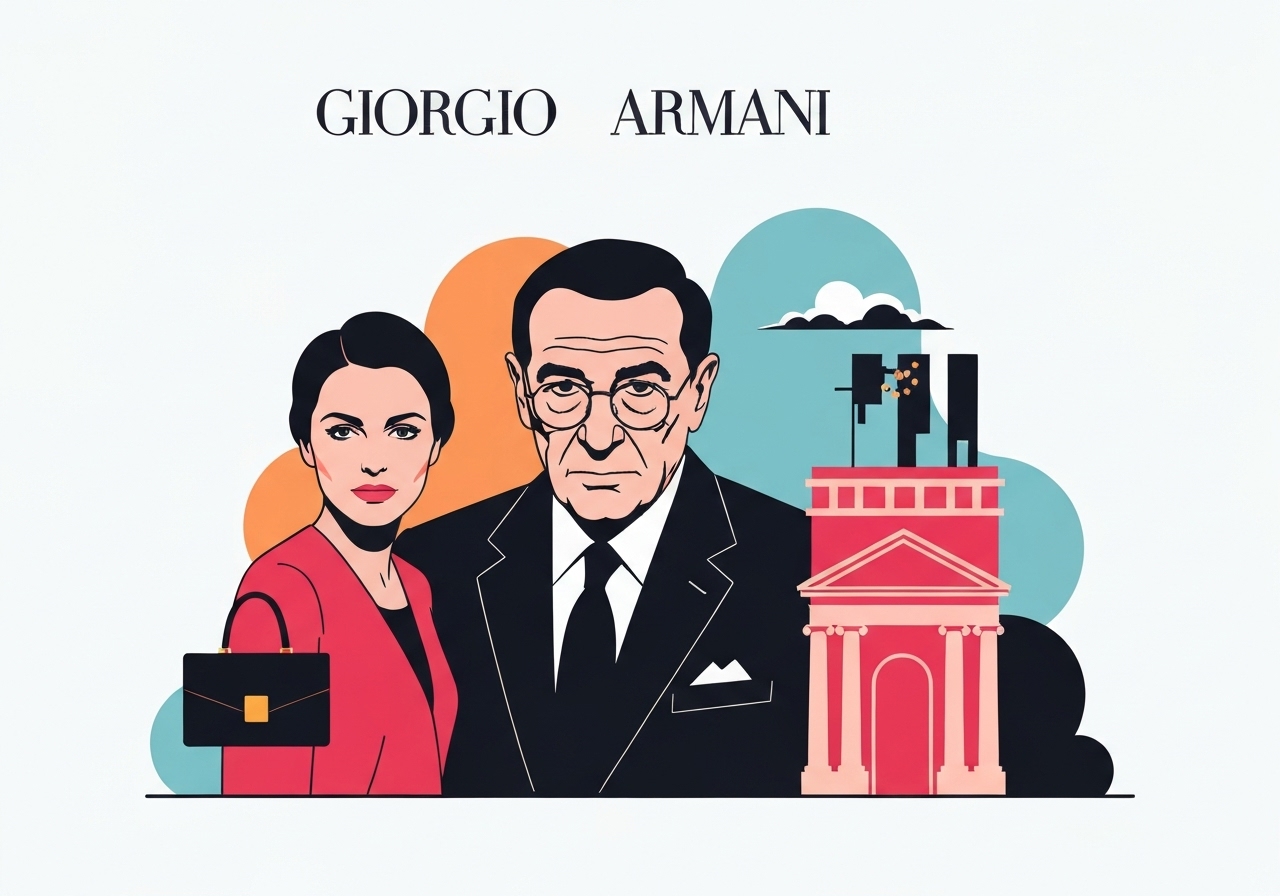
Giorgio Armani, the Italian designer who helped define modern luxury and put Italy at the center of global fashion, has died at 91, the Armani Group said on Sept. 4, 2025; the company pledged to protect his legacy while plans for a private funeral in Milan proceed.
Key Takeaways
- Giorgio Armani, founder and sole owner of the Armani Group, died at age 91 on Sept. 4, 2025.
- The privately held company reported roughly €2.3 billion in annual turnover under his leadership.
- Armani had been unwell and missed Milan’s Men’s Fashion Week in June for the first time in decades.
- The fashion house announced staff and family will continue the business; a funeral chamber will open in Milan Saturday and Sunday, with a private funeral on Monday.
- Known as “Re Giorgio,” he co-founded the label in 1975 with Sergio Galeotti and remained closely involved in design and operations.
- Colleagues and clients praised his down-to-earth manner and attention to detail; public tributes included messages from longtime celebrity clients.
Verified Facts
Armani founded the company in 1975 and remained its sole owner for fifty years, overseeing creative direction and business strategy. The group has reported annual revenues of about €2.3 billion, reflecting a global luxury business spanning ready-to-wear, accessories, and licensing.
The company released a statement on Sept. 4, 2025 announcing his death and committing employees and family to “protecting what he built” and to carry the company forward with respect and responsibility. Armani had been absent from the group’s runway shows at Milan’s Men’s Fashion Week in June due to illness — the first time he missed one of his own shows.
A public viewing chamber will be open in Milan on Saturday and Sunday to allow well-wishers to pay respects; a private funeral is scheduled for Monday. Longtime colleagues and family members are expected to assume day-to-day leadership roles, according to company communications and reporting.
Context & Impact
Armani’s minimalist, tailored aesthetic transformed menswear and found eager audiences in the United States from the late 1970s onward, particularly among working professional women who embraced his softened, powerful silhouettes. His approach helped shape Italy’s reputation as a fashion capital and supported a broad luxury ecosystem across manufacturing, retail and services.
The loss raises short-term questions about succession and strategy at a privately held brand tightly associated with a single founder. Observers expect the brand to emphasize continuity while evaluating long-term leadership and creative direction.
Beyond corporate implications, Armani’s death is likely to prompt an industry-wide reflection during upcoming fashion events, where houses often reference heritage while courting new consumers and younger designers.
Potential Near-Term Effects
- Short-term rally in brand visibility and sales due to media attention and tributes.
- Possible acceleration of legacy preservation projects, such as planned exhibitions tied to the company’s 50th anniversary.
- Heightened focus on succession planning among privately held luxury maisons.
“With infinite sorrow, the Armani Group announces the passing of its creator, founder and tireless driving force.”
Armani Group statement
“A true friend. A legend.”
Julia Roberts (social post)
Unconfirmed
- Specific long-term leadership structure and formal appointments within the Armani Group have not been fully announced.
- Details on any immediate strategic or operational changes to the company’s business model remain unconfirmed.
Bottom Line
Giorgio Armani’s death marks the end of an era for one of fashion’s most influential figures. The privately held house he built is positioned to emphasize continuity, but stakeholders and observers will watch leadership moves closely as the company balances heritage with future growth.