
Lead
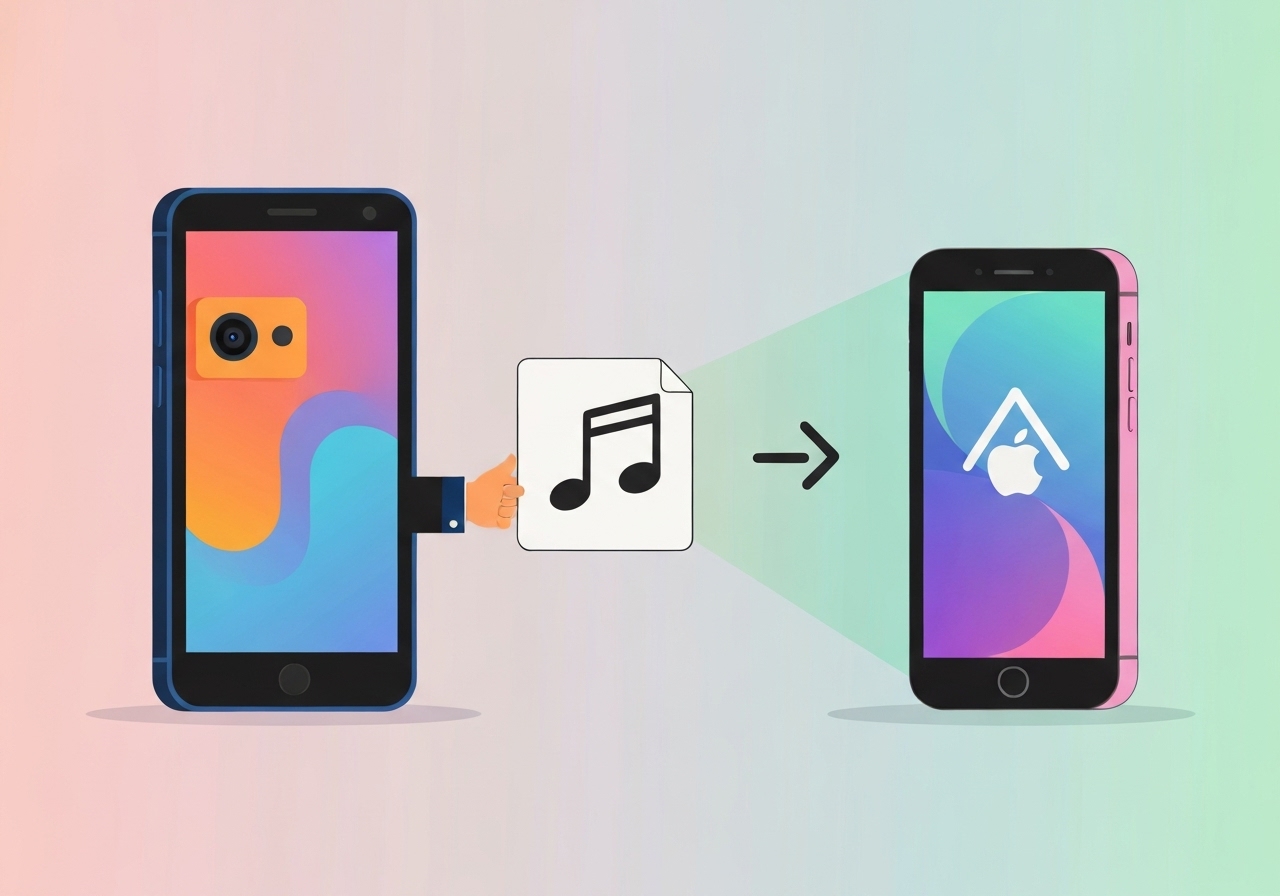
On November 20, 2025, Alphabet Inc.’s Google disclosed that its latest Pixel smartphones can now exchange photos and other files with iPhones by using Apple’s AirDrop protocol, a move reported and timed at 7:40 PM UTC and updated at 10:43 PM UTC. The capability bridges a long-standing interoperability gap between the two ecosystems and replicates functionality normally limited to Apple devices. Google positions the change as expanding user convenience, while the development raises questions about technical methods and competitive boundaries. Apple’s AirDrop remains a core, preinstalled transfer tool across iPhones, iPads and Macs; Google already offers an Android equivalent called Quick Share.
Key Takeaways
- Announcement timing: Google’s disclosure was reported on November 20, 2025, originally at 7:40 PM UTC with an update at 10:43 PM UTC.
- Technical scope: New Pixel models can now transfer images and files to iPhones via Apple’s AirDrop protocol, according to reporting.
- Ecosystem context: AirDrop has been built into Apple platforms for more than a decade and links iPhone, iPad and Mac devices for wireless file exchange.
- Android counterpart: Google’s Android previously provided Quick Share as a native file‑sharing feature, but it did not interoperate with AirDrop until this reported change.
- User impact: The change promises cross‑platform convenience for Pixel and iPhone owners without additional apps or cables.
- Unclear technical detail: Reporting does not fully disclose whether Google implemented a reverse‑engineered bridge or obtained a licensed interoperability mechanism.
- Potential legal and security questions: The alteration could prompt scrutiny over intellectual property, platform policy and the security model used for peer‑to‑peer transfers.
Background
AirDrop is an Apple‑integrated feature that enables fast, wireless file transfers between iPhones, iPads and Macs. It is tightly coupled with Apple’s operating systems and device identity features, and has been a central convenience tool for iOS and macOS users. Android offers a similar built‑in function, Quick Share, intended to provide comparable peer‑to‑peer transfers among Android devices, but historically it has not communicated with Apple’s AirDrop. The lack of interoperability has been a frequent point of friction for users who move between platforms or who use multiple device types in mixed environments.
Platform providers historically control low‑level protocols and APIs that handle discovery, pairing and encrypted transfer, which creates both technical and commercial barriers to cross‑platform interoperability. Companies have sometimes addressed those barriers through industry standards or collaborative agreements; at other times solutions have come from third‑party apps that sit above native OS layers. Google’s reported change represents a direct attempt to bridge those native layers, which has broader implications for how closed or open a mobile ecosystem remains.
Main Event
According to reporting on November 20, 2025, Google developed a capability that allows its newest Pixel smartphones to exchange images and other file types with iPhones using Apple’s AirDrop protocol. The announcement was published and timestamped 7:40 PM UTC and subsequently updated at 10:43 PM UTC. Google framed the feature as improving user convenience, citing the ubiquity of mixed‑device households and workplaces as a motivating factor. The change means users can share content directly across Pixel and iPhone hardware without installing third‑party software, as long as the devices are within typical peer‑to‑peer wireless range.
Observers note that AirDrop’s discovery and transfer steps rely on device identity, proximity detection and encrypted channels; enabling Pixel devices to participate in that workflow required addressing those elements. Reports do not specify the exact implementation technique Google used—whether it adopted publicly documented behaviors, implemented protocol compatibility at the OS layer, or employed an alternative bridging approach. Without a detailed technical disclosure from Google or Apple, details of authentication, key exchange and encryption handling remain opaque to independent reviewers.
The immediate user experience reported involves Pixel owners seeing nearby iPhones as share targets and initiating transfers similar to how AirDrop works between Apple devices. Early accounts emphasize straightforward usability: files traverse wirelessly and appear on the recipient device after standard acceptance steps. That said, the translation of a native Apple workflow onto a Pixel device represents a notable departure from standard vendor boundaries in mobile software ecosystems.
Analysis & Implications
Strategically, Google’s move lowers a friction point for consumers deciding between Android and iOS devices and may reduce the switching cost for mixed‑device households. Easier cross‑platform sharing can drive user satisfaction and lessen the network effect advantages that accrue to a tightly integrated ecosystem. For Google, the capability signals an effort to make Android more cooperative with iOS in day‑to‑day tasks.
From a competition and policy perspective, the change could invite scrutiny. Platform maintainers often cite security and privacy as rationales for limiting third‑party access to core protocols; regulators and rivals may examine whether interoperability was achieved through legitimate means and whether it materially alters competitive dynamics. Antitrust authorities in several jurisdictions have shown interest in platform gatekeeping, and a high‑profile alteration to Apple’s ecosystem behavior could trigger inquiries or complaint filings.
Security and privacy implications hinge on implementation specifics. AirDrop uses discovery plus encrypted transfer and user consent gates; any compatible implementation must preserve those protections to avoid exposing users to spoofing or unauthorized file receipt. If Google’s method retained Apple’s consent model and equivalent cryptographic protections, privacy risk would be limited. Conversely, deviations in authentication or key handling could create attack surfaces that require rapid mitigation.
Comparison & Data
| Feature | AirDrop (Apple) | Quick Share (Android) | Google’s Pixel → iPhone Method |
|---|---|---|---|
| Primary devices | iPhone, iPad, Mac | Android phones, Chromebooks (select) | Pixel phones to iPhone |
| Built‑in since | Over a decade (Apple platform) | Introduced on modern Android builds | Announced Nov 20, 2025 |
| Typical workflow | Device discovery → user approval → encrypted transfer | Nearby device discovery → user approval → encrypted transfer | Appear as AirDrop target → user approval → encrypted transfer (reported) |
| Cross‑platform | No (native) until now | No (native) until now | Yes (Pixel to iPhone only, per report) |
The table summarizes reported differences and the immediate novelty: Pixel phones are now reported to be visible to iPhones as AirDrop targets. Contextual data—such as transfer speeds, failure rates or adoption percentages—are not available in the initial reporting and will require follow‑up technical tests.
Reactions & Quotes
Google and outside observers offered succinct statements in the hours after the report. Below are representative excerpts and their contexts.
“AirDrop enables fast, wireless file transfers between Apple devices,”
Apple (support description)
Context: Apple’s support documentation frames AirDrop as a native convenience tool; the company has not, as of the initial reporting, issued a public statement directly addressing Google’s reported change.
“We developed a way for Pixel devices to exchange images and other files with iPhones using the AirDrop protocol,”
Reported Google disclosure (media report)
Context: That phrasing summarizes Google’s reported announcement as covered in the November 20, 2025 media report; Google framed the capability as improving cross‑device sharing for users.
“Security and platform policy implications will require careful review,”
Independent security researcher (paraphrased reaction)
Context: Security experts responding to the report emphasized that implementation details—particularly around authentication and encryption—determine whether the change preserves user safety.
Unconfirmed
- Whether Google implemented AirDrop compatibility through a licensed agreement with Apple or via independent reverse engineering remains unconfirmed.
- The precise cryptographic and authentication methods Google uses to interoperate with AirDrop have not been publicly detailed and are unverified.
- Apple’s official response or planned policy actions in reaction to Google’s reported capability had not been published at the time of the initial report.
Bottom Line
Google’s reported ability to let Pixel phones share files directly with iPhones using AirDrop represents a notable step toward practical cross‑platform convenience. For users who operate both device types, the change removes a persistent friction point and makes everyday file exchanges simpler without third‑party intermediaries.
However, the long‑term significance depends on technical transparency, security validation and any legal or policy responses from Apple or regulators. Observers should look for detailed technical disclosures, independent security audits and formal statements from both companies to fully assess risks, remedies and competitive effects in the weeks ahead.
Sources
- Bloomberg — media report covering Google’s announcement (news outlet)
- Apple Support: AirDrop — official documentation on AirDrop behavior (official/support)