
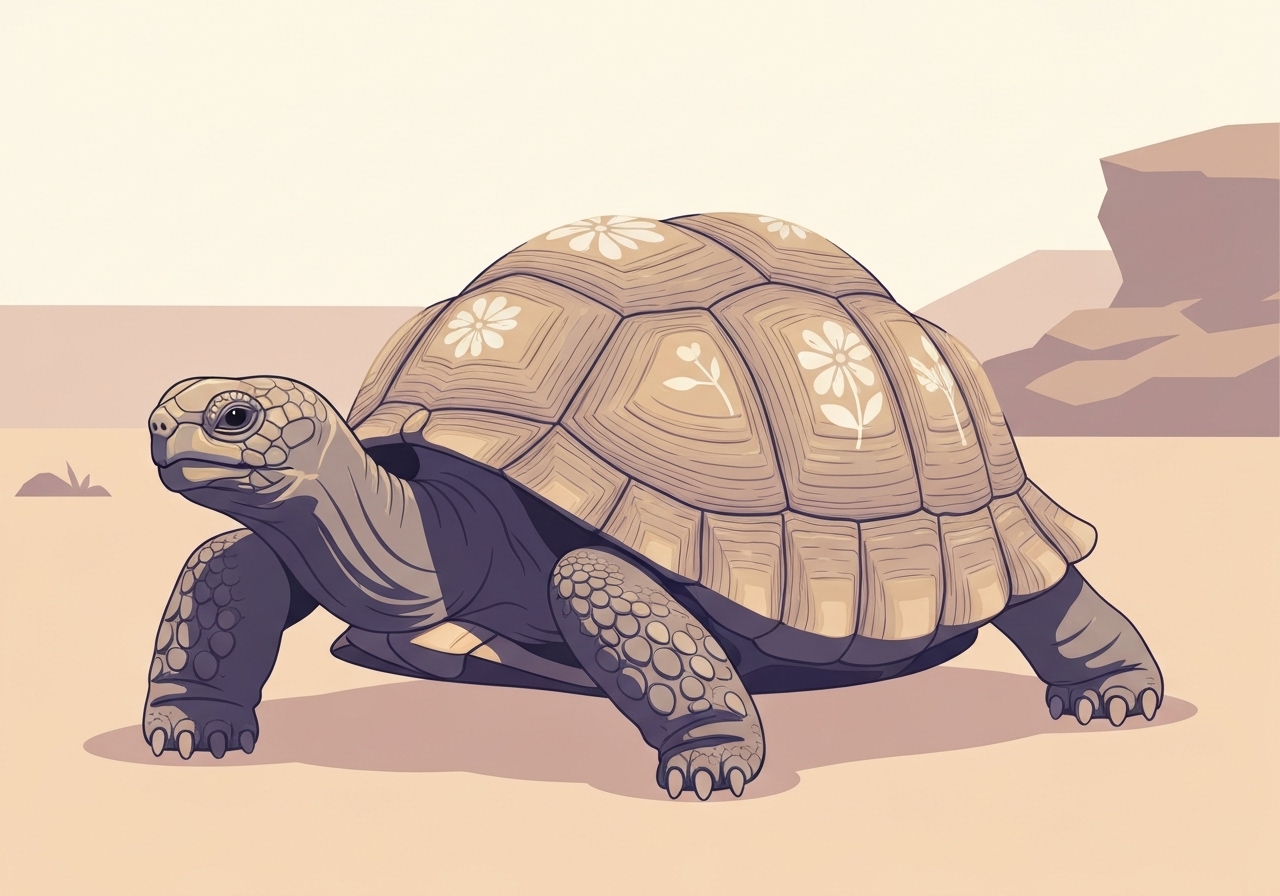
Gramma, an estimated 141-year-old Galápagos tortoise and the San Diego Zoo’s longest‑lived resident, was euthanized on Nov. 20 after age-related bone conditions worsened. Born in the Galápagos and transferred to U.S. zoos in the early 20th century, she spent decades delighting visitors with a gentle, shy demeanor and a diet that favored romaine lettuce and cactus fruit. Zoo staff said she arrived from the Bronx Zoo in either 1928 or 1931 as part of the institution’s first group of Galápagos tortoises and came to be affectionately known as “the Queen of the Zoo.” Her death marks the end of a life that spanned two world wars and the administrations of 20 U.S. presidents, and it renews attention to long‑term care and conservation of Galápagos tortoises.
Key Takeaways
- Age and death: Gramma was estimated at about 141 years old and was euthanized on Nov. 20 due to progressive bone conditions related to advanced age.
- Origins and transfer: She hatched in the Galápagos and was moved to the Bronx Zoo before coming to San Diego in either 1928 or 1931 as part of an early collection of Galápagos tortoises.
- Public impact: Generations of visitors encountered Gramma; many noted returning to see her decades after first visiting the zoo.
- Diet and care: Care teams cited her preferences for romaine lettuce and cactus fruit and provided long‑term veterinary management until recent deterioration.
- Conservation context: Galápagos tortoises have long lifespans; some subspecies are extinct and the remainder are classified as vulnerable or critically endangered by the IUCN.
- Captive breeding outcomes: More than 10,000 juvenile Galápagos tortoises have been released to the wild since 1965 under coordinated conservation programs.
- Notable comparisons: The longest‑lived recorded Galápagos tortoise, Harriet, lived to about 175 and died in 2006; other institutions continue breeding efforts into advanced parental ages.
Background
Galápagos tortoises are emblematic of both the islands’ unique biodiversity and the challenges of long‑term species conservation. There are 15 recognized subspecies across the Galápagos archipelago; three subspecies have been declared extinct, while the rest are assessed as vulnerable or critically endangered by the International Union for Conservation of Nature. Human‑led conservation actions, including captive breeding and repatriation, have been active since the mid‑20th century and have returned thousands of juveniles to island habitats. Zoos have historically played dual roles: acting as public educators and as partners in breeding programs that can bolster wild populations when carefully managed.
Individuals like Gramma illustrate how captivity can extend life well beyond typical wild lifespans; Galápagos tortoises often survive a century in nature and can nearly double that in human care with veterinary support and consistent nutrition. The early 20th century saw several transfers of large tortoises between major institutions, reflecting the era’s scientific curiosity and the nascent zoo practices of the time. Those movements—now subject to stricter ethical and conservation review—helped create long‑term living collections that allow modern researchers to study longevity, disease, and reproductive biology across decades.
Main Event
San Diego Zoo officials announced that Gramma died Nov. 20 after suffering progressive bone ailments typical of advanced age in reptiles. Staff reported that her condition declined recently and the decision to euthanize followed veterinary assessment and quality‑of‑life considerations. Records indicate she arrived in San Diego from the Bronx Zoo either in 1928 or 1931 as part of a first cohort of Galápagos tortoises, though the exact arrival year remains unclear. Over many decades she developed a recognizable presence on the zoo grounds, drawing visitors who remembered her from childhood and who later returned with new generations of family members.
Care teams described a long history of individualized husbandry: diet, enclosure design, and medical monitoring adjusted as Gramma aged. Her favorite foods were reported as romaine lettuce and cactus fruit, small details that became part of visitors’ memories and staff lore. In recent years her mobility and bone health deteriorated, prompting more intensive veterinary involvement before euthanasia was chosen to prevent prolonged suffering. Staff and long‑time patrons noted the emotional resonance of losing an animal that symbolized continuity across a changing city and institution.
The zoo’s announcement framed Gramma’s life within both public memory and conservation practice, noting her role as an ambassador for Galápagos tortoises and for broader education about threatened island species. Public responses ranged from personal reminiscence to expressions of concern for ongoing care of elderly collection animals. The death also prompted reminders of ongoing breeding successes elsewhere, with institutions reporting births and paternal milestones among other elderly tortoises this year.
Analysis & Implications
Gramma’s death highlights the complexity of long‑term animal care in modern zoos, where veterinary medicine, ethical decisions, and public expectations intersect. Managing geriatric animals requires sustained resources—staff time, specialized diets, and medical treatments—that institutions must budget for across decades. When an animal becomes a multi‑generational public fixture, its welfare decisions also carry reputational weight and invite scrutiny from visitors and conservation partners. The choice to euthanize, while medically driven, often sparks public debate about the balance between natural lifespan and humane intervention.
From a conservation perspective, Gramma’s life underscores the educational value of living ambassadors for endangered taxa. Seeing an individual that likely hatched in the 19th century or early 20th century brings attention to extinction risks, island ecology, and the success of captive breeding programs. Yet individual longevity in zoos does not replace in‑situ conservation: habitat protection and invasive species control remain essential for species recovery. The long timescales involved—centuries for some tortoise life histories—mean conservation wins and losses can span many human generations.
Institutions also face logistical and ethical questions about transfers and historic acquisitions. Practices acceptable in earlier eras are now re‑evaluated through conservation law and international agreements. Modern collaborations tend to emphasize genetic management and repatriation when safe and feasible. Gramma’s provenance—transfer from the Bronx Zoo in 1928 or 1931—illustrates a transitional period of zoo history in which animals moved widely among collections, creating living lineages that now inform contemporary science and husbandry.
Comparison & Data
| Name | Estimated Age at Death or Event | Note |
|---|---|---|
| Gramma | about 141 | San Diego Zoo; euthanized Nov. 20 |
| Harriet | about 175 | Australia Zoo; hatched ~1830, died 2006 |
| Goliath (Zoo Miami) | 135 (fatherhood) | Became a first‑time father in June 2025 |
| Philadelphia Zoo parents | ~100 (parents) | Four hatchlings born in April 2025 to first‑time parents |
The table contextualizes Gramma among other notable individuals to show the exceptional longevity these tortoises can exhibit under human care. Harriet’s documented lifespan remains the longest recorded, while recent reproductive events at advanced parental ages indicate continuing fecundity in some long‑lived individuals. These comparisons are descriptive: ages are estimates based on historical records and institutional reporting, and individual outcomes vary with genetics, husbandry, and health history.
Reactions & Quotes
Longtime visitors and staff framed Gramma’s passing as both a personal loss and a moment to reflect on conservation work. Many social posts recounted multi‑decade visits and family traditions centered on seeing the tortoise.
“She was the Queen of the Zoo,”
San Diego Zoo (official comment)
The zoo used the phrase to convey affection and to acknowledge the animal’s role as a longstanding public figure; staff emphasized that veterinary teams made the euthanasia decision in the animal’s best interest after health declined.
“Just how amazing it is that they managed to live through so much,”
Cristina Park, longtime visitor
Visitors like Park illustrated how living animals create cross‑generational connections to conservation ideas and to the institutions that care for them.
Unconfirmed
- The precise year Gramma arrived in San Diego is unresolved in public records; zoo statements list either 1928 or 1931.
- Gramma’s exact hatch year is an estimate derived from historical acquisition records and is not documented to a specific day.
Bottom Line
Gramma’s life and death highlight both the emotional role individual animals play in public conservation education and the practical responsibilities of institutions caring for long‑lived species. Her estimated 141 years offered visitors a tangible link across generations and spotlighted the successes and limits of zoo medicine and husbandry. While captive longevity can aid species survival messaging and research, it complements rather than replaces habitat protection and island restoration efforts that determine wild populations’ futures.
Looking ahead, zoos and conservation partners will continue to manage aging collections while advancing breeding and repatriation programs that have already returned thousands of juveniles to the Galápagos. Gramma’s passing is a reminder that long‑term planning, transparent provenance records, and public engagement are integral to honoring individual animals and to achieving broader conservation goals.