
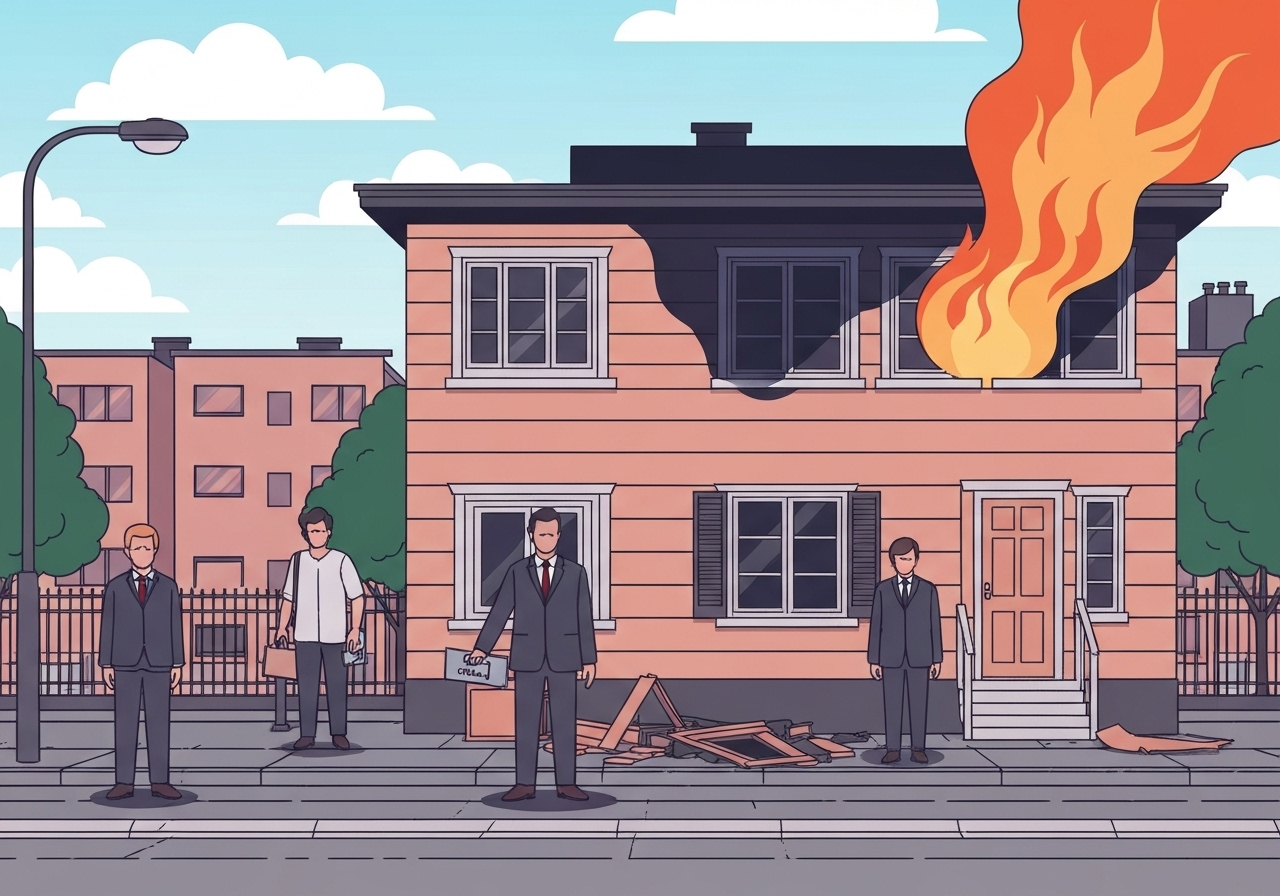
Hong Kong authorities said on Friday that the city’s Independent Commission Against Corruption (ICAC) arrested eight people linked to renovation work at a high-rise apartment complex where a devastating fire killed 128 people. The arrests follow a large-scale, apartment-by-apartment search that uncovered dozens more bodies and pushed the confirmed death toll up by 34; officials warned the total could still rise as about 200 people remain unaccounted for. The blaze began midafternoon Wednesday in one tower of the Wang Fuk Court complex in Tai Po and spread rapidly as bamboo scaffolding and external materials burned, overwhelming residents and first responders before being declared fully extinguished Friday morning. Investigators are probing both the fire’s origin and possible corruption or safety lapses in the renovation work.
Key Takeaways
- Death toll: 128 confirmed dead after additional bodies were found during an intensive search of the Wang Fuk Court complex in Tai Po.
- Missing and unidentified: About 200 people remain unaccounted for; 89 recovered bodies have not yet been identified.
- Arrests: ICAC detained eight people aged 40–63 linked to the renovation—scaffolding subcontractors, engineering directors and project managers—and searched their offices.
- Fire spread factors: Bamboo scaffolding covered in netting and reportedly non-fire-resistant external materials, including plastic foam panels, are suspected to have accelerated spread.
- Response scale: Some 2,300 firefighters and medical personnel were mobilized; 79 people were injured, including 12 firefighters, and one firefighter was killed.
- Renovation probe: Police earlier arrested three men on suspicion of manslaughter; authorities seized company documents and plan to inspect other estates undergoing renovations.
- Operational timeline: The blaze took roughly 24 hours to bring under control and was declared fully out on Friday morning after intermittent flare-ups.
Background
The fire struck Wang Fuk Court, a Tai Po high-rise complex built in the 1980s that contains nearly 2,000 apartments housing about 4,800 residents. Many tenants were elderly, and the buildings had been undergoing a major renovation at the time. Bamboo scaffolding wrapped in plastic netting is a common sight in Hong Kong renovations; when combined with combustible exterior panels, it can create conditions for swift vertical fire spread.
Hong Kong’s Independent Commission Against Corruption (ICAC) said it opened an investigation on Thursday into possible corruption related to the renovation project and, on Friday, arrested eight people and searched offices, seizing documents and bank records. Separately, police moved earlier to detain three men on suspicion of manslaughter and to seize materials from the construction firm believed to have been responsible for the renovation work.
Main Event
The blaze began midafternoon on Wednesday in one of the estate’s eight towers and jumped quickly to neighboring towers as flames ignited bamboo scaffolding and external panels. Firefighters confronted rapidly spreading flames and persistent smoke, focusing early searches on apartments from which they had received multiple calls for help but could not reach. The toll rose as crews methodically checked each unit; officials increased the confirmed deaths by 34 after finding additional bodies in the charred buildings.
Fire Services Deputy Director Derek Armstrong Chan said crews prioritized apartments with unanswered emergency calls; director Andy Yeung reported some fire alarms were non-functional during the blaze, raising questions about alarm maintenance and legal accountability. Officials said the fire took about 24 hours to control; sporadic flare-ups and lingering smoke continued until the scene was declared fully out on Friday morning.
Authorities reported discovering plastic foam panels attached to window areas near elevator lobbies in at least one tower; those panels are highly flammable and may have contributed to the rapid spread. Police also reported they suspected some exterior materials did not meet fire-resistance standards and have seized boxes of documents from the construction company believed to have overseen the renovations.
Analysis & Implications
The scale and speed of this disaster highlight a confluence of factors—aging housing stock, large-scale renovation activity, widely used bamboo scaffolding and possibly non-compliant cladding—that can turn routine work into catastrophic risk. If investigators confirm that exterior materials failed to meet standards or that safety checks were bypassed, the case will raise urgent questions about regulatory enforcement and procurement oversight for renovation projects across Hong Kong.
The ICAC arrests introduce an explicitly anti-corruption dimension: investigators will examine whether bribery, falsified documentation or collusion enabled unsafe materials or substandard practices. A finding of corruption tied to building materials or contracts could trigger criminal prosecutions and systemic reforms, including faster mandatory inspections and tougher penalties for contractors and estate managers.
Short-term consequences will include immediate safety inspections of other estates under renovation and potential legal actions against companies and individuals implicated. Longer-term, policymakers may face pressure to revisit building codes, enhance third-party certification of cladding and scaffolding materials, and strengthen whistleblower protections for construction-sector workers who flag unsafe practices.
Comparison & Data
| Metric | Reported Number |
|---|---|
| Confirmed dead | 128 |
| Unidentified bodies | 89 |
| People unaccounted for | ~200 |
| Injured (total) | 79 (12 firefighters) |
| Responders deployed | ~2,300 firefighters & medical personnel |
| Towers in complex | 8 (7 engulfed) |
These figures show the incident is the deadliest Hong Kong fire in decades: previous large incidents include a 1996 Kowloon commercial building fire that killed 41 people and a 1948 warehouse fire with 176 deaths. The magnitude of the current toll underlines the elevated human cost when rapid vertical flame spread meets densely occupied residential towers undergoing external works.
Reactions & Quotes
Officials at the scene stressed that the search and investigation are ongoing and that findings could take weeks. Security Secretary Chris Tang warned that numbers could rise as searches continue and evidence is collected.
“The search for victims is continuing and the numbers could still rise.”
Chris Tang, Secretary for Security (official statement)
Fire services leaders described operational challenges and potential legal consequences linked to faulty alarms and combustible materials. Director Andy Yeung highlighted the discovery of non-functioning alarms and the implications for liability and enforcement.
“Some fire alarms in the complex were not functioning and there could be legal consequences.”
Andy Yeung, Director, Hong Kong Fire Services (official briefing)
Community members and experts have called for swift, transparent investigations and immediate inspections of other renovation sites. A resident advocate urged clarity on contractor accountability and protections for vulnerable tenants in older estates.
“We need clear answers and swift action to prevent another tragedy; many residents are elderly and had limited means to escape quickly.”
Resident advocate (community comment)
Unconfirmed
- Exact ignition source: Investigators have not publicly confirmed the precise origin or immediate cause of the fire at the unit where it began.
- Material compliance: Authorities have said some exterior materials are suspected of being non-compliant, but formal laboratory test results or certification records have not yet been released.
- Intent or deliberate wrongdoing: While arrests by ICAC indicate an anti-corruption probe, any links between deliberate misconduct and the blaze remain under investigation and unproven.
Bottom Line
This tragedy exposed vulnerabilities at the intersection of aging residential infrastructure, large-scale renovation activity and enforcement gaps. With 128 confirmed dead and many more missing or unidentified, the immediate priority for authorities is completing searches, identifying victims and securing evidence for criminal and regulatory investigations.
In the weeks ahead, expect sustained scrutiny of renovation contracts, materials certification and enforcement mechanisms; potential criminal charges if negligence or corruption is proven; and policy pressure to mandate tougher oversight and rapid inspections of other estates undergoing external works. For residents and policymakers alike, the lesson is stark: evacuation safety and material compliance must be enforced proactively, not only after disaster strikes.