
Lead
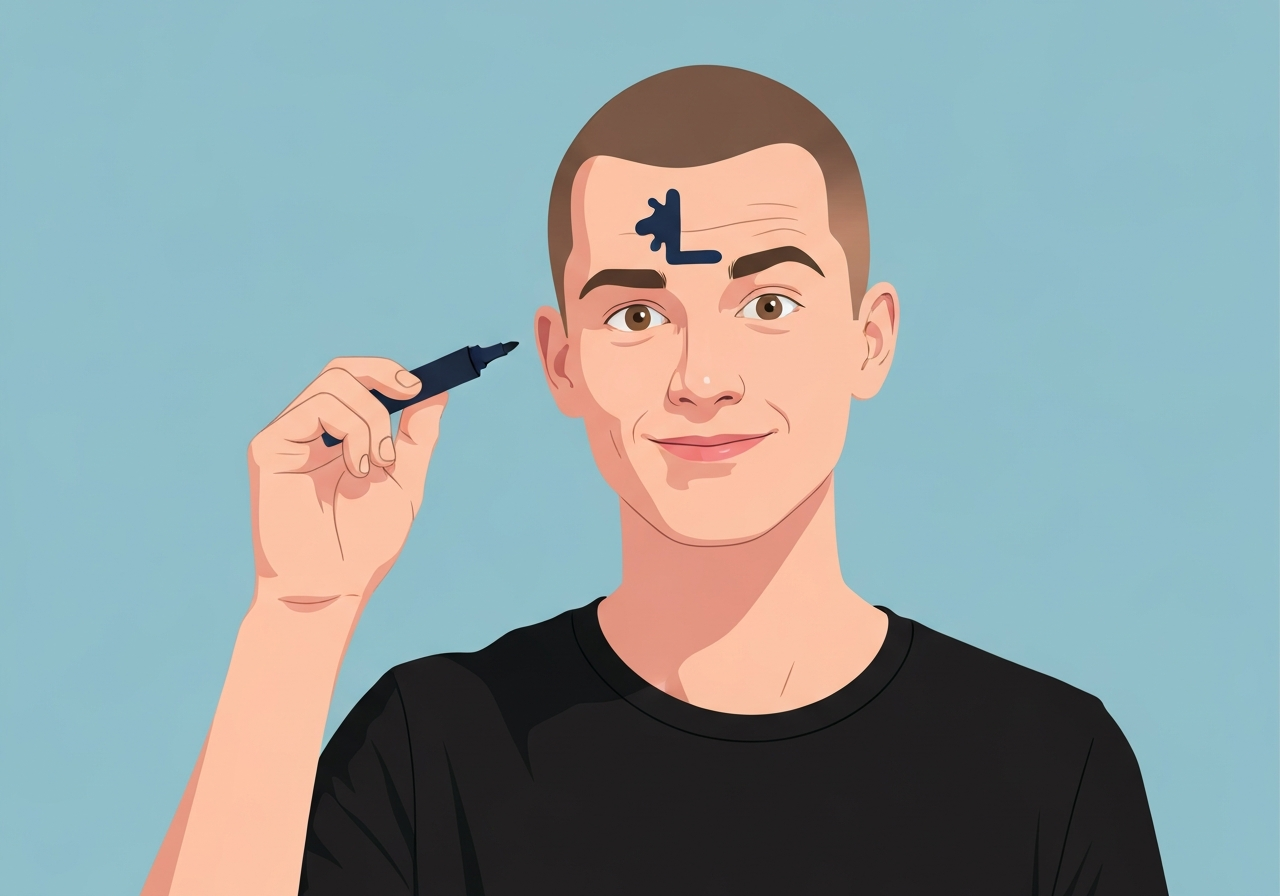
American freeskier Hunter Hess sparked online attention at the 2026 Winter Olympics after making an “L” gesture to his forehead following halfpipe qualifying on Feb. 21, 2026. Hess finished fifth in qualifying and later placed 10th in the halfpipe final. The hand sign — which observers noted appeared reversed — drew mockery even as Hess said it was a deliberate response to criticism that followed an earlier exchange with former President Donald Trump. The moment, amplified across social platforms, mixed sport results with a politically charged media backlash.
Key Takeaways
- Hess placed fifth in Olympic halfpipe qualifying and subsequently finished 10th in the final at the 2026 Winter Games.
- The skier formed an “L” with his left thumb and forefinger and placed it on his forehead; many viewers said the letter looked backward.
- Hess has publicly responded to criticism stemming from a recent exchange with Donald Trump, who labeled him a “real loser,” according to media reports.
- Hess described the two weeks before his event as the “hardest” of his life and credited family support for helping him compete.
- He is a two-time X Games medalist and this was his first Olympic appearance for Team USA.
- Social-media commentary ranged from supportive messages to mocking posts about the reversed gesture.
Background
Hunter Hess entered the 2026 Winter Olympics as a first-time Olympian with a strong freestyle résumé including two X Games medals. His selection to Team USA raised expectations from the U.S. freeski community, and his qualifying run placed him among the leading contenders heading into the final. Earlier in February 2026 he engaged in a public exchange with former President Donald Trump; that disagreement prompted a wave of online attention and critical messages.
The intersection of political statements and elite sport is not new: athletes increasingly face scrutiny when they comment on public affairs, and social platforms accelerate both support and criticism. For Hess, the controversy arrived days before his Olympic halfpipe competition, creating an unusual pre-competition media environment. Team USA and event organizers have not issued any formal sanctions tied to the exchange, and Hess remained on the roster to compete.
Main Event
After completing his qualifying run on Feb. 21, 2026, Hess lifted an “L” to his forehead with his left hand. Spectators and online viewers quickly noted that the hand shape appeared reversed compared with conventional usage of the gesture. The clip circulated widely on social media, generating commentary that ranged from sympathetic to sarcastic.
Hess told reporters he intended the sign as a direct response to the hostility he had received following the dispute with Donald Trump, saying, in effect, that he would “lean into” the label he had been given. He then competed in the halfpipe final, where he crashed and ultimately placed 10th overall. Hess described the days leading up to the final as distracting but said family support and skiing itself helped him persevere.
The immediate online reaction included users ridiculing the reversed orientation of the letter and others defending Hess as an athlete under unusual public pressure. On-site photographers captured both the gesture and his runs; media outlets subsequently paired the images with coverage of the prior verbal exchange that drew attention to the moment.
Analysis & Implications
The episode highlights how quickly a brief, physical gesture can become a focal point in the age of viral media, particularly when it intersects with political controversy. For athletes like Hess, a single hand signal risks overshadowing athletic performance, shifting headlines from scores and technique to social commentary and online memes. That shift can affect public perception and create additional mental-load for competitors during high-stakes events.
From a sponsorship and career perspective, public controversies can cut both ways: some brands distance themselves from politicized moments, while others prize athletes who drive engagement. For Hess, the immediate effect appears to be media amplification rather than contract fallout; long-term reputational impact will depend on how sponsors, fans, and governing bodies respond as the Olympic cycle continues.
Sporting bodies face a dilemma when athletes’ off-field remarks draw attention during competitions. Strict enforcement risks accusations of suppressing free expression, while inaction may be seen as tacit acceptance of polarizing statements. The Hess episode underscores the need for clearer communication from federations about conduct and the limits of public commentary during major events.
Comparison & Data
| Metric | Result |
|---|---|
| Qualifying placement (halfpipe) | 5th |
| Final placement (halfpipe) | 10th |
| X Games medals | 2 medals |
The numbers show a drop from qualifying to final, which can reflect factors such as run difficulty, execution on the day, and external distractions. Hess’s X Games podium history underscores his technical capability even if Olympic result fell short of medal contention. Analysts note that crashes are common in halfpipe finals where athletes push difficulty to improve podium chances.
Reactions & Quotes
Below are representative statements placed in context of the event and coverage.
“Apparently, I am a loser. I am leaning into it.”
Hunter Hess, athlete
This remark came after Hess explained the motivation for the forehead gesture and acknowledged the intense criticism he faced in the preceding weeks. He framed the sign as a way to defuse the label and refocus on competition.
“A real loser.”
Donald Trump, former U.S. President (reported)
The phrase was widely repeated in media accounts of the exchange that preceded the gesture. News coverage reported the comment as part of the public dispute that set the scene for subsequent social-media reactions.
“It was pretty distracting. I had a week that was pretty challenging. Luckily, my family was there to support me.”
Hunter Hess, post-run interview
Hess used this language to describe the personal toll of the public attention and to emphasize the role of family support in maintaining performance under pressure.
Unconfirmed
- Whether Hess intentionally reversed the “L” for stylistic reasons or made the shape unintentionally remains unverified by independent video analysis.
- The precise timeline and sources of the most viral online mockery (which accounts or pages originated the most-shared posts) have not been independently corroborated.
- Any direct commercial or sponsorship consequences for Hess stemming from this episode have not been publicly reported as of publication.
Bottom Line
The incident involving Hunter Hess shows how athlete behavior, political exchanges and social media combine to reshape how Olympic moments are reported and remembered. A simple hand gesture after a qualifying run became a larger story because it connected to a recent public dispute and moved rapidly across platforms.
For Hess the immediate focus now returns to athletic development and future competition; his X Games pedigree indicates potential for continued success despite a 10th-place Olympic finish. Observers and sport institutions will likely keep watching how athlete expression and public reaction evolve around major events.
Sources
- New York Post (news outlet) — original contemporary reporting on the incident and quotes cited.