
Lead
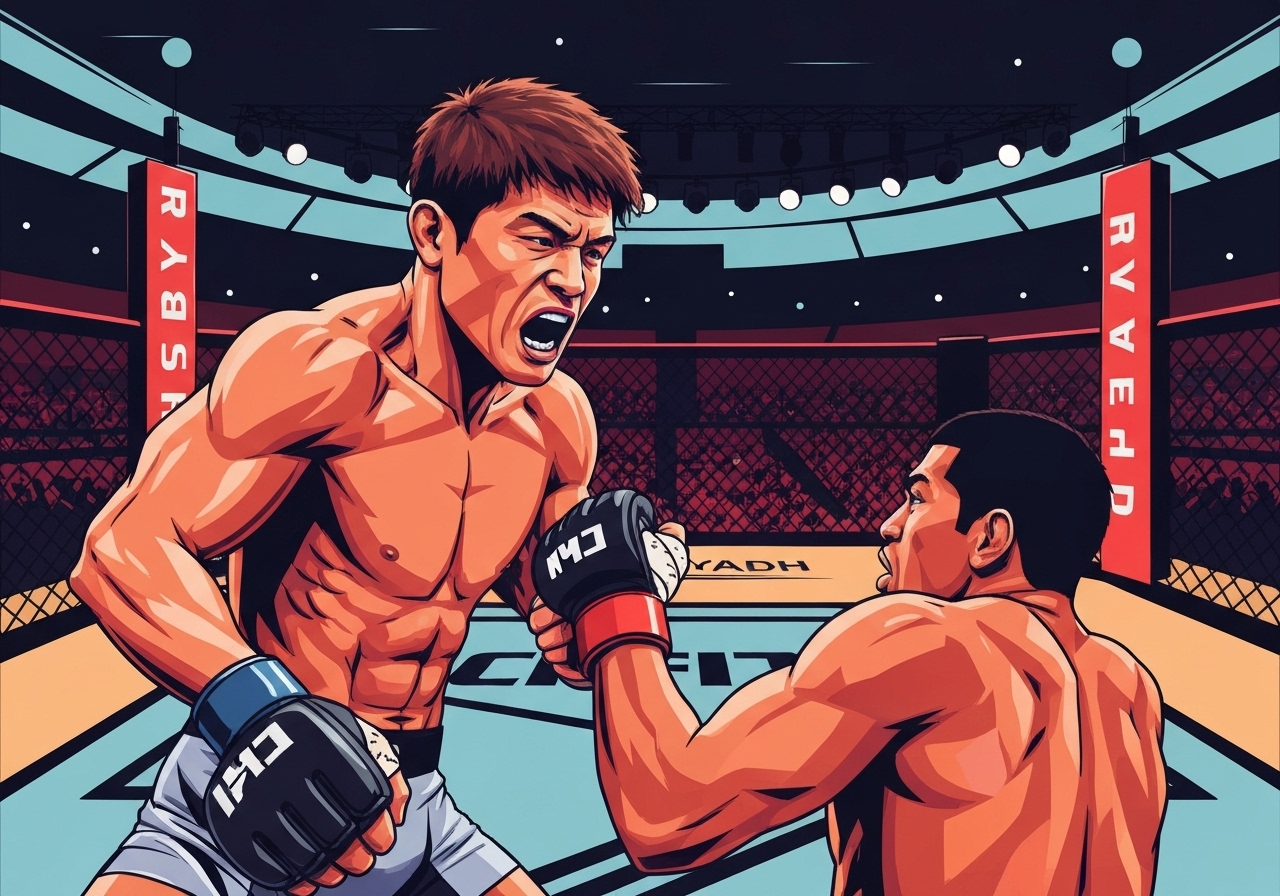
Naoya Inoue, 32, outpointed Alan David Picasso Romero in Riyadh over 12 rounds to retain his undisputed super-bantamweight title on a clear judges’ decision. The champions’ cornered scores were 119-109, 120-108 and 117-111, extending Inoue’s record to 32-0 with 27 stoppages. The victory was a controlled, tactical display that neutralised Picasso’s early power and left Inoue calling his own performance below his standard. The undercard saw Junto Nakatani also win a contentious decision, fuelling hopes of a future domestic showdown.
Key Takeaways
- Naoya Inoue retained the undisputed super-bantamweight title in Riyadh, with judges scoring the fight 119-109, 120-108 and 117-111 in his favour.
- Inoue improved his professional record to 32 wins, 27 by knockout, while Alan David Picasso dropped his first career defeat in his 34th fight.
- The 12-round contest highlighted Inoue’s speed, combinations and body attack; he increased pressure notably from rounds five and six onwards.
- Junto Nakatani won on the undercard by decision, with two judges 115-113 and one controversial 118-110 card; Nakatani is now 32-0 with 24 stoppages.
- High-profile figures were in attendance, including heavyweight champion Oleksandr Usyk and World Boxing president Gennady Golovkin.
- The result keeps alive speculation about Inoue fighting Junto Nakatani or moving up to featherweight to face WBA champion Nick Ball or unified super-flyweight titleholder Jesse ‘Bam’ Rodriguez.
Background
Naoya Inoue has been widely recognised as one of boxing’s elite pound-for-pound fighters after winning world titles in four divisions and becoming undisputed at two weights. His blend of hand speed, power and ring IQ has produced a 32-0 slate, with 27 wins by stoppage, and the promotional machinery around him has aimed global marquee events in recent seasons. The Riyadh show was part of Saudi Arabia’s expanding role in staging major boxing cards, attracting top names and large purses to the region.
Alan David Picasso Romero arrived in Riyadh as a 25-year-old challenger noted for his reach and occasional single-punch potency, but he had not faced an opponent of Inoue’s all-around class. The bout was promoted amid talk of future super-fights and followed a period in which Terence Crawford’s retirement reshaped the elite fighter landscape. Junto Nakatani’s move up in weight and his victory on the same card have added domestic intrigue for a potential Inoue-Nakatani clash.
Main Event
The fight opened with both men feeling each other out; Picasso used his height and single punches to test Inoue in the early rounds but did not stitch sustained offence. Inoue gradually increased the pace, landing combinations and working aggressively to the body from the mid rounds, slowing Picasso’s lateral movement. Strong right hands in rounds five and six, followed by repeated hooks to the torso, began to sap Picasso’s energy and effectiveness.
As the championship rounds progressed, Inoue maintained tighter combinations and controlled centre ring position, while Picasso’s chances diminished as his output and mobility dropped. A notable left hook in round 12 was a late rally attempt by Picasso, but the judges’ scorecards reflected a largely one-sided contest. Ringside observers noted Inoue’s composure and tactical execution, with the champion himself saying he expected to perform better despite the unanimous decision.
The fight marked Inoue’s fourth defence of his undisputed title in 2025 and reinforced his status as one of the sport’s most active elite fighters. Attendance and the presence of major boxing figures underscored the event’s significance for the sport’s global calendar. The outcome preserved Inoue’s unbeaten record and immediately prompted discussions about possible future opponents and weight divisions.
Analysis & Implications
Technically, Inoue demonstrated why he is rated among the pound-for-pound best: he combined timing, accuracy and targeted bodywork to wear down a taller opponent. The mid-fight adjustment—shifting to sustained body attacks and compact combinations—was decisive in eroding Picasso’s mobility and output. For Inoue, the victory consolidates his marketability and maintains momentum for high-value matchups, though he publicly expressed dissatisfaction with his own level.
For Picasso, the loss is a first professional defeat but also a learning moment against an elite opponent; he showed moments of dangerous single punches early but lacked the consistency to change the fight’s trajectory. The bout’s strategic lessons for challengers are clear: sustained pressure and effective bodywork can negate reach advantages against elite pressure fighters. Promoters will weigh those lessons when planning rematches or alternative matchups for Picasso.
The Nakatani result on the undercard introduces domestic and commercial pressure for an Inoue versus Nakatani contest, likely to be a high-revenue event should both men agree. Nakatani vacated WBC and IBF bantamweight titles to move up and has signalled intent to chase Inoue, making a 2026 meeting a realistic possibility if negotiations and weight arrangements align. However, boxing’s negotiation landscape—broadcast rights, promoters and sanctioning body approvals—can delay or derail even obvious sporting matchups.
Comparison & Data
| Fighter | Age | Record (W–L) | Knockouts | Judges’ Scores |
|---|---|---|---|---|
| Naoya Inoue | 32 | 32–0 | 27 | 119–109, 120–108, 117–111 |
| Alan David Picasso Romero | 25 | 33–1* | — | — |
| Junto Nakatani | 27 | 32–0 | 24 | 115–113, 115–113, 118–110 (undercard) |
The table summarises records and the official scorecards from the main event and the controversial undercard decision. The 118–110 card on Nakatani’s bout drew criticism for its divergence from the two closer 115–113 cards, highlighting persistent judging debates in boxing. These data points show both Inoue’s dominance and the sport’s recurrent officiating scrutiny.
Reactions & Quotes
Shortly after the fight Inoue offered a candid assessment of his own night, downplaying the comfortable decision. The champion’s critique is notable given the clear win on the scorecards.
My performance tonight is not good enough — I should have done better.
Naoya Inoue (champion)
Nakatani, speaking after his undercard win, reiterated his reason for moving up in weight and his ambitions to fight the division’s top names. His remarks frame the potential Inoue matchup as a primary objective.
I changed my weight class to aim for the world champion. If I’m given the opportunity to fight on that stage, I’ll do my best.
Junto Nakatani (challenger)
Observers in attendance, including World Boxing president Gennady Golovkin and heavyweight champion Oleksandr Usyk, underscored the event’s high profile; their presence amplifies the commercial and sporting interest in any future Inoue showdowns. Promoters and sanctioning bodies will now assess whether a domestic Inoue–Nakatani clash or international super-fight best serves the fighters and the sport.
Unconfirmed
- Talk of Inoue moving to featherweight to face Liverpool’s WBA champion Nick Ball remains speculative and not officially scheduled.
- There has been no formal agreement announced for an Inoue–Nakatani fight; negotiations and sanctioning approvals would be required.
- Details on purse splits and broadcaster commitments for any potential 2026 super-fight are unconfirmed and subject to negotiation.
Bottom Line
Naoya Inoue’s unanimous decision win in Riyadh reinforced his standing among boxing’s elite while exposing no clear vulnerabilities to rivals at super-bantamweight. The performance—technically effective though self-criticised by Inoue—preserves his unbeaten record and sets the stage for high-profile options, including domestic and cross-weight super-fights.
Junto Nakatani’s undercard victory, despite a controversial scorecard, makes a future Inoue–Nakatani meeting a compelling narrative for 2026, both sportingly and commercially. However, until contracts are signed and sanctioning bodies approve, the bout remains a probable but unconfirmed next chapter.