
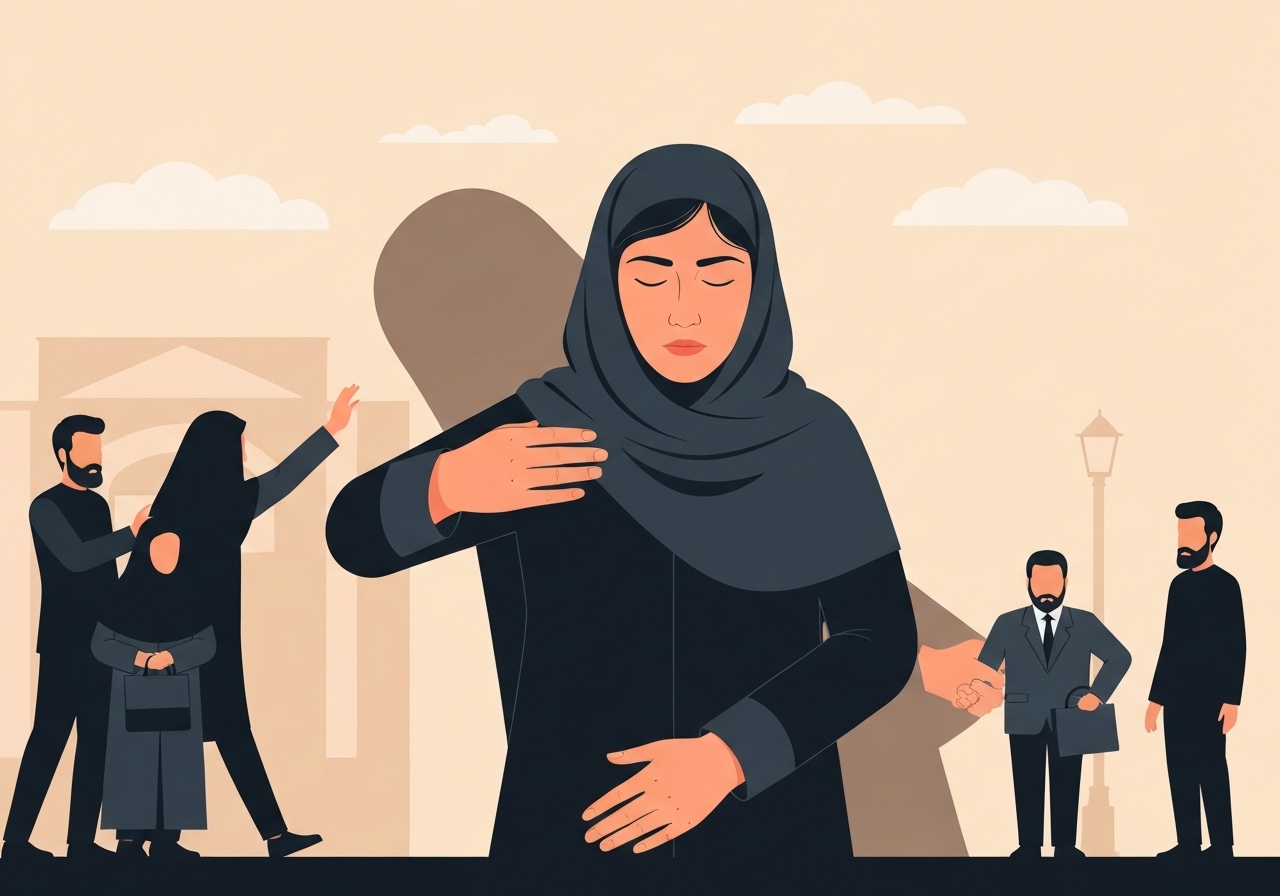
Lead: Iranian authorities detained Nobel Peace Prize laureate Narges Mohammadi on Friday in Mashhad, her Paris-based foundation said, citing her brother Mehdi and verified reports. The foundation said security and police forces removed her from a memorial for lawyer Khosrow Alikordi, who was recently found dead in his office. Mohammadi, awarded the 2023 Nobel Peace Prize, has spent much of the past two decades detained in Tehran’s Evin prison and is serving multiple sentences totaling 31 years. Her supporters are calling for immediate release while authorities have not publicly confirmed the arrest.
Key Takeaways
- Mohammadi was reportedly arrested on Friday in Mashhad during a memorial for Khosrow Alikordi, according to the Paris-based Narges Foundation and her brother Mehdi.
- She is a 2023 Nobel Peace Prize laureate and has been imprisoned for most of the past two decades, held primarily at Evin prison.
- Mohammadi faces multiple convictions with combined sentences of 31 years for charges including acting against national security and spreading propaganda.
- In December 2024, Iranian authorities granted a three-week medical leave after a November surgery to remove part of a bone in her lower right leg for a lesion suspected to be cancerous.
- The Narges Foundation reported that several other activists were detained at the same memorial; independent confirmation of the number and identities is limited.
- Over the past year Mohammadi continued international advocacy, including a recent Time magazine piece and a December 2024 interview with Christiane Amanpour while on medical leave.
- Mohammadi has reported abuse and sexual violence in detention dating back to 1999; the Iranian government has denied those widespread allegations, including responses to a 2022 CNN investigation.
Background
Narges Mohammadi is one of Iran’s most prominent human rights lawyers and a leading voice for women’s and civil liberties. She was awarded the Nobel Peace Prize in 2023 for her sustained activism and has repeatedly been prosecuted by Iranian courts. Over roughly two decades she has repeatedly been detained at Evin prison, which is internationally known for housing political prisoners and critics of the government.
Her legal troubles have resulted in multiple convictions that together add up to 31 years behind bars. Authorities have accused her of national-security-related offenses and propagating against the state, charges commonly used in Iran against dissidents. Mohammadi’s family and human rights groups have documented periods of solitary confinement and medical issues that have intersected with short-term releases for treatment.
Main Event
The Narges Foundation, based in Paris, said Mohammadi was “violently detained” by security and police forces while attending a memorial service in Mashhad for Khosrow Alikordi, a lawyer recently discovered dead in his office. The foundation cited “verified reports” and Mohammadi’s brother, Mehdi, as sources for the account. The memorial was intended as a moment of solidarity among activists and colleagues.
According to the foundation, several other activists at the memorial were also detained; details on the identities, number and current location of those held remain limited. Local officials have not issued a public statement confirming the arrests or providing an official explanation. The foundation has called for the immediate and unconditional release of those detained.
Mohammadi has been out of prolonged custody only intermittently for medical care. Authorities suspended her prison term for three weeks in December 2024 to allow recovery after a November surgery to remove part of a bone in her lower right leg, where doctors had identified a lesion suspected of being cancerous. Following that medical leave she was expected to return to prison to continue serving her cumulative sentences.
Analysis & Implications
The reported detention of a Nobel laureate in public while attending a memorial signals the Iranian state’s low tolerance for visible dissent, even when directed at privately organized commemorations. Arresting a figure of Mohammadi’s international stature could be intended as a deterrent to domestic activists and a message to foreign observers that protest and dissent will continue to be policed. It may also complicate Tehran’s relations with countries and institutions that publicly celebrated her Nobel recognition in 2023.
Domestically, the arrest could intensify anger among human rights activists and women’s-rights campaigners who view Mohammadi as a symbolically important leader. Internationally, it is likely to generate further condemnation from human-rights organizations and Western governments, potentially prompting new statements, targeted sanctions or diplomatic démarches—though such actions have had mixed impact on Iran’s internal security policies in the past.
From a legal and humanitarian standpoint, the case highlights continuing concerns about political trials, lengthy combined sentences, and prison conditions in Iran. Mohammadi’s documented medical needs, including recent surgery and a lesion suspected to be cancerous, raise additional questions about detainee health care and whether short-term medical leaves are adequate or used as temporary relief rather than remedial steps.
Comparison & Data
| Item | Fact |
|---|---|
| Nobel Prize | 2023 — Nobel Peace Prize laureate |
| Combined prison sentences | 31 years |
| Medical leave | Three-week suspension in December 2024 after November surgery |
| Reported detention | Arrested in Mashhad during memorial (reported Friday) |
The brief table above summarizes the core verifiable facts most directly relevant to Mohammadi’s current status: internationally recognized award (2023), cumulative sentence length (31 years), recent medical leave (Dec 2024), and the reported arrest in Mashhad. These measurable touchpoints frame both humanitarian and legal discussions surrounding her detention.
Reactions & Quotes
Supporters and rights groups reacted quickly, describing the reported arrest as part of a pattern of repression against high-profile critics. The Narges Foundation urged the immediate release of all those taken into custody at the memorial and framed the detentions as an attack on peaceful expression and solidarity.
“Their peace is disrupted by surveillance, censorship, arbitrary arrest, torture, and the constant threat of violence.”
Narges Mohammadi, Time magazine (recent opinion piece)
The above line, from Mohammadi’s recent piece for Time, articulated her argument that everyday life in Iran is constrained by pervasive state controls. The passage has been cited by advocates to underscore why civil-society figures continue to mobilize despite risk of arrest.
“Whether I am inside Evin or outside Evin, my goal is very clear, and until we achieve democracy, we are not going to stop.”
Narges Mohammadi, interview with Christiane Amanpour (December 2024)
In a December 2024 interview during her medical release, Mohammadi reiterated her commitment to continued activism whether detained or free. Her sustained public presence since then—speaking at human-rights events and publishing opinion pieces—may have contributed to heightened official scrutiny.
Unconfirmed
- Exact number and identities of other activists detained at the Mashhad memorial remain unverified beyond the foundation’s account.
- Independent confirmation of alleged use of violence during Mohammadi’s detention is limited; reports are based on the foundation and family sources.
- Official statements from Iranian authorities clarifying the reason for the detention or the legal status of those held had not been publicly released at the time of reporting.
Bottom Line
The reported arrest of Narges Mohammadi marks another high-profile confrontation between Iranian authorities and a internationally recognized human-rights advocate. It underscores persistent tensions over dissent, the use of national-security charges against activists, and the humanitarian concerns raised by lengthy and cumulative prison sentences.
Observers should watch for official statements from Iranian authorities, the condition and whereabouts of those detained at the memorial, and international responses from governments and rights organizations. Given Mohammadi’s medical history and global prominence, this incident is likely to remain a focal point in discussions about human rights practices in Iran in the near term.
Sources
- CNN (news report) — initial detailed report of the arrest and background.
- Nobel Prize (official) — laureate profile and citation for 2023 Peace Prize.
- Time (magazine) — recent opinion piece by Mohammadi and related coverage.