
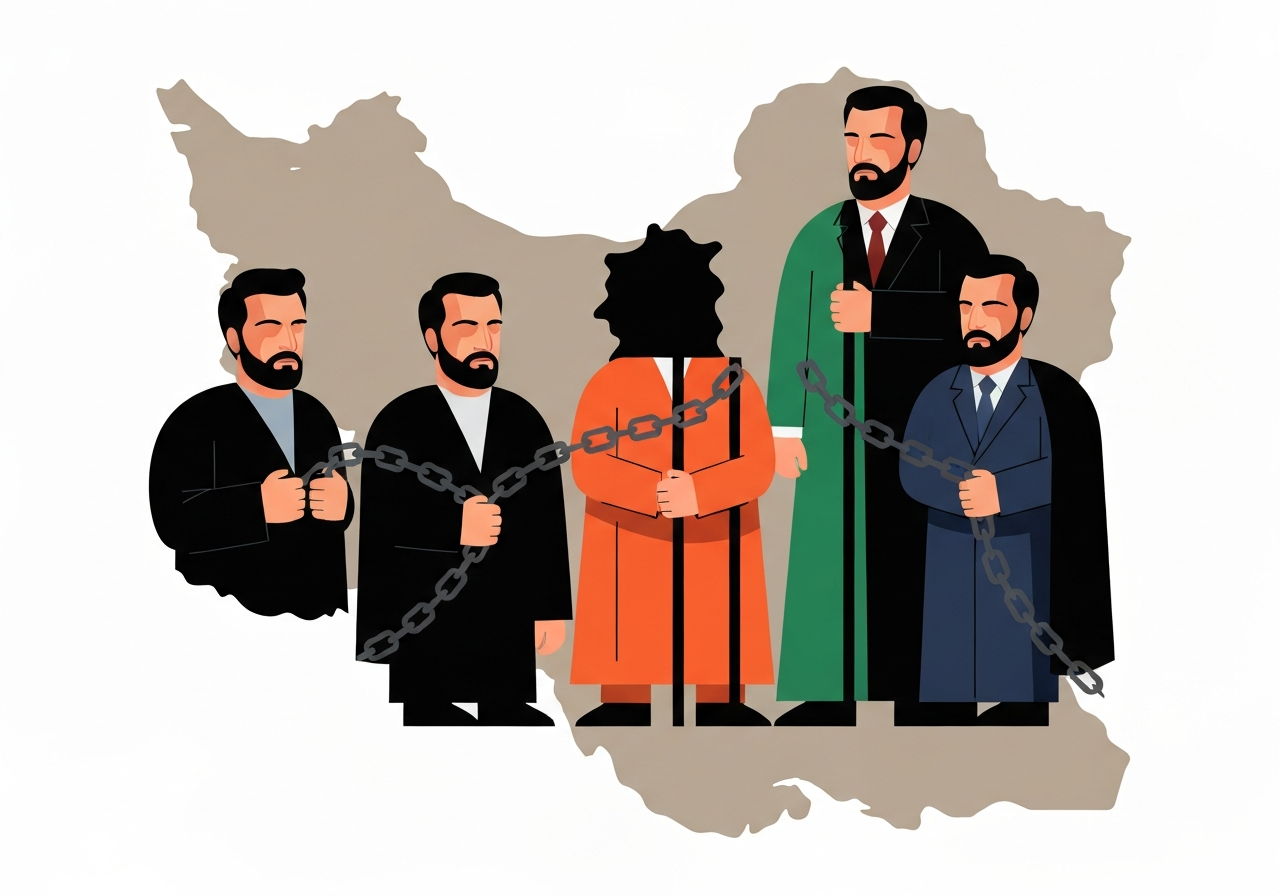
Iranian authorities have detained several senior figures from the country’s reformist political camp, the Financial Times reports. The arrests, announced in press coverage this week, target politicians who have long pushed for greater social and political freedoms inside the Islamic Republic. Officials and state-aligned outlets frame the detentions as security or legal measures; reformist circles describe them as further restrictions ahead of political contests. The move has prompted concern among domestic observers and foreign diplomats about the narrowing space for moderate voices.
Key Takeaways
- The Financial Times reports that multiple leading reformist politicians were arrested this week; the exact number and identities remain partially reported.
- State-aligned sources characterize the detentions as related to national security or legal violations, according to available coverage.
- Reformist parties and activists view the arrests as a political squeeze that could weaken moderate candidates ahead of upcoming votes.
- International diplomats and rights organizations expressed concern about shrinking political space and potential impacts on Iran’s international engagement.
- Independent verification of charges, detention locations and legal procedures is limited; journalists and NGOs are seeking clarifying information.
Background
The reformist political current in Iran has long advocated incremental change within the framework of the Islamic Republic, promoting measures such as civil liberties expansion, economic openness and pragmatic foreign policy. Since the 1990s, reformist figures have alternated between electoral success and periods of suppression by hardline institutions; large-scale crackdowns followed major unrest in 2009 and at other junctures. The balance of power between elected institutions and unelected security and judicial bodies has recurrently shaped which candidates can organize, run and campaign.
Recent years have seen heightened tensions between reformists and conservative factions over social policy, economic management and international diplomacy. Domestic unrest and external pressures, including sanctions and regional security concerns, have at times provided authorities with a pretext for tighter policing of political activity. Electoral cycles in Iran often trigger intensified scrutiny of opposition networks, with authorities citing security, legal or procedural grounds for limiting participation.
Main Event
According to Financial Times reporting, security forces detained several prominent reformist politicians during the latest round of actions. The arrests were reported in national media and picked up by international outlets; official statements referenced investigative or legal grounds without detailing charges in public briefings. At the time of reporting, lawyers and party officials were seeking access to detained individuals and clearer information about legal processes.
Reformist organizations described the detentions as part of a broader pattern of pressure on moderate political actors, saying the actions undermine open competition. Authorities have argued that measures target persons whose conduct purportedly threatened public order or national security, though independent corroboration of those claims is limited. The detentions appear to have taken place in multiple cities, and some arrestees are reported to be held pending further inquiry.
The timing of the arrests — coming amid an active political calendar — has heightened their significance. Analysts note that sidelining high-profile reformists can affect candidate selection, voter mobilization and the tenor of campaigns. Domestic protests or public statements in response were limited at the time of reporting, in part because of the chilling effect of prior crackdowns.
Analysis & Implications
Politically, these detentions risk narrowing the spectrum of permissible voices within Iran’s formal political system. By removing or intimidating reformist leaders, authorities may consolidate influence among more conservative or security-aligned actors, altering candidate slates and reducing voter choice. That dynamic could depress turnout among constituencies that favor reformist agendas and change the legislative balance if elections proceed with limited competition.
On the legal and institutional front, the episode underscores the decisive role of security, judicial and supervisory bodies in shaping political outcomes. Even when charges are framed as criminal or security matters, the selective use of detention can function as a tool of political management. Observers say transparency about accusations, access to counsel and clear judicial timetables are critical to assessing whether arrests meet international standards of due process.
Internationally, the detentions may complicate diplomatic engagement. Western governments and international organizations that emphasize human rights are likely to register concern, potentially influencing dialogues on sanctions relief, nuclear talks or regional diplomacy. Conversely, hardline elements within Iran may interpret limited foreign criticism as insufficiently consequential, affecting calculations about future political controls.
Comparison & Data
| Event | Typical Government Response | Reported Impact on Reformists |
|---|---|---|
| 2009 Green Movement unrest | Mass arrests, trials, media clampdown | Large-scale suppression, long-term curbs on activists |
| Recent protest cycles | Targeted detentions, judicial cases | Fragmentation of organizing networks |
| Current arrests (FT report) | Legal/security detentions (details limited) | Potential sidelining of senior reformist figures |
The table situates the current reports within a pattern of episodic crackdowns that have historically curtailed reformist momentum. While past incidents produced measurable declines in activist organizing and electoral participation among reform-minded voters, the exact scale and duration of the present effects depend on the number of detainees, legal outcomes and public response.
Reactions & Quotes
Observers say the detentions signal a tightening of political space as authorities prioritize security and control over pluralism.
Independent analyst (summary of expert commentary)
Reformist groups describe the arrests as politically motivated moves that risk disenfranchising their constituencies ahead of key votes.
Reformist party statements (reported)
Officials have framed actions as part of lawful investigations, though public details remain sparse.
State-aligned reporting (summarized)
Unconfirmed
- Precise number and full identities of all detained individuals remain unverified in public records.
- Specific legal charges, if any, and their evidentiary basis have not been independently confirmed.
- Locations of detention, access to counsel and court timetables for the arrested politicians are not fully reported.
Bottom Line
The reported arrests of leading reformist politicians, if sustained and expanded, represent a significant constriction of Iran’s political pluralism with potential effects on upcoming electoral contests and public confidence in political institutions. The balance between security claims and political rights will shape domestic legitimacy and international responses.
Key uncertainties — including the identities of all detainees, the legal bases for detention and the scope of any prosecutions — are decisive for assessing the long-term impact. Observers and rights groups will be watching whether transparency, due process and opportunities for political participation are maintained or further eroded.
Sources
- Financial Times (international news outlet, reporting)