
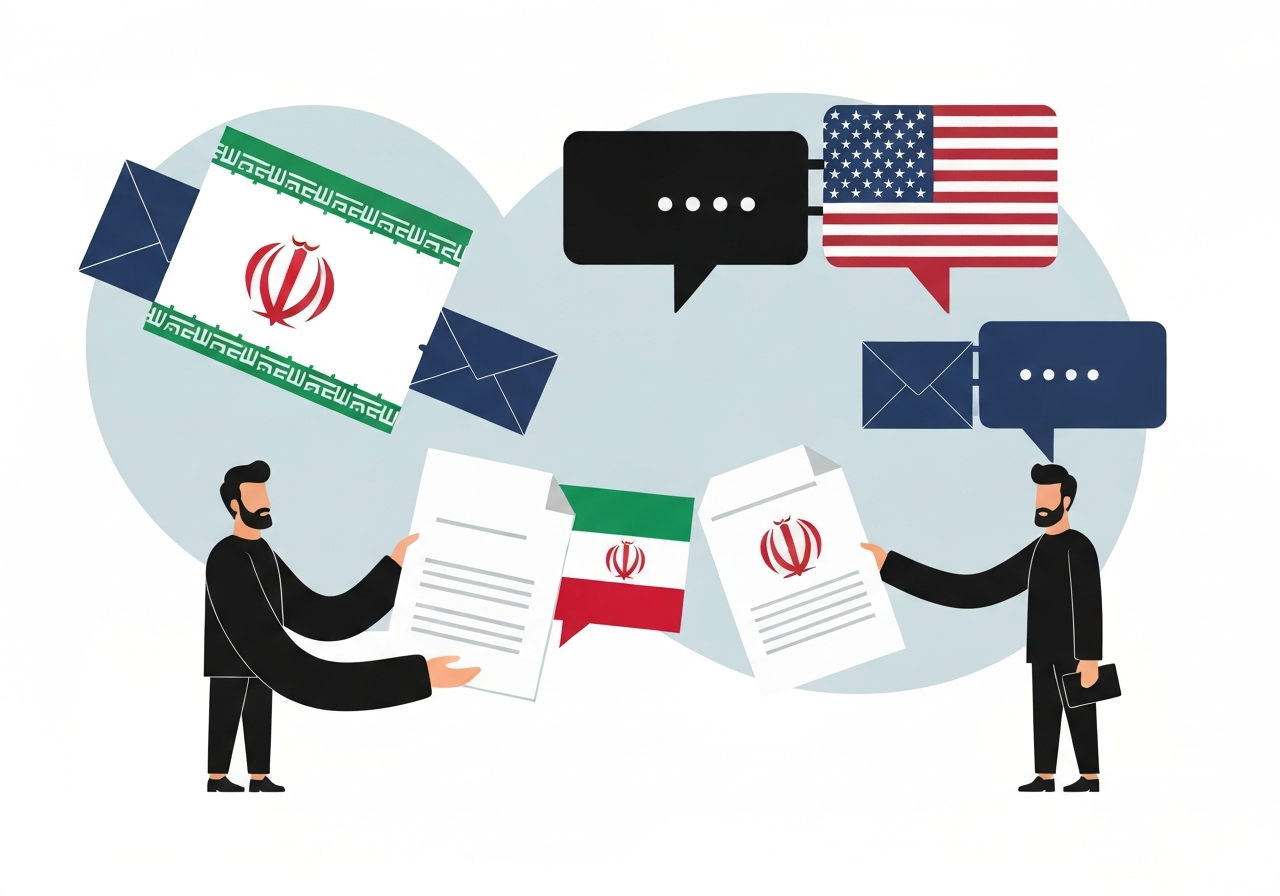
Lead: Iran rejected a US-proposed ceasefire on Wednesday and instead circulated its own terms through intermediaries as regional emissaries tried to preserve diplomatic channels. Tehran, speaking through state media and senior officials, said it will stop fighting only on its own timetable and conditions, and signalled it had no immediate intent to negotiate. The exchange occurred amid competing public accounts about who is mediating and growing civilian casualties across the region. International actors continued to press for de-escalation while preparing for a protracted diplomatic effort.
Key takeaways
- Iran formally rejected a US ceasefire proposal delivered via Pakistan on Wednesday and presented an alternative plan to intermediaries.
- Iranian state TV quoted an anonymous official saying Tehran will “end the war when it decides to do so and when its own conditions are met.”
- Foreign Minister Abbas Araghchi said proposals were referred to senior authorities but added Iran had “no intention of negotiating for now.”
- Casualty figures reported by national authorities: more than 1,500 killed in Iran, more than 1,000 in Lebanon and 16 in Israel; additional fatalities occurred in the West Bank and Gulf states.
- Gulf states expressed skepticism about US claims that talks were underway; Qatar publicly denied acting as chief mediator in this round.
- Mediators involved so far include Pakistan (as a transmission channel) and disputed reports regarding Qatar’s role.
- Health experts warn of collapsing healthcare access in conflict zones, compounding civilian harm and displacement.
Background
The current confrontation follows months of escalating cross-border strikes and proxy clashes involving state and non-state actors across the Middle East. Longstanding tensions between Iran and Israel, and the US role in the region, have periodically produced armed flare-ups; the present cycle has been notable for its geographic spread, reaching Lebanon, the West Bank and Gulf states. External powers and regional intermediaries have intermittently tried to broker pauses, but past efforts have often stalled over competing red lines and demands for reciprocity.
Diplomatic channels in the region are fragmented: Qatar has frequently acted as a mediator in previous crises, Pakistan has served as a conduit in exchanges, and other Gulf states have oscillated between quiet diplomacy and public caution. Domestic politics in the United States and Iran complicate negotiations; each side faces constituencies and security establishments that limit flexibility. Humanitarian organizations have repeatedly warned that continued hostilities are straining hospitals, supply chains and the delivery of aid.
Main event
On Wednesday, a US-proposed ceasefire was reportedly transmitted to Tehran via Pakistan; Iranian state television said the proposal was rejected and Tehran responded by submitting its own negotiating framework. Officials cited by state media framed Iran’s posture as conditional: the country will cease hostilities only when its leadership determines objectives are met. Foreign Minister Abbas Araghchi later confirmed the proposals had been forwarded to senior authorities but said Iran had no current intention to enter talks.
Gulf capitals responded uneasily to public claims of ongoing negotiations. A Qatari government spokesperson, Majed al-Ansari, said Qatar was not involved in mediation efforts tied to the most recent exchanges, adding a qualified “if they exist,” a remark that undercut assertions that Doha was brokering the talks. Other regional actors have been more reserved, calling for restraint while stopping short of publicly endorsing any single mediation track.
On the ground, the conflict’s human cost grows. National tallies attributed more than 1,500 deaths to violence in Iran, over 1,000 in Lebanon and 16 in Israel, with additional fatalities reported across the West Bank and Gulf Arab states. Health-system breakdowns have been reported by local authorities and aid groups, with experts warning that continued fighting will increase civilian mortality and disrupt essential services, including emergency care and chronic disease treatment.
Analysis & implications
Tehran’s rejection of a US-drafted ceasefire and circulation of an alternative plan shifts the negotiation dynamic from immediate de-escalation toward a protracted bargaining process. By insisting on ending hostilities only on its terms, Iran is signalling that battlefield gains and political objectives—not external timelines—will determine any pause. That posture increases the likelihood of episodic escalations as each side tests the other’s resolve.
Regionally, the fragmentation of mediation channels complicates peacemaking. Qatar’s public distancing from this round, whether accurate or tactical, reduces the number of trusted intermediaries able to shuttle proposals between Tehran and Washington. Without a clear, mutually accepted intermediary, back-channel diplomacy becomes harder and public messaging risks producing contradictory accounts that undermine trust.
Internationally, the mismatch between battlefield realities and diplomatic claims raises risks for civilian populations and for states drawn into the confrontation. The casualty figures and reports of healthcare collapse suggest humanitarian needs will outpace relief capacity, pressuring donor governments and international organizations. Economically, sustained conflict could disrupt energy markets and regional trade, influencing global prices and investor sentiment.
Comparison & data
| Location | Reported deaths |
|---|---|
| Iran | More than 1,500 |
| Lebanon | More than 1,000 |
| Israel | 16 |
| West Bank & Gulf states | More than a dozen |
These figures, drawn from national announcements and media reporting, indicate the asymmetric human cost across jurisdictions. They do not account for injured, displaced, or secondary mortality caused by interrupted healthcare and services. Tracking and verifying casualty data in active conflict zones is inherently difficult and subject to revision as additional information becomes available.
Reactions & quotes
“We will end the war when it decides to do so and when its own conditions are met,”
Anonymous Iranian official, quoted by state media
This statement, carried by Iranian state television, framed Tehran’s posture as sovereign and conditional—emphasising national decision-making rather than external timetables.
“The proposals have been passed on to the country’s senior authorities; Iran has no intention of negotiating for now,”
Abbas Araghchi, Iran’s foreign minister
Araghchi’s remark reiterated internal referral of the proposals while signalling a current refusal to enter negotiations, underscoring a pause in direct diplomacy.
“Qatar was not involved in any mediation efforts… If they exist,”
Majed al-Ansari, Qatari government spokesperson
Al-Ansari’s comments represent a notable public departure from Qatar’s frequent role as a regional intermediary and introduce ambiguity about who is handling talks.
Unconfirmed
- Claims that high-level talks are taking place are inconsistent across public statements and remain unverified by independent third-party observers.
- Reports that Qatar is acting as the primary mediator in this exchange have been publicly denied by a Qatari spokesperson and therefore remain disputed.
- Assertions about the abduction of specific foreign leaders in unrelated cases, as circulated in some summaries, lack independent confirmation in open-source reporting.
- Survivors’ and some lawmakers’ assertions that specific Epstein-era files are still missing contrast with the Justice Department’s statement that all non-privileged documents have been released; the discrepancy is unresolved.
Bottom line
Iran’s rejection of a US ceasefire proposal and presentation of an alternative plan signal that diplomacy will be drawn out and conditional. Without shared intermediaries or a mutually accepted verification mechanism, short-term pauses are possible but a durable settlement remains unlikely in the immediate term.
For civilians and aid agencies, the urgent priority is protecting health services and ensuring humanitarian access as hostilities continue. International actors who wish to reduce the risk of wider escalation will need to coordinate quietly, clarify mediation roles, and press for verifiable confidence-building measures that address the core security concerns raised by all parties.
Sources
- The Guardian (news media) — original briefing summarising government statements and regional reactions.
- Islamic Republic of Iran Broadcasting (IRIB) (state broadcaster) — cited for Iran’s official lines and anonymous statements in state media.
- Qatar Ministry of Foreign Affairs (government) — reference for official Qatari positions and spokesperson communications.
- U.S. Department of Justice (official) — source for statements on document releases referenced in related reporting.