
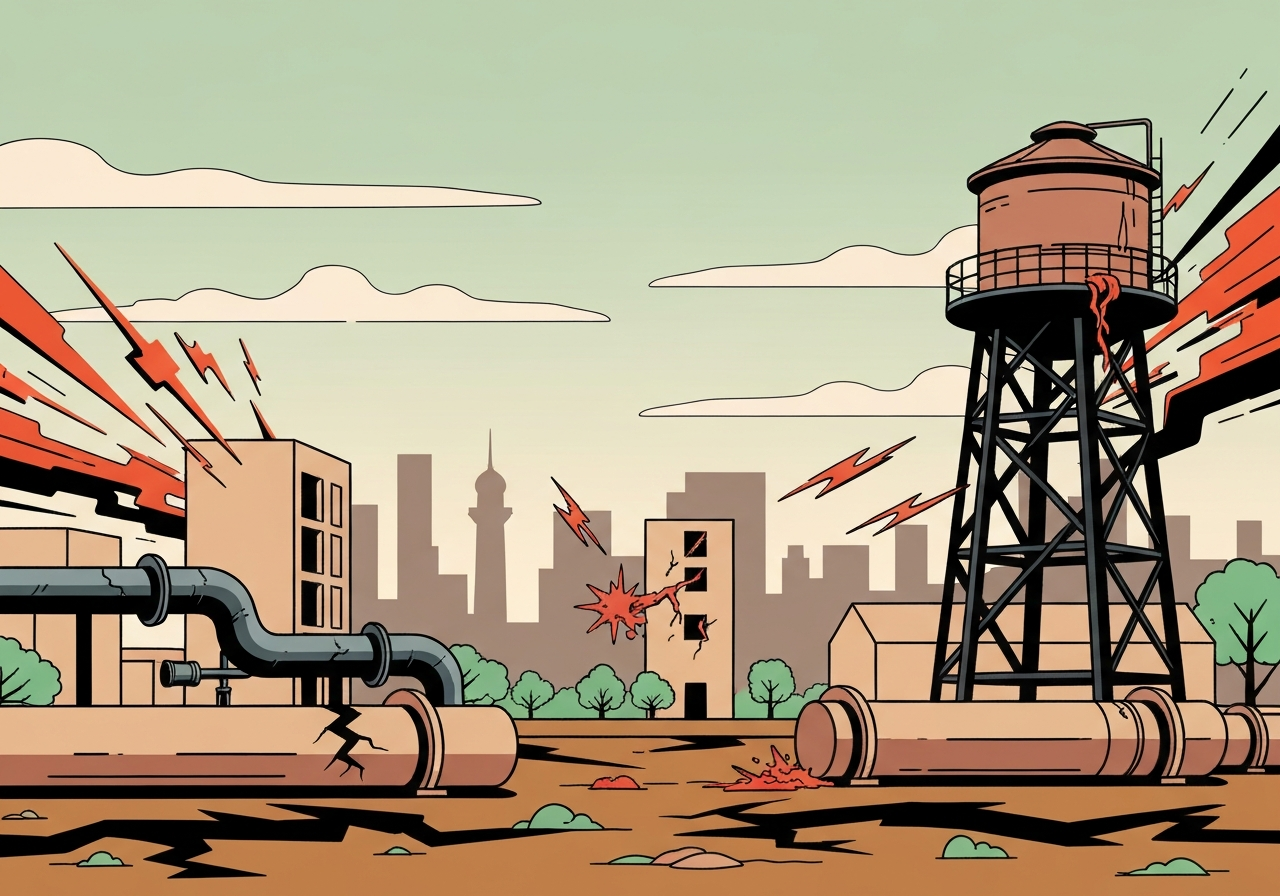
Lead: Iranian state media reported on Sunday that senior clerics are close to naming a successor to Ayatollah Ali Khamenei as U.S. and Israeli forces continued airstrikes that have hit fuel depots and desalination plants across the region. The strikes, which began after the conflict opened on Feb. 28, have disrupted power and water services and raised the civilian death toll and displacement. The Pentagon confirmed a seventh U.S. service member died of wounds sustained on March 1, while leaders on all sides issued warnings and mixed signals about next steps.
Key Takeaways
- The Assembly of Experts has reportedly reached a majority view on a successor to Ayatollah Khamenei; state outlets did not name the candidate and deliberations continue.
- U.S. and Israeli airstrikes struck Iranian fuel depots and other energy infrastructure over the weekend; Iranian officials say some attacks damaged desalination facilities serving villages on Qeshm Island.
- The Pentagon announced a seventh American casualty linked to a March 1 Iranian strike on a Saudi base that hosted U.S. personnel; roughly a dozen more U.S. troops were wounded in that attack.
- Iranian retaliatory barrages of missiles and drones have struck across the Persian Gulf and into Israel, with civilian infrastructure—including water plants—damaged in multiple states.
- Global energy markets reacted: average U.S. gasoline prices rose about 16% since the conflict began, and tanker movements through the Strait of Hormuz remain heavily constrained.
- Casualty estimates vary: the Iranian Red Crescent previously reported nearly 800 dead; Iran’s U.N. ambassador later cited more than 1,300 deaths; Lebanon’s health ministry reported nearly 400 fatalities there.
Background
The current confrontation began on Feb. 28 when coordinated U.S. and Israeli strikes targeted Iranian military leadership and facilities. According to multiple official and media accounts, Ayatollah Ali Khamenei was killed in the opening phase of those operations, prompting an intensified exchange of strikes across the Middle East. The fighting quickly spread beyond Iran’s borders, drawing in Israel, Lebanon, Iraq, Gulf states and maritime routes in the region.
Iran’s political system vests the highest authority in the supreme leader, selected by the Assembly of Experts, a body of senior clerics. The sudden vacancy of that post has exceptional political consequences at home and abroad: a successor shapes both internal governance and Iran’s foreign-policy posture. External powers, including the United States and Israel, have publicly signaled they will closely monitor — and in some comments seek to influence — who fills the role, complicating an already fraught process.
Main Event
Over the weekend, U.S. and Israeli forces struck energy and military sites in and around Tehran and other provinces. Israeli officials said fuel depots were targeted because they were being used by Iran’s armed forces; U.S. officials described strikes on sites affiliated with the Islamic Revolutionary Guard Corps, missile launchers and remaining air-defense systems. Residents in Tehran reported dense, oily smoke from burning fuel depots and temporary disruptions in daily life as government offices curtailed operations.
Desalination plants, central to Gulf states’ water supplies, were reported hit in Iran and on Bahrain’s island territory, raising alarm about drinking water access for hundreds of thousands of residents. Iran’s foreign minister publicly accused the United States of striking an Iranian desalination plant on Qeshm Island, saying that the U.S. action precipitated the Bahraini attack; U.S. and Bahraini authorities provided competing accounts of responsibility.
The Pentagon said a service member wounded on March 1 at a Saudi base where U.S. troops were stationed died on Saturday night while awaiting transfer for advanced care in Germany, bringing U.S. military fatalities to seven. That earlier strike on March 1 also wounded about a dozen other U.S. troops. Meanwhile, the Israeli military reported intensive operations in Lebanon and within Iran, and Iran’s proxies in Lebanon and Iraq have continued to engage Israeli and U.S. interests.
Analysis & Implications
First, attacks on energy and water infrastructure elevate the humanitarian stakes: desalination and electricity systems are hard to repair quickly and serve civilian populations broadly. Disruption could force rationing or population movements and sharpen domestic pressure on Iran and affected Gulf states. Experts warn that hitting such infrastructure risks long-term damage that outlasts the immediate military campaign.
Second, the succession process for Iran’s highest office is now unfolding amid active hostilities. Naming a new supreme leader while strikes continue creates a fraught interaction between domestic legitimacy and external threats. If clerics select a candidate perceived as a hardliner or as someone backed by family networks, that could deepen the conflict dynamic and invite further targeting by adversaries who publicly say they will treat some figures as legitimate military objectives.
Third, the widening geographic footprint of the war — from the Strait of Hormuz to Lebanon and Iraq — raises costs for international commerce and regional stability. Shipping insurers and operators have reduced traffic through the Strait of Hormuz; while some tankers have transited, many remain anchored. Higher oil and fuel prices are already affecting consumers worldwide and could sustain economic ripple effects if disruptions persist.
Comparison & Data
| Indicator | Reported Figure | Notes |
|---|---|---|
| U.S. military fatalities | 7 | Seventh died from wounds sustained March 1 |
| Iran reported deaths | ~800 to 1,300+ | Red Crescent ~800; Iran’s U.N. envoy cited >1,300 |
| Lebanon fatalities | ~400 | Lebanese health ministry tally |
| Targets struck (U.S. claim) | 3,000+ first week | Includes ships and Iranian military sites |
| Iran energy export revenue (2024 est.) | $78 billion | FGE estimate for 2024 |
| U.S. gas price change | +16% | Average since conflict began |
These figures reflect competing tallies and periodic official updates; differences in counting methodology and reporting access contribute to divergent totals. The data emphasize both the human cost and the scale of kinetic and economic impacts to date.
Reactions & Quotes
“Whoever is selected as the next supreme leader is not going to last long if he does not get approval from us,”
Former President Donald Trump, ABC News interview
Mr. Trump’s remark underscores U.S. rhetoric about regime change and raises questions about external influence over an internal clerical process.
“We strongly urge civilians in Iran to stay at home,”
U.S. Central Command (public warning)
CENTCOM sent multilingual warnings asserting that some Iranian military assets operate from populated areas; the effectiveness of those warnings is uncertain where communications are disrupted.
“This is not the war of our choice,”
Abbas Araghchi, Iran’s Foreign Minister, NBC’s Meet the Press
Araghchi rejected outside interference in Iran’s succession and called for explanation of initial attacks before considering a cease-fire.
Unconfirmed
- Reports that Mojtaba Khamenei is the named successor remain unverified; state outlets and Assembly members have not released an official vote record.
- Attribution of some strikes—particularly which strikes hit desalination plants in Bahrain versus Qeshm Island—has conflicting claims and has not been independently verified in all cases.
- Exact civilian casualty figures across Iran and the region vary widely and have not been reconciled by an independent international body.
Bottom Line
The rapprochement of Iran’s clerical leadership to name a successor is occurring amid intense and continuing military operations that have expanded the conflict’s humanitarian and economic footprint. Attacks on energy and water infrastructure magnify civilian risk and could produce damage that persists long after hostilities subside.
For policymakers and publics alike, the near-term priorities are protecting civilians, clarifying responsibility for attacks on civilian infrastructure, and preventing further escalation that could entangle more states and critical global supply lines. The succession outcome in Tehran will shape Iran’s strategic posture, but the immediate trajectory of the war depends on whether external powers and regional actors shift toward de-escalation or further kinetic action.
Sources
- The New York Times (news reporting)
- U.S. Department of Defense (official statements)
- IRNA — Islamic Republic News Agency (Iran state media)
- Fars News Agency (IRGC-affiliated news outlet)
- AAA Gas Prices (consumer fuel data)
- UKMTO — United Kingdom Maritime Trade Operations (maritime security advisories)