
Lead
Ten days into the Israel‑Iran war, Iran appointed 56‑year‑old Mojtaba Khamenei as its new supreme leader, a move that coincided Monday with a sharp jump in global oil prices and volatile markets. The selection — seen as consolidating power with Iran’s Revolutionary Guard — intensified fears about prolonged regional conflict after strikes disrupted major energy routes and infrastructure. While oil briefly surged toward nearly $120 a barrel, markets later trimmed losses amid diplomatic contacts and hopes the fighting may not extend indefinitely. Civilians and energy facilities across the region have been hit, prompting evacuations and disruption to shipping through the Strait of Hormuz.
Key Takeaways
- Iran’s new supreme leader, Mojtaba Khamenei, age 56, was named on Monday, marking the third person to hold the post since 1979 and signaling a potentially harder line from Tehran.
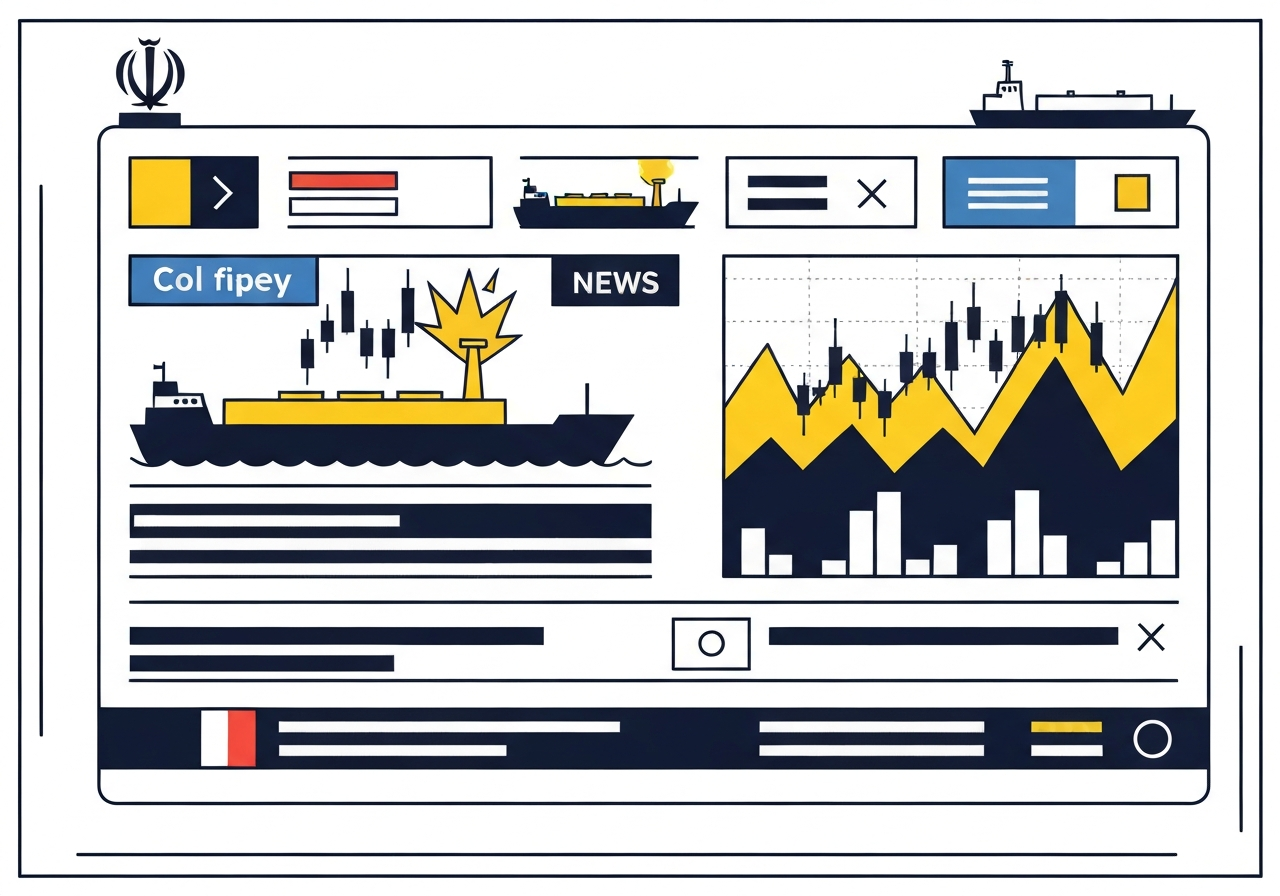
- Oil prices spiked to nearly $120 per barrel — the highest since 2022 — before retreating toward about $90 as markets reacted to mixed signals and diplomatic outreach.
- Attacks on the Strait of Hormuz and nearby waters have severely disrupted tanker traffic; the strait transports roughly one‑fifth of global seaborne oil.
- The conflict has caused widespread infrastructure damage: strikes hit bases, government sites, oil and water installations, hotels and at least one school across multiple countries.
- Casualty counts reported include at least 1,230 dead in Iran, 397 in Lebanon and 11 in Israel; seven U.S. service members have been killed, per officials cited in reporting.
- Regional incidents Monday included strikes on Saudi and Emirati facilities, 15 ballistic missiles and 18 drones reported over the UAE, and dozens wounded in Bahrain, including children.
- Political leaders pursued rapid diplomacy: U.S., Russian and Gulf officials held talks amid competing public statements about objectives and timelines.
Background
The current fighting began ten days ago with military exchanges that quickly escalated into cross‑border strikes and broad targeting of energy and civilian infrastructure. Iran’s Islamic Republic has been governed since 1979 by a system in which the supreme leader wields final authority over foreign, security and nuclear policy; Mojtaba Khamenei is the third person to assume that role in the republic’s history. His father, Ayatollah Ali Khamenei, had led since 1989 until he was killed in the conflict’s initial salvo.
The Revolutionary Guard, a powerful paramilitary organization with close ties to the new leader, has been central to the campaign of missiles and drones aimed at Israel and several Gulf states. Prior domestic unrest — including mass protests earlier this year that security forces violently suppressed — illustrates the domestic tensions Tehran faces even as it shifts toward an openly confrontational regional posture. Key energy producers in the Gulf have been directly affected, with oil and gas facilities struck and international companies pulling staff from regional business centers.
Main Event
State media and officials announced Mojtaba Khamenei’s elevation on Monday, and Tehran saw large pro‑regime demonstrations in central squares, where crowds waved flags and chanted slogans against the United States and Israel. The mourning and mobilization followed the killing of Ali Khamenei in the opening phase of the war; reports said Mojtaba’s wife, Zahra Haddad Adel, also died in the same strike.
Markets opened sharply lower as traders priced in a risk‑on supply shock, pushing Brent futures near $120 a barrel. Over the trading day, prices gyrated and eventually eased after diplomatic contacts and comments from world leaders suggesting options short of full regional escalation. U.S. stocks swung from heavy losses to close higher as investors balanced threats to oil flows against signs of possible de‑escalation.
On the ground and in the skies, Iranian missiles and drones continued to target Israel, Gulf Arab states and shipping in and around the Strait of Hormuz, the narrow gateway for roughly 20% of seaborne oil. Attacks have damaged facilities and prompted evacuations; international bodies report merchant mariners killed in incidents near the strait. The U.S. State Department ordered nonessential personnel and families out of Saudi Arabia and reduced staff at several missions for safety.
Analysis & Implications
Mojtaba Khamenei’s appointment is likely to harden Iran’s strategic posture. As supreme leader he controls the Islamic Republic’s security apparatus, giving the Revolutionary Guard greater political cover to continue military operations. That alignment increases the probability of continued strikes on regional infrastructure, which in turn keeps upward pressure on energy prices and raises risks for global supply chains.
Higher oil prices carry immediate inflationary effects for importers and can alter monetary and fiscal expectations worldwide. For oil‑importing nations, a prolonged price surge would pressure consumers and central banks; for producers, it creates revenue gains but also strategic incentives to intensify or prolong hostilities. Financial markets reflected this split dynamic on Monday: anxiety over supply pushed oil and early stock moves, while later diplomacy reduced some panic.
Diplomatic channels remain active: calls among U.S., Russian and regional leaders indicate both a desire to manage escalation and competing agendas about how to extract concessions or shift battlefield dynamics. The presence of multiple external actors — including Russia’s public outreach to Iran and Gulf states — complicates any single‑track resolution and raises the prospect of protracted, multi‑front negotiations rather than a quick ceasefire.
Comparison & Data
| Metric | Before spike | Peak (Mon) | Later on Mon |
|---|---|---|---|
| Brent crude (per barrel) | ~$80–$90 (recent weeks) | Nearly $120 (highest since 2022) | ~$90 (market retracement) |
| Reported fatalities (selected) | Prior to week | Iran: ≥1,230; Lebanon: ≥397; Israel: 11 | U.S. service members: 7 |
The table above summarizes price swings and reported human costs cited by officials and agencies. Price moves reflect immediate supply‑risk repricing; casualty totals are drawn from government and aid‑agency tallies and may be revised as reporting continues.
Reactions & Quotes
“There is not an oil shortage. Prices will drop again soon.”
Former U.S. President Donald Trump (posted on Truth Social)
Trump’s remark framed a U.S. political argument that alternative shipments and market adjustments can blunt price shocks, though analysts warn adjustments take time and are constrained by logistics and sanctions.
“We are prepared for a long war; there is no room for diplomacy unless external pressure forces intervention.”
Kamal Kharazi, adviser to the office of Iran’s supreme leader
Kharazi’s statement, given to CNN, signals Tehran’s readiness to continue conflict absent an external diplomatic turning point tied to economic leverage or intervention by third parties.
“We have carried out wide‑scale strikes in multiple Iranian cities, targeting infrastructure linked to the Revolutionary Guard.”
Israeli military spokesperson (press briefing)
Israel’s military also claimed substantial battlefield effects, including the elimination of more than 1,900 Revolutionary Guard members and commanders; that figure was announced without independent verification.
Unconfirmed
- Initial state TV reports suggested Mojtaba Khamenei was wounded in the strike that killed his father; later commentary attributed his injuries to the 1980s Iran‑Iraq war. The current extent and timing of any wounds are unverified.
- Claims that Israel has killed more than 1,900 Revolutionary Guard personnel have been asserted by Israeli officials but lack independent corroboration in open sources.
- Whether Iran will accelerate a weapons‑grade nuclear program under the new leader is speculative; Iran retains highly enriched uranium but international verification of intent is not confirmed.
- The exact degree to which tanker traffic through the Strait of Hormuz has been halted varies by source; some reporting describes severe disruption, but a precise, continuous operational count is not publicly available.
Bottom Line
Mojtaba Khamenei’s elevation to supreme leader appears to entrench a harder security line in Tehran and reduces the near‑term likelihood of Iranian concessions, raising the risk of sustained strikes on regional infrastructure and shipping. That dynamic pushed oil prices sharply higher and injected volatility into global markets, even as later diplomatic contacts trimmed immediate panic.
Policy choices over the coming days — including how outside powers balance military pressure, sanctions and diplomacy — will shape whether the war remains a prolonged regional conflict or moves toward negotiated de‑escalation. For businesses and consumers, the principal near‑term impacts are on energy prices, logistics and regional investment risk; for policymakers, the priority will be preventing wider military spillover while protecting critical maritime routes.
Sources
- Associated Press (international news organization) — primary reporting and aggregation of official statements.
- International Maritime Organization (international organization) — reporting on merchant mariner casualties and shipping disruptions.
- UNICEF (international humanitarian agency) — reporting on child casualties in Lebanon.
- The White House (official government) — statements and scheduled briefings regarding U.S. policy and personnel movements reported by news outlets.