
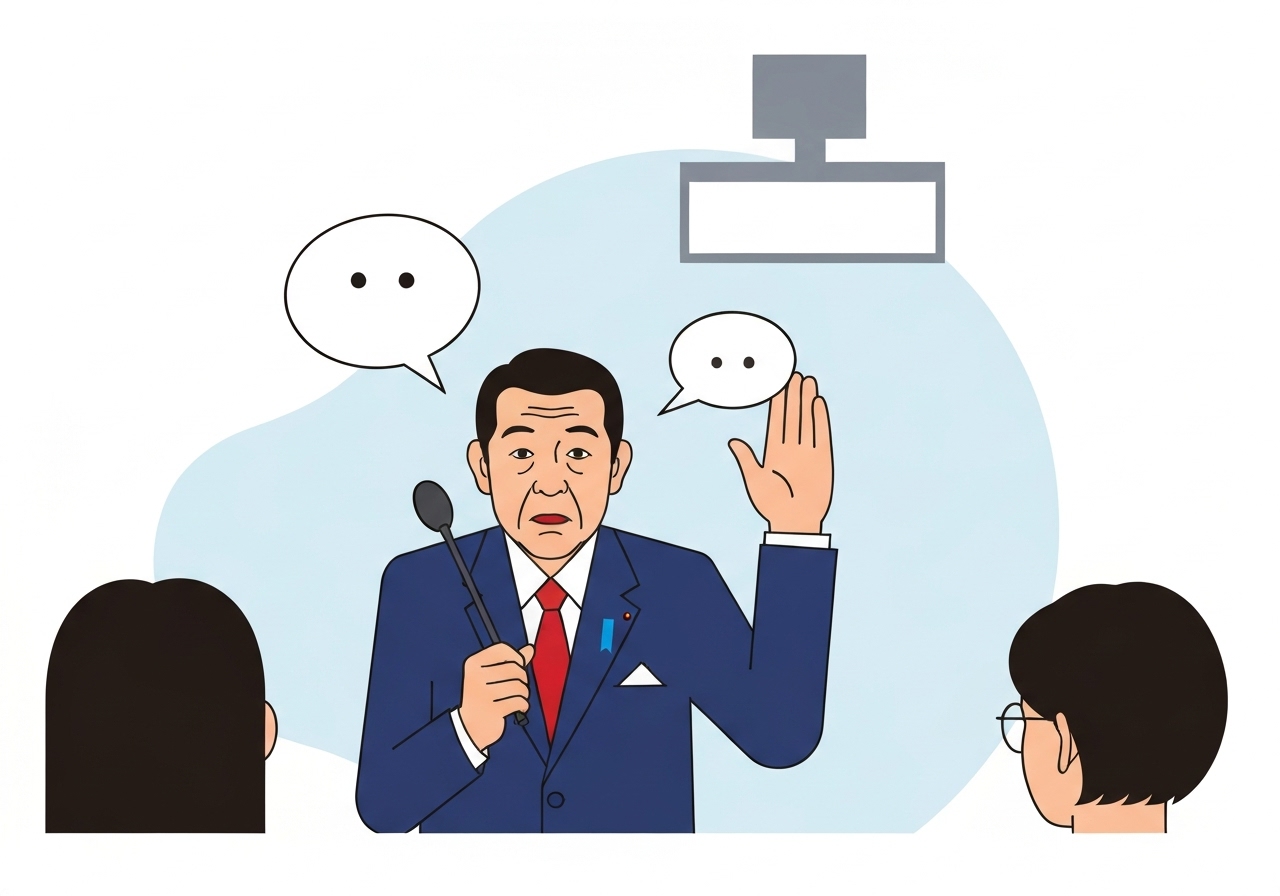
Japanese Prime Minister Shigeru Ishiba has decided to resign, NHK reported on Sept. 7, 2025, saying the move aims to prevent a split within the ruling Liberal Democratic Party after the LDP-led coalition lost its parliamentary majorities amid voter discontent over rising living costs.
Key Takeaways
- NHK reported on Sept. 7, 2025 that Prime Minister Shigeru Ishiba will resign to avoid an internal party split.
- The LDP-led coalition has lost its majority in both houses of parliament since taking office last year.
- A vote by LDP lawmakers on whether to hold an extraordinary leadership election is scheduled for Monday.
- The Prime Minister’s Office did not immediately respond to requests for comment when the reports emerged.
- Ishiba’s government finalized details of a trade deal with the United States last week.
Verified Facts
Public broadcaster NHK reported on Sept. 7, 2025 that Ishiba had decided to step down to preserve party unity. Multiple outlets, citing NHK and party sources, relayed the same account; Reuters distributed the initial wire report.
Since taking office in 2024, the LDP-led coalition has lost its majority in both the lower and upper houses in successive elections. Observers and party members have linked those setbacks to public frustration over rising living costs and economic concerns.
LDP lawmakers are scheduled to vote on Monday on whether to trigger an extraordinary leadership election. If the party authorizes such a contest, the LDP would set a timetable for choosing a new leader, who would then be positioned to form the next government.
The Prime Minister’s Office did not immediately respond to a request for comment when NHK’s report circulated. Separately, officials said Ishiba’s administration finalized the details of a trade agreement with the United States last week, a process completed shortly before the resignation report.
Context & Impact
Ishiba took office in 2024, inheriting a fragile coalition and facing public pressure over inflation and household costs. Losing parliamentary majorities in both chambers has weakened the LDP’s legislative agenda and intensified factional tensions within the party.
A leadership change in the LDP could alter Japan’s domestic and foreign policy direction, including economic measures aimed at easing living costs and the recently negotiated US trade arrangements. The pace and outcome of the internal party vote will shape the near-term policy calendar.
- Short-term: A caretaker or interim leadership could limit major policy shifts while the LDP organizes an election.
- Medium-term: A new LDP leader may reposition fiscal or social policies to regain voter confidence ahead of future elections.
Official Statements
NHK reported Ishiba chose to resign to avert a split within the party.
NHK (public broadcaster)
The Prime Minister’s Office did not immediately respond to requests for comment.
Prime Minister’s Office
Unconfirmed
- Exact timing and candidate lineup for any leadership contest remain unconfirmed pending the Monday vote of LDP lawmakers.
- Any internal deals or concessions that led to Ishiba’s decision have not been publicly detailed.
Bottom Line
If confirmed, Ishiba’s resignation would trigger a rapid period of internal decision-making within the LDP and could reshape Japan’s immediate policy priorities. Lawmakers’ vote on Monday will determine whether an extraordinary leadership election moves forward and set the timetable for selecting his successor.