
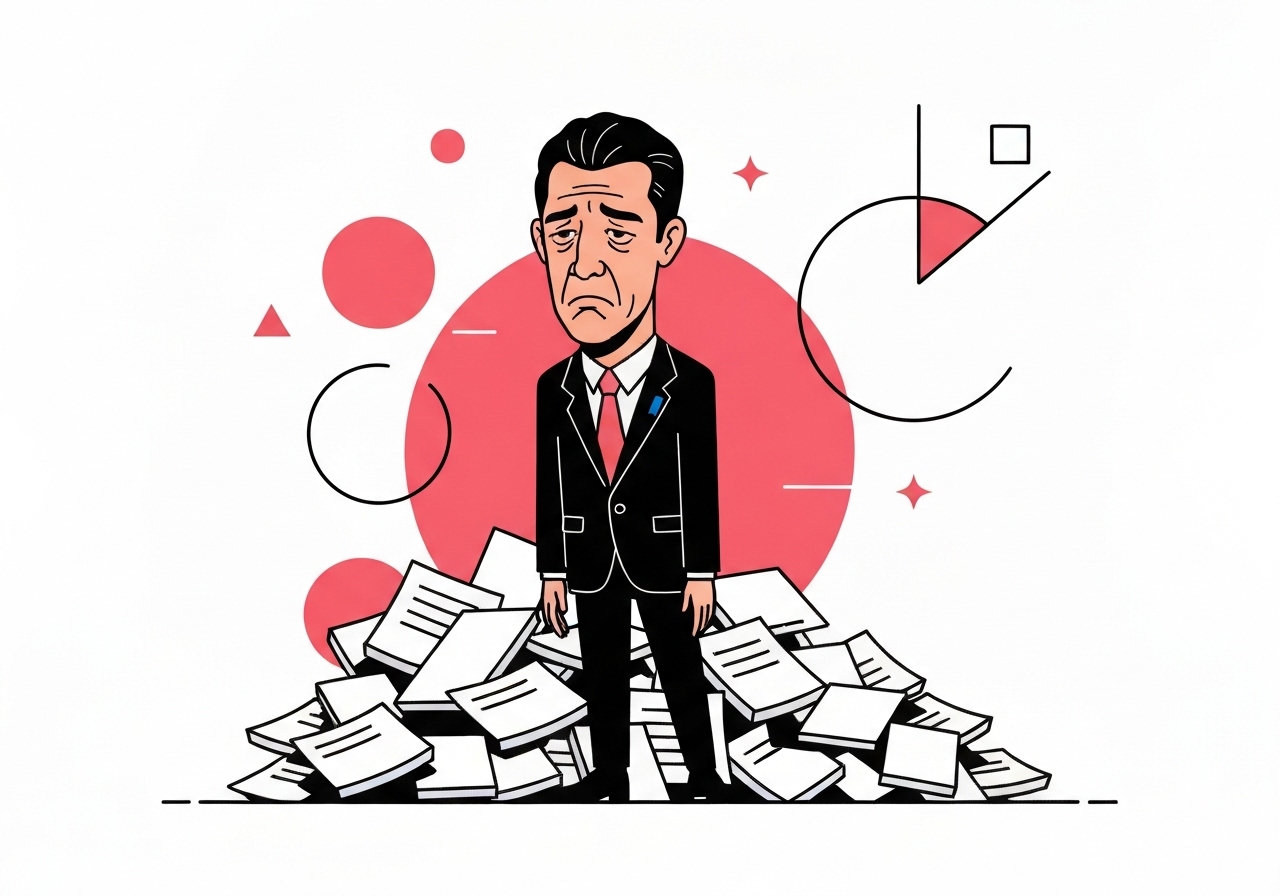
Lead: On September 7, 2025, Prime Minister Shigeru Ishiba, 68, announced he will resign and has asked the Liberal Democratic Party to hold an emergency leadership contest after a string of recent electoral defeats that cost the ruling coalition its majorities in both parliamentary houses.
Key Takeaways
- Ishiba announced his resignation on September 7, 2025, and will remain in office until a successor is chosen.
- The LDP lost majorities in both Diet chambers following voter anger over rising living costs and July’s upper house results.
- Ishiba finalized a trade deal with the United States this week, under which Japan pledged $550 billion in investments for lower tariffs.
- Markets reacted to the political uncertainty with yen weakness and a sell-off in government bonds; the 30-year yield hit a record high last week.
- Potential LDP successors include Sanae Takaichi and Shinjiro Koizumi, with differing economic stances that could affect fiscal and monetary policy.
- The LDP lacks a majority in either chamber, so the next party leader is not automatically guaranteed the premiership.
- Public polling (Kyodo) showed around 55% of respondents opposed holding an early general election.
Verified Facts
Shigeru Ishiba told reporters he would call an extraordinary leadership election within the Liberal Democratic Party and continue as prime minister until the party elects a replacement. He became party leader and prime minister less than a year ago.
Since Ishiba took office, the ruling coalition lost seats in both lower- and upper-house contests. The most recent defeat in July deprived the coalition of a majority in the upper chamber and followed widespread voter frustration over higher living costs.
This week Ishiba completed negotiations on a trade arrangement with the United States. Under the agreement, Japan committed to $550 billion in investments in exchange for reduced U.S. tariffs; U.S. President Donald Trump signed an executive order related to the deal, according to government statements.
Financial markets priced in the political uncertainty: the yen weakened against major currencies and Japan’s government bond market saw yields climb, including a record high for the 30-year maturity reported last Wednesday.
Context & Impact
Domestically, the LDP’s weakened standing complicates governance. Without clear control in either Diet chamber, the party faces obstacles passing legislation, approving budgets, or securing policy continuity.
Policy direction will hinge on the next party leader. Sanae Takaichi is associated with more expansionary fiscal measures and a cautious stance toward aggressive interest-rate rises, while Shinjiro Koizumi is viewed as less likely to pursue sharp policy shifts. Markets will closely watch any leadership outcome for clues about future fiscal-monetary coordination.
Economically, the new trade deal provides companies with tariff relief but also ties into sensitive political debates about investment commitments and sectoral protections — notably for Japan’s automotive industry, which has faced disruption from U.S. tariff policy.
Politically, gains by the far-right Sanseito in July have shifted more extreme, anti-immigration ideas into mainstream debate, increasing the risk of polarized policymaking and complicating coalition-building across the Diet.
“With Japan having signed the trade agreement and the president having signed the executive order, we have passed a key hurdle. I would like to pass the baton to the next generation.”
Prime Minister Shigeru Ishiba
Unconfirmed
- Whether the new LDP president will immediately call a snap general election to seek a fresh mandate.
- The precise short-term market impact if the party elects a leader with markedly different fiscal or monetary views.
- Detailed terms and implementation timeline for all elements of the $550 billion investment commitments tied to the U.S. tariff concessions.
Bottom Line
Ishiba’s resignation sets up a politically uncertain period for Japan at a delicate economic moment. The leadership contest could reshape fiscal and monetary policy direction and will be watched closely by markets and businesses, especially as the newly signed U.S.-Japan trade deal is implemented.