
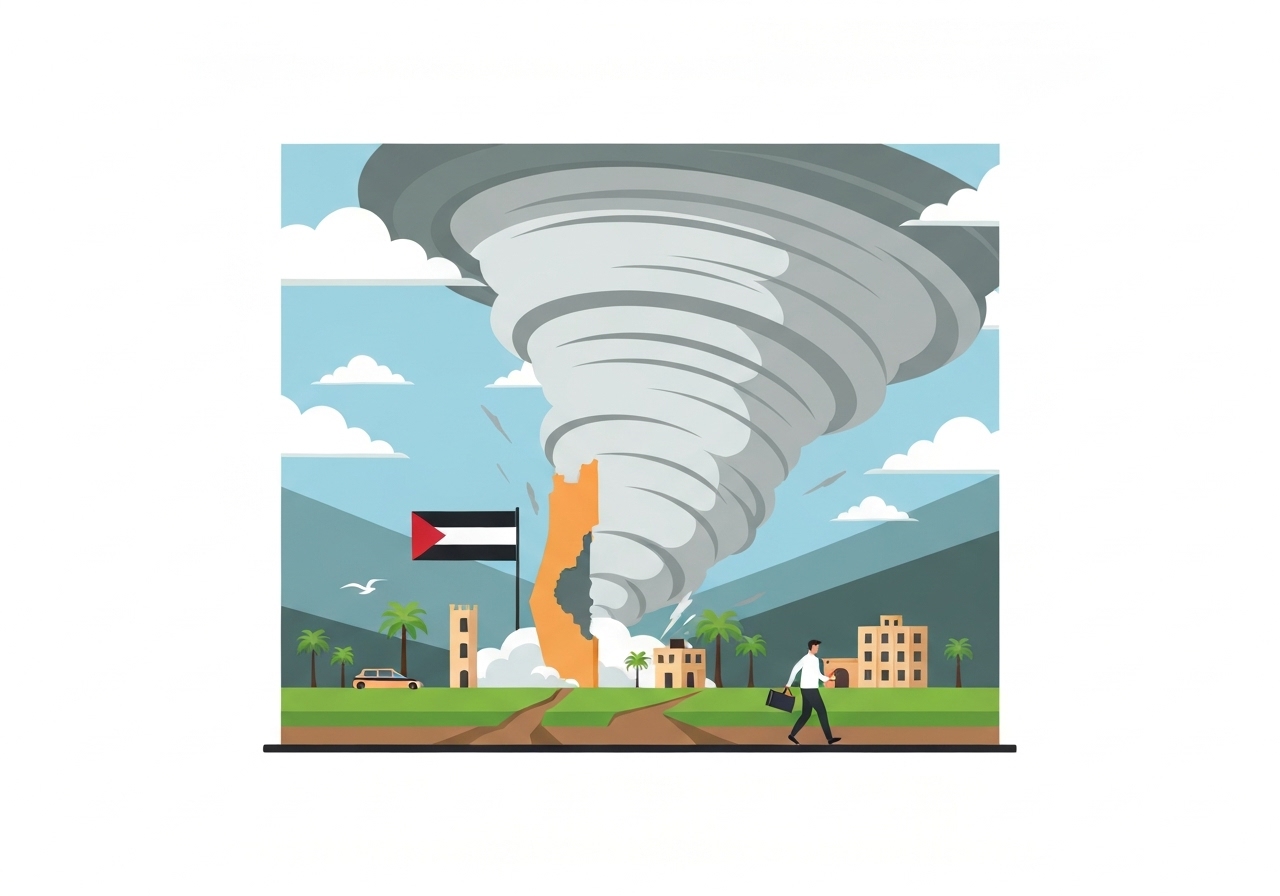
On Sept. 8, 2025, Israeli leaders announced an imminent surge of airstrikes on Gaza, saying the operation is a final warning intended to compel Hamas to release remaining hostages and accept surrender terms. Israeli Defence Minister Israel Katz framed the escalation as a “mighty hurricane” aimed at destroying Hamas’ capacity if fighters do not comply. Residents and medics in Gaza reported heavy bombing in Gaza City and dozens of civilian casualties; Israeli authorities said the strikes targeted militants and intelligence infrastructure. The announcement came as international mediators circulated a U.S. proposal for a ceasefire tied to the return of hostages.
Key Takeaways
- Israel declared a stepped-up campaign on Sept. 8, 2025, warning Gaza City would be hit hard unless Hamas surrenders and frees all hostages.
- Israeli forces struck a 12-floor residential block in Gaza City that hosted displaced families; the IDF said militants had used the site for intelligence activities.
- At least 40 Palestinians were reported killed across Gaza on Sept. 8, including 25 in Gaza City; medics identified one of the dead as journalist Osama Balousha.
- According to senior Israeli sources, a U.S. proposal seeks the return of 48 remaining hostages (alive and dead) on day one of a ceasefire to enable broader negotiations.
- Gaza’s confirmed death toll in the war stands at more than 64,000, and Palestinian authorities report nearly 250 journalists killed since 2023.
- Humanitarian indicators remain severe: at least 393 deaths from malnutrition and starvation have been reported, with recent increases in child fatalities.
- Hamas has said it will release hostages only upon a clear announcement of war’s end and Israeli withdrawal; Israeli officials continue to demand unconditional release and surrender.
Background
The current phase of fighting traces back to a cross-border attack by Hamas-led fighters in 2023 that killed roughly 1,200 people in Israel and led to more than 250 people being taken hostage to Gaza. Subsequent ceasefires in late 2023 and across 2025 saw many hostages released, but a residual group—reported as 48 people by Israeli officials—remains a core bargaining issue. Israel has made unconditional return of all hostages a precondition for formal negotiations.
Gaza has been subjected to sustained Israeli military operations that have flattened large sections of the territory and concentrated civilians in damaged urban areas. The enclave’s health and humanitarian systems have struggled under blockade, reduced supplies, and repeated infrastructure damage, producing high civilian mortality and acute food insecurity. International actors have periodically proposed truce frameworks tying hostage returns to ceasefires and phased withdrawals, but those efforts have repeatedly stalled.
Main Event
On Sept. 8 Israel’s leadership signaled a tactical and rhetorical escalation. Defence Minister Israel Katz posted a threat of overwhelming strikes and framed the move as a “final warning” to Hamas fighters and leaders. Israeli military statements said aircraft struck multiple districts of Gaza City and that decommissioned armored vehicles laden with explosives were detonated to clear or deny militant positions—actions residents said destroyed clusters of homes in Sheikh Radwan, Zeitoun and Tuffah.
The IDF announced a strike on a 12-floor apartment block housing displaced families, asserting that militants had used the building for intelligence gathering and operations. Israeli warnings to evacuate the area preceded the strike by a few hours, according to the military. Gaza medics reported scores of casualties from that day’s operations, including the killing of journalist Osama Balousha in Gaza City.
Diplomatic signaling intensified at the same time. U.S. mediators circulated a proposal—described by an Israeli official as calling for the return of all 48 remaining hostages on day one of a ceasefire—followed by negotiations on ending the war. President Donald Trump characterized the U.S. offer as Hamas’ “last chance.” Hamas responded that it would consider the proposal but reiterated it would only release hostages in exchange for a clear end-of-war declaration and Israeli withdrawal.
Analysis & Implications
The declared escalation reflects both tactical objectives and political signaling. Militarily, intensified strikes are intended to degrade Hamas’ command-and-control and impose costs that might compel a rapid political settlement. Politically, Israeli threats aim to consolidate domestic support for decisive action while pressing international mediators to prioritize unconditional hostage return.
Humanitarian and diplomatic consequences are substantial. Further strikes in densely populated Gaza City risk high civilian casualties and additional displacement, complicating aid delivery amid existing blockade measures. International criticism and pressure on Israel to protect civilians are likely to rise, while humanitarian actors warn of wider regional spillover if large-scale urban destruction continues.
For Hamas, holding hostages remains a principal leverage point. Accepting a U.S.-brokered proposal that demands immediate return of all hostages would represent a major strategic concession; Hamas’ public stance—that releases require a declared end to hostilities and withdrawal—suggests its leaders will weigh internal cohesion, Palestinian political objectives, and survival calculus before agreeing to terms.
Comparison & Data
| Metric | Reported figure | Source note |
|---|---|---|
| Civilian deaths in Gaza (confirmed) | More than 64,000 | Gaza health authorities |
| Journalists killed in Gaza | Nearly 250 | Palestinian authorities |
| Hostages taken in 2023 attack | More than 250 | Israeli official counts |
| Remaining hostages (reported) | 48 (alive and dead) | Senior Israeli official |
| Reported deaths from starvation/malnutrition | At least 393 | Gaza health ministry |
These figures illustrate the scale and human cost of the conflict to date. They also explain why any renewed offensive in urban Gaza draws intense international scrutiny: high casualty numbers and attacks on densely populated neighborhoods amplify diplomatic pressure and complicate post-conflict reconstruction and accountability debates.
Reactions & Quotes
Israeli officials framed the operation as necessary pressure to end hostage-taking and dismantle militant infrastructure. International actors expressed concern about civilian harm and called for urgent humanitarian access.
“A mighty hurricane will hit the skies of Gaza City today…Release the hostages and lay down your weapons — or Gaza will be destroyed.”
Israel Katz, Israeli Defence Minister (social post)
Context: Katz’s statement was issued as part of a public campaign of warnings intended to force Hamas into compliance; Israeli leadership described the rhetoric as aimed at both militants and political leaders abroad perceived as supporting Hamas.
“We are studying the U.S. proposal and will consider its implications for the hostages and our people.”
Hamas statement (public)
Context: Hamas reiterated it seeks a firm guarantee of an end to hostilities and Israeli withdrawal before committing to full releases, framing any acceptance as contingent on political outcomes.
“The humanitarian toll is dramatic; civilians and journalists continue to die and aid must reach those in need.”
Gaza health officials / humanitarian sources
Context: Health ministry data and NGO reports have been central to international appeals for ceasefires and expanded aid corridors; the ministry has repeatedly documented civilian and malnutrition deaths.
Unconfirmed
- Whether Hamas will accept the specific U.S. proposal as presented remains unresolved; officials from both sides described the plan differently and talks were ongoing.
- Claims that Israel deliberately targeted journalists have been made by Palestinian officials; Israel denies these allegations and independent verification is limited due to restricted access.
- The precise location and condition of all 48 hostages reported by Israeli officials have not been independently verified by international monitors.
Bottom Line
The Sept. 8 announcement marks a clear intensification of Israeli pressure on Gaza and on Hamas’ bargaining position, centered on the immediate return of hostages and demands for surrender. The proposed U.S. framework linking day-one hostage returns to negotiations could provide a pathway to a ceasefire, but acceptance would require Hamas to concede significant leverage—an outcome the group has signalled it is wary of.
Humanitarian conditions and high civilian casualty figures mean any escalation will likely provoke wider international scrutiny and complicate post-conflict recovery. Observers should watch whether the U.S. proposal narrows the gap between the parties or hardens positions, and whether the intensification of strikes changes Hamas’ calculus or instead deepens entrenchment and civilian suffering.