
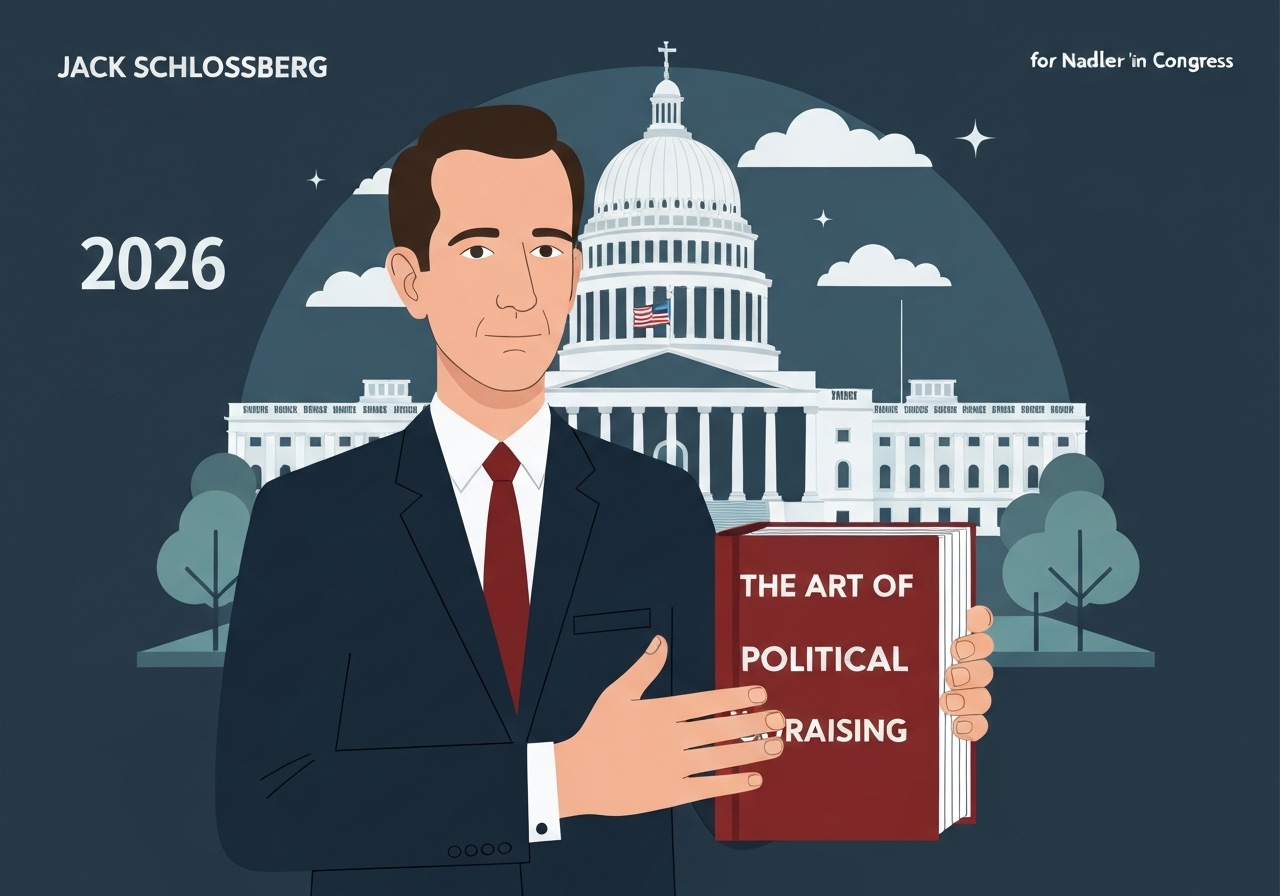
Lead: On Nov. 12, 2025, Jack Schlossberg, the 32-year-old grandson of President John F. Kennedy, declared he will run for New York’s 12th Congressional District in the 2026 elections. Schlossberg announced his campaign after Rep. Jerry Nadler said in September he would not seek reelection for the seat. He framed his bid as a response to Republican economic proposals tied to President Donald Trump, arguing those plans have worsened the cost-of-living pressures on working families. Schlossberg also highlighted his national Democratic activity, saying party control of the House is central to addressing those challenges.
Key Takeaways
- Jack Schlossberg, aged 32, entered the 2026 race for New York’s 12th Congressional District on Nov. 12, 2025, following Rep. Jerry Nadler’s September decision not to run.
- Schlossberg positioned his campaign against Republican economic proposals linked to President Trump, citing a rising cost-of-living crisis and cuts to social programs such as health care, education and child care.
- He emphasized the strategic importance of Democrats reclaiming control of the U.S. House, saying it is necessary to counter what he described as a Republican agenda that would shrink social supports.
- Schlossberg is a Yale and Harvard alumnus and has served publicly as a surrogate for President Joe Biden and Vice President Kamala Harris, including speaking at the most recent Democratic National Convention.
- The open-seat contest in NY-12 follows a high-profile departure by a long-serving incumbent, creating an immediately competitive Democratic primary and general-election landscape in a district with a history of Democratic representation.
Background
The 12th Congressional District in New York has been represented by Rep. Jerry Nadler for several terms until his September 2025 announcement that he would not seek reelection, leaving an open contest for 2026. Open seats in safely Democratic urban districts commonly draw multiple high-profile candidates, and any entry with national name recognition can reshape the primary dynamics. Schlossberg’s family legacy—he is the grandson of President John F. Kennedy—adds national attention to what would otherwise be a local congressional contest.
Schlossberg has cultivated a public profile through academic credentials and national Democratic engagement. He attended Yale and Harvard and has spoken across the country as a party surrogate, including appearances at the Democratic National Convention and events for President Biden and Vice President Harris. His announcement ties that national exposure to a local bid, framing it as part of a larger effort to reverse Republican policy priorities he says have harmed working families.
Main Event
Schlossberg made his campaign public late on Tuesday, Nov. 12, 2025, using social media to outline his priorities and to criticize the Republican economic package linked to President Trump. He argued those proposals—referred to by opponents as the “Big Beautiful Bill”—would lead to substantial cuts in social programs and exacerbate the cost-of-living problems facing many households. The announcement came days after media coverage highlighted Nadler’s decision to step aside, opening a path for new Democratic contenders to enter the race.
In his initial messaging Schlossberg emphasized two themes: restoring economic security for working families and winning back control of the House of Representatives. He framed Democratic House control as essential to enacting policy solutions on health care, education and child care, and warned that without it Democrats would be limited in checking presidential priorities over the next term. Schlossberg’s campaign release also underscored his record of public speaking for senior Democratic leaders as evidence of his readiness for a national-stage campaign.
Schlossberg’s entry immediately raises questions about the 2026 Democratic primary in NY-12, including which local and regional powerbrokers will endorse candidates, how fundraising will play out, and whether his national profile will translate into localized political support across the district’s neighborhoods. Campaign infrastructure, volunteer networks and endorsements that traditionally matter in urban House races will be watched closely in the coming months.
Analysis & Implications
Schlossberg’s candidacy carries both political symbolism and practical consequences. Symbolically, a Kennedy running for Congress revives a lineage tied to American liberalism and national service, which can attract media attention, donors and donors but also raise scrutiny of whether family legacy will substitute for local political experience. Practically, his national name recognition could compress the early primary calendar by drawing endorsements and early fundraising, forcing other aspirants to accelerate their campaigns.
Policy-wise, Schlossberg is staking his campaign on economic messaging that contrasts Democratic priorities with Republican proposals at the federal level. His emphasis on health care, education and child care aligns with core Democratic constituencies in NY-12 and may help consolidate support among voters concerned about cost-of-living pressures. How voters weigh those priorities against candidates’ local ties, constituent service records and community relationships will be decisive.
Nationally, the race will be watched as a bellwether for how presidential-era rhetoric affects down-ballot Democratic strategy. Democrats view the House as pivotal for oversight and legislative agendas; a high-profile pickup or loss in a New York district will feed narratives about party strength heading into midterm-style contests. If Schlossberg secures the nomination, his campaign will become a test of whether national celebrity and connective tissue to the Democratic establishment can convert into effective grassroots campaigning in a diverse urban district.
Comparison & Data
| Event | Date |
|---|---|
| Jerry Nadler announces he will not seek reelection | September 2025 |
| Jack Schlossberg announces candidacy for NY-12 | November 12, 2025 |
| Schlossberg age | 32 |
The table above highlights the immediate timeline and facts relevant to the NY-12 open seat. While this contest follows a long period of Democratic representation, the departure of an incumbent like Nadler typically increases primary competitiveness and can alter fundraising flows. Observers will track registration, early polling, and endorsement patterns to project how the field will narrow.
Reactions & Quotes
Schlossberg used social media and a campaign release to explain his motives, placing national policy disagreements at the center of his argument for a congressional seat.
“We deserve better, and we can do better, and it starts with the Democratic Party winning back control of the House of Representatives.”
Jack Schlossberg (Instagram announcement)
“With control of Congress, there’s nothing we can’t do. Without it, we’re helpless to a third term.”
Jack Schlossberg (campaign statement)
Local and national Democrats are likely to evaluate Schlossberg’s viability based on his early fundraising, endorsements from community leaders and how effectively his messaging resonates with district voters concerned about housing, transit, and economic inequality. Republican strategists will monitor whether the open-seat dynamic gives them a narrow pathway, though NY-12’s recent history favors Democratic candidates.
Unconfirmed
- Whether Schlossberg will secure the Democratic nomination is not yet determined; early fundraising and endorsements will shape that trajectory.
- Interpretations of President Trump’s recent comments about a potential third term are evolving; media reports describe them as an apparent acknowledgment but legal and constitutional implications remain contested.
Bottom Line
Jack Schlossberg’s entry into the 2026 race for New York’s 12th District turns a high-profile family name into an immediate test of Democratic strategy in a newly open seat. His campaign message links national economic disputes to local concerns about cost of living and social support programs, a framing likely to attract both media attention and donor interest. The primary will quickly become a focal point for observers tracking whether national prominence can translate into local electoral strength.
In the coming months, watch for early endorsements, fundraising reports, and candidate field-building in NY-12. Those indicators will determine whether Schlossberg becomes the clear front-runner or one of several competitive contenders in a race that could have broader significance for control of the House in 2026.
Sources
- ABC News (U.S. national news) — original reporting on Schlossberg’s campaign announcement and related context.